Show summary Hide summary
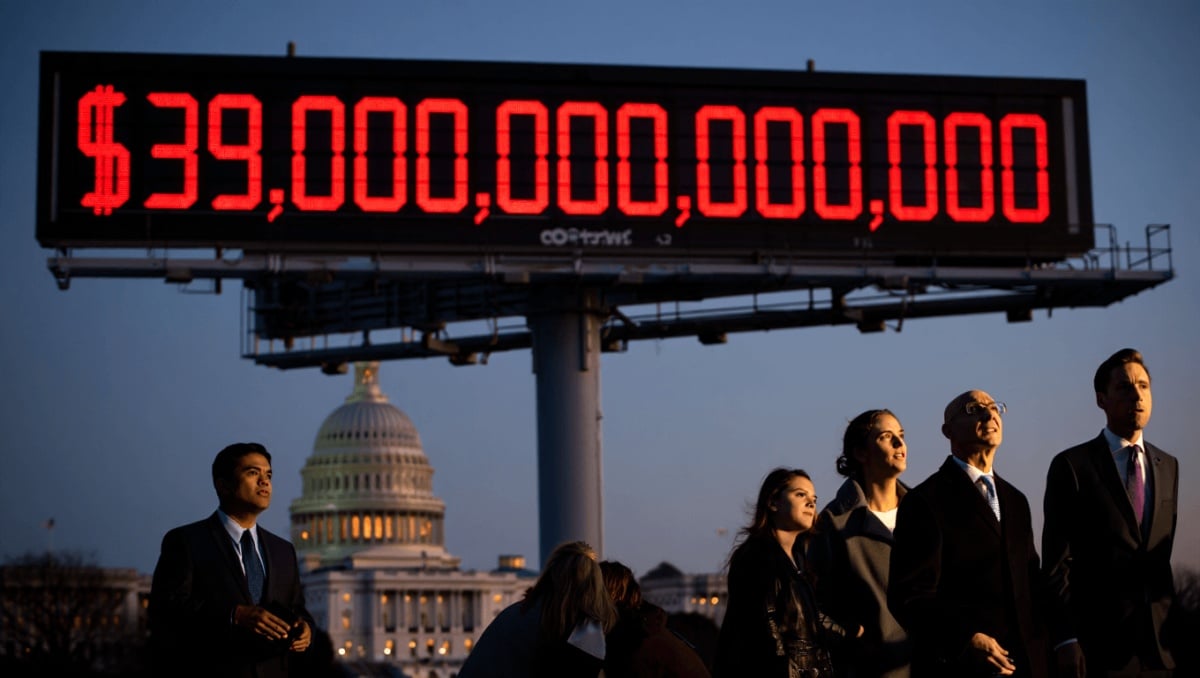
The United States is barreling toward a new fiscal milestone: the national debt is rising so quickly it could top $40 trillion before this year’s elections, with direct consequences for borrowing costs, government spending priorities and household finances. That trajectory is already reshaping policy debates in Washington and adding urgency to arguments on both sides of the aisle.
Federal auditors and budget experts warn that continued borrowing will filter down into everyday costs for Americans. A Government Accountability Office review highlights several immediate channels through which higher government debt affects households and businesses.
- Higher borrowing costs — greater federal borrowing tends to push up interest rates, which can translate into pricier mortgages, auto loans and credit.
- Lower business investment — firms face higher financing costs and may cut back on capital spending, which can slow productivity growth and wage gains.
- More expensive goods and services — taxing or borrowing to service the debt can raise costs across the economy over time.
- Tougher fiscal choices ahead — sustained deficits force future policymakers to choose among higher taxes, reduced programs or larger interest-payment burdens.
Michael Page dropped from UFC rankings despite victory: what it means for his career
Viral video shows 81-year-old delivery worker struggling with heavy luggage
Those pressures are reflected in recent numbers. The national debt climbed past $37 trillion, then $38 trillion within months, and Treasury and budget analysts warn the pace could put the ledger above $40 trillion well before November.
Policy fights and unplanned events are part of the story. Long-term borrowing rose under both Republican and Democratic administrations, driven in recent years by military operations, pandemic-related aid and large tax cuts. White House economic adviser Kevin Hassett told reporters the conflict in the Middle East has already cost the U.S. more than $12 billion — a figure that could increase as the situation continues.
Where the current budget stands
Using the latest Treasury data, government spending in fiscal 2025 reached about $7.01 trillion while revenue totaled roughly $5.23 trillion, producing a deficit near $1.78 trillion — modestly smaller than the previous year by about $41 billion.
The White House has pointed to that reduction as evidence the fiscal picture is improving. A White House spokesman credited higher individual tax receipts, a push to pare federal headcount to its lowest level since the 1960s, and stepped-up efforts to reduce improper benefit payments as contributors to the decline.
But analysts caution that a one-year dip in the deficit does not change the longer-term trend: interest costs grow as debt accumulates, and without a durable plan to slow borrowing the fiscal burden will shift to future taxpayers.
Political and practical stakes
For voters, the implications are concrete. Higher government borrowing can mean higher mortgage payments and reduced public investment in areas like infrastructure and education if lawmakers choose spending cuts. It also narrows the room for emergency response when crises arise.
For policymakers, the arithmetic is stark: manage the climb through tax changes, spending reforms or a combination of both, or accept larger interest payments that crowd out other priorities. Those tradeoffs are poised to become central in the campaign season as parties present competing plans to address the shortfall.
Ultimately, the debate now is less about whether the debt matters and more about which mix of policies elected officials will endorse to slow its growth — and how quickly they move to implement them.