Show summary Hide summary
As fighting around Iran disrupts crude shipments through the Strait of Hormuz, U.S. households are already feeling the squeeze at the pump and on electricity bills. The crisis highlights a deeper vulnerability: current U.S. policy that prioritizes oil and gas while slowing new clean-energy projects leaves fewer alternatives when global supplies tighten.
Crude prices have climbed past $100 per barrel and the national average for regular gasoline recently hovered near $3.84 a gallon, according to AAA, reversing gains touted by the White House weeks earlier. Analysts say those moves are the immediate cost of a geopolitical shock to markets that still rely heavily on fossil fuels.
“In the near term, consumers are the ones paying,” said Peter Gleick, a climate scientist and co-founder of the Pacific Institute, noting that households and businesses face higher energy bills as oil and gas prices jump. Tyson Slocum of consumer advocacy group Public Citizen adds that dependence on hydrocarbon supplies brings predictable exposure to these kinds of disruptions — one the current administration has not fully addressed.
Michael Page dropped from UFC rankings despite victory: what it means for his career
Viral video shows 81-year-old delivery worker struggling with heavy luggage
Immediate consumer pain
Drivers already see the fallout at service stations, while utilities report upward pressure on power costs as demand rises. Factors behind higher electricity bills include expanding data-center loads in some regions and a smaller pipeline of new cleaner generation because of stalled permitting and funding.
- Higher gasoline prices: Commuters and freight operators face larger weekly fuel bills as world oil markets wobble.
- Rising electricity costs: Retail electricity rates are being pushed up by both increased demand and constrained supply of new generation.
- Political consequences: With affordability a top voter concern, escalating energy prices could shape public sentiment ahead of elections.
- Market volatility: Oil markets remain sensitive to further escalation in the region, keeping prices elevated and uncertain.
Republican senators from swing states have publicly warned that gasoline spikes feed into broader affordability concerns. That political pressure is complicating an already tense policy environment.
Policy choices and energy mix
The White House has prioritized expanded oil and gas production since taking office, rolling back several Obama-Biden era climate rules and directing tax incentives and faster permitting to fossil-fuel projects. At the same time, many proposed wind and solar developments have been delayed or downsized, and some federal grants aimed at accelerating clean energy were rescinded.
Critics argue that reducing the pace of clean-energy deployment diminishes the economy’s resilience to supply shocks. Advocates for renewables point out that sun and wind are not subject to maritime chokepoints or embargoes, a point underscored by U.N. Secretary-General António Guterres, who urged a faster transition away from fossil fuels in light of the crisis.
Jason Bordoff, an energy-policy expert at Columbia University, says the current posture reflects a belief that the U.S. can rely on abundant domestic production rather than invest in alternatives — a strategy that limits options when international flows are disrupted.
What officials are doing
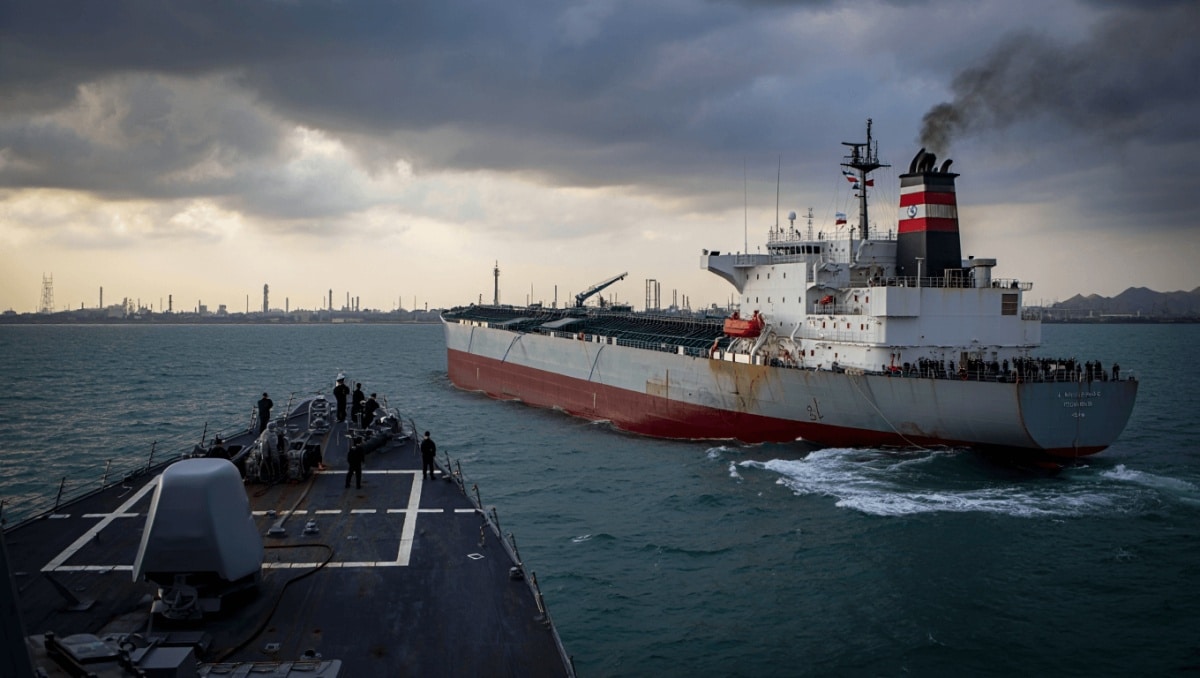
To blunt price pressures, the administration has tapped the Strategic Petroleum Reserve and temporarily eased restrictions on certain foreign cargoes already at sea. Officials are also exploring naval escorts through the waterway and seeking international partners to secure tanker routes.
Yet those measures have not brought prices back down. Gregory Brew, an analyst at the Eurasia Group, described the episode as one of the most significant interruptions to oil supply in recent memory and warned energy costs may stay elevated while the situation unfolds.
Energy Secretary Chris Wright acknowledged the likelihood of sustained price pressure in the coming weeks but framed military and diplomatic action as aimed at reducing long‑term risk, saying any short-term pain is intended to produce a more stable outcome later.
Longer-term implications
Beyond immediate relief steps, the current crisis focuses attention on trade-offs in U.S. energy strategy. Continued emphasis on fossil fuels may deliver short-term production gains, but it keeps the economy tethered to geopolitical flashpoints. Conversely, accelerating deployment of renewable energy and grid upgrades could lower exposure to such bottlenecks over time — though those shifts require sustained policy support and investment.
For now, consumers, companies and policymakers face a period of heightened uncertainty. How long prices remain elevated will depend on developments in the region, the size and timing of reserve releases, and whether a broader coalition can be assembled to keep shipping lanes open.
As voters watch pump and utility bills climb, the debate over energy strategy — immediate supply measures versus long-term transition — is likely to intensify in the weeks ahead.