Show summary Hide summary
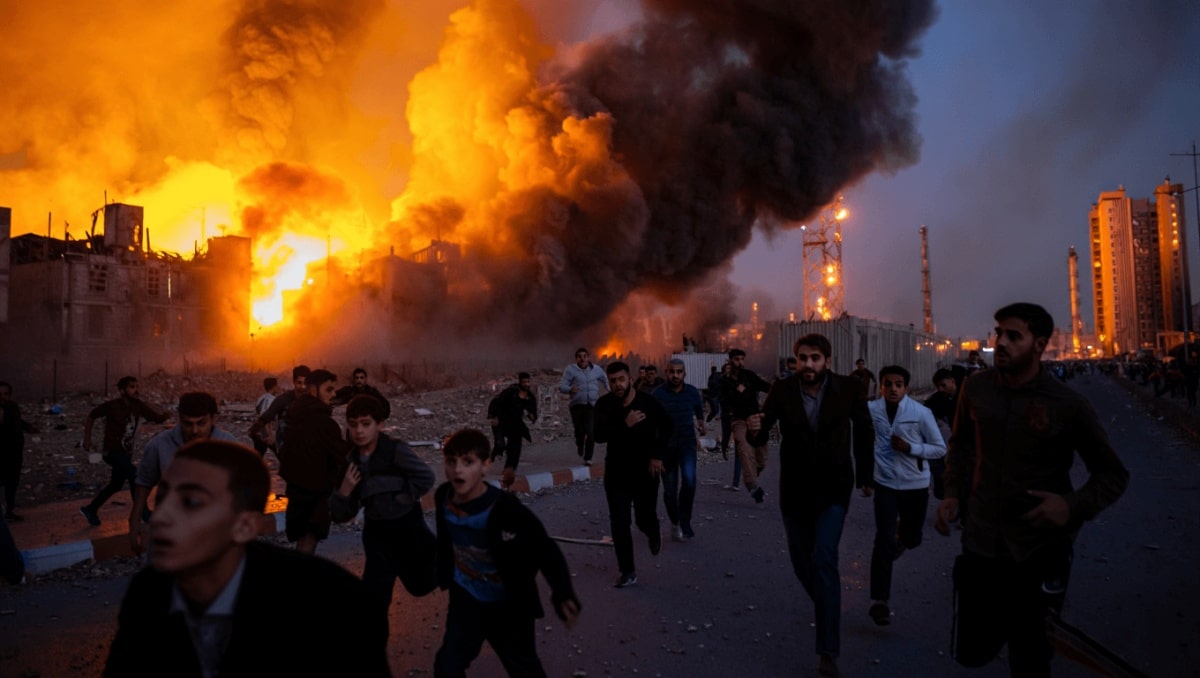
Explosions rattled parts of the Gulf overnight as a new wave of strikes — including reports of impacts near Iran’s capital and intercepted fire over Dubai during Eid al-Fitr prayers — deepened concerns about a wider disruption to energy supplies and regional stability. The latest attacks follow Israel’s pledge to pause operations against a major Iranian gas field after U.S. intervention, but retaliatory strikes on oil and gas infrastructure continue to escalate.
Flares of violence across the Gulf
Residents in and around Tehran reported hearing blasts and air-raid activity, while Dubai’s air defenses engaged incoming ordnance early Friday as worshippers gathered for the holiday. In Israel, air-raid sirens sounded from Haifa through the Galilee to the Lebanon border as the country faced another day of missile and drone warning alerts.
Michael Page dropped from UFC rankings despite victory: what it means for his career
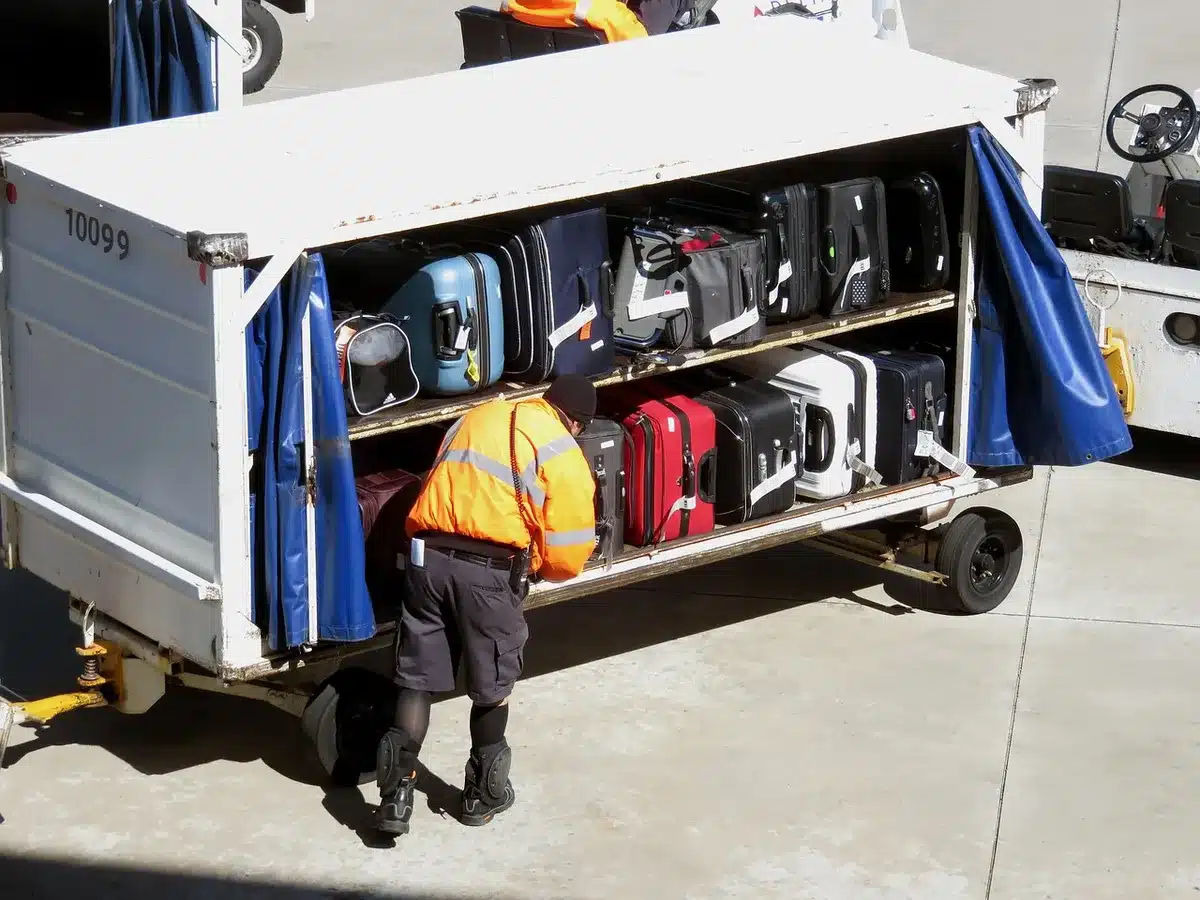
Viral video shows 81-year-old delivery worker struggling with heavy luggage
Officials say Iran has maintained a campaign of strikes against targets tied to Israel and Gulf energy facilities, a response to Israeli operations that included an attack on the offshore South Pars gas field. Leaders in the region warn that continuing exchanges could further squeeze global fuel markets and complicate efforts to re-route shipments away from contested sea lanes.
Energy and shipping under strain
Global markets have reacted to the attacks. International crude benchmarks jumped — with Brent crude spiking sharply during trading — while European natural gas prices climbed as outages and damage reduced capacity at key facilities.
| Sector | Reported impact |
|---|---|
| Natural gas (Qatar) | Damage at Ras Laffan LNG site; exports down about 17% and estimated long-term revenue losses |
| Oil infrastructure | Refineries and pipelines in Saudi Arabia, Kuwait and the UAE reported strikes or damage |
| Maritime traffic | Vessels attacked or set ablaze near UAE and Qatar; pressure on routes bypassing the Strait |
| Strategic chokepoint | Strait of Hormuz disruptions threaten a substantial share of world oil flows |
Qatar described the damage to its LNG export hub as extensive, with officials estimating repairs could take years and inflict significant revenue losses. Saudi operators have also reported strikes on facilities along the Red Sea coast — undercutting a contingency route meant to avoid the Hormuz bottleneck.
Diplomacy, military moves and public statements
Leaders are juggling pressure at home and abroad. Israel’s prime minister told foreign media that, at the request of the U.S. president, Israeli forces would refrain from further strikes on the shared offshore gas field — a decision framed as de-escalatory but immediately followed by new Iranian counterattacks on Gulf energy sites.
Washington has signaled a robust military posture in the region while denying plans for a U.S. ground invasion. U.S. military officials stated that strikes and patrols have pushed deeper into Iranian maritime approaches and targeted storage sites, but declined to offer detailed battlefield assessments.
The U.N. Security Council convened behind closed doors after Gulf states warned members that attacks on their infrastructure must stop. Diplomats from the region pressed for immediate action to protect civilian shipping and energy assets.
Security measures and arrests
The United Arab Emirates announced the disruption of what it called a financing and operational cell linked to Lebanon’s Hezbollah and Iran, saying suspects were arrested for allegedly using commercial fronts to carry out destabilizing activities. The UAE released images of the detained men but offered limited public detail on legal proceedings.
Human cost and displacement
The conflict has inflicted mounting human tolls across multiple countries. Official tallies from different governments and militaries indicate thousands killed and many more displaced, including large internal displacements in Lebanon after strikes on Hezbollah positions. Casualties reported among U.S. service members and civilians in contested areas have also added to international concern.
- Iran: Government sources report over a thousand deaths since the campaign began.
- Lebanon: Mass displacement reported after strikes; local authorities cite heavy civilian loss of life.
- Israel and occupied territories: Dozens of fatalities reported from incoming missile fire.
- U.S. forces: Several military personnel reported killed in operations tied to the conflict.
Beyond the immediate loss of life, analysts warn that prolonged damage to energy infrastructure could reverberate for months, raising prices and straining national budgets across the region and beyond.
Why this matters now
The combination of strikes on energy hubs, continuing hostilities near major shipping lanes, and competing diplomatic signals means markets and governments face heightened uncertainty. Any further escalation could quickly translate into wider supply disruptions, higher global energy costs, and a deeper diplomatic crisis that would complicate efforts to protect civilian populations and trade routes.
For readers: expect continued volatility in energy markets, potential travel or shipping advisories in the region, and intensified diplomatic activity in coming days as international actors press for de-escalation while military operations continue.