Show summary Hide summary
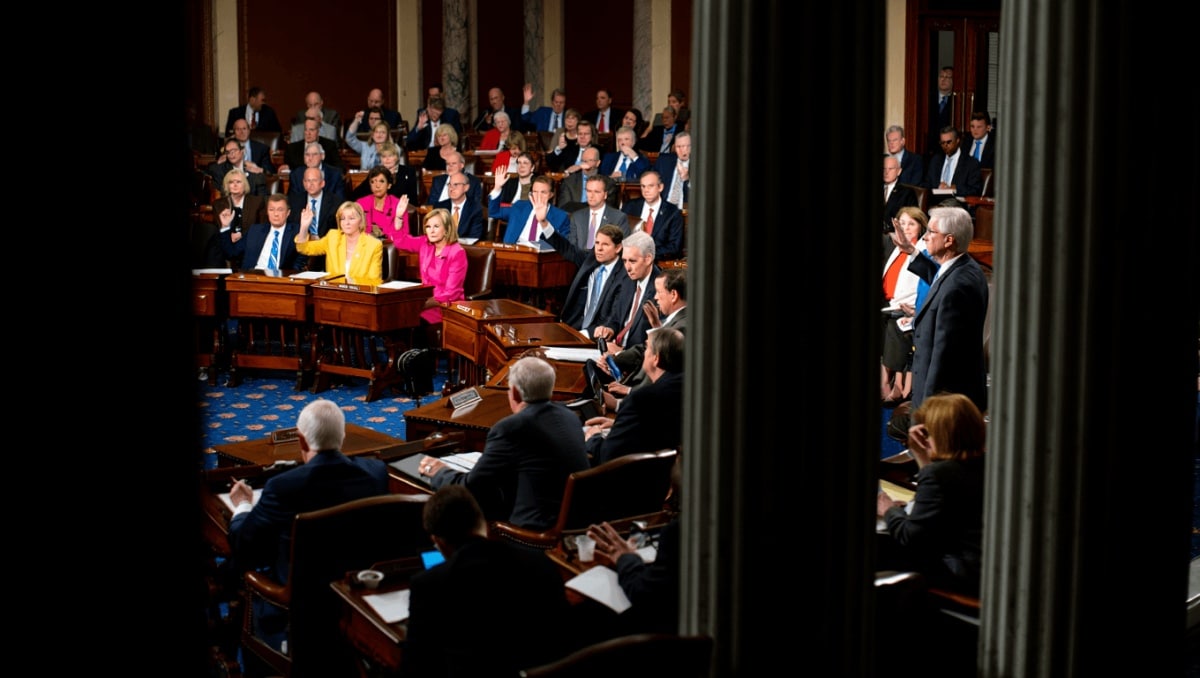
The Senate on Thursday approved a sweeping housing package by an 89-10 margin that aims to loosen construction rules, steer more federal dollars into affordable units and curb large corporate ownership of single-family homes. The bill now returns to the House amid uncertainty over whether lawmakers — or the White House — will accept the Senate’s version before the midterm elections.
What the Senate approved
Backed by bipartisan negotiators, including Massachusetts Senator Elizabeth Warren and South Carolina Senator Tim Scott, the measure blends regulatory relief with new financing tools intended to jump-start homebuilding and preserve rental stock.
Michael Page dropped from UFC rankings despite victory: what it means for his career
Viral video shows 81-year-old delivery worker struggling with heavy luggage
- Streamlines some environmental and inspection requirements to accelerate permitting.
- Expands local governments’ authority to tailor housing solutions to regional needs.
- Allows banks greater participation in financing affordable housing projects.
- Raises the cap on public housing units eligible for private rehabilitation via Section 8 funding.
- Removes a permanent-chassis requirement for some manufactured housing, lowering costs for modular units.
- Bars large institutional landlords — those owning 350 or more single-family homes — from acquiring additional single-family properties under the new law, with sales required to individual buyers after seven years.
Immediate political hurdles
Despite wide Senate support, the path to enactment is not straightforward. House leaders have signaled reservations about the Senate text and hinted at launching a formal conference to reconcile differences — a step that could stretch negotiations into months.
Complicating the timeline, the White House has linked its willingness to sign new laws to Congress passing separate voting-related measures, including a proposal that would require proof of citizenship for voter registration and curtail most mail-in ballots. That proposal is opposed by Senate Democrats and faces slim odds.
Senate leaders urged a quicker route: move the Senate bill to the House for a vote. But House Republicans say they want to address concerns raised by members before final passage.
How the measure could affect buyers and renters
Proponents argue the package tackles two long-running problems: a persistent shortfall in housing supply and rising costs that outpace incomes. By giving towns and cities more flexibility and loosening some federal review timelines, advocates say new units could come online faster — from starter homes to senior housing.
Yet the investor restrictions are controversial. Supporters say limiting corporate purchases will free up inventory for individual buyers and slow speculative pricing. Critics warn the opposite: removing large investors from buying or holding single-family homes could shrink the supply of professionally managed rentals and push rents higher in some markets.
The ban targets only firms that own at least 350 single-family houses and exempts properties already owned before the law takes effect. Firms would be able to operate rental units for up to seven years before selling to individuals.
Stakes for local communities
Smaller cities and rural areas, where housing markets vary widely, stand to gain from provisions that let local officials craft solutions rather than follow one-size-fits-all federal rules. Developers who build modular or manufactured homes could see lower costs if new rules remove placement constraints, potentially speeding housing into underserved regions.
Institutional investors and housing nonprofits are watching closely — the balance lawmakers strike will determine whether capital flows toward rehab projects and affordable rentals or shifts away from single-family investment altogether.
Market backdrop
The timing of the debate comes as the U.S. housing market remains muted since mortgage rates began rising in 2022. Resales of existing homes have hovered around a roughly 4-million annual pace, well below the long-term norm near 5.2 million. Sales dipped last year to multi-decade lows and have continued to lag year-over-year in recent months.
Rents, while easing from their peak, are still substantially higher than pre-pandemic levels — median monthly rents were more than 15% above January 2020, according to Realtor.com data — keeping pressure on households priced out of homeownership.
What happens next
The House must decide whether to accept the Senate bill, open a conference to negotiate changes, or fold select provisions into separate measures. Any of those options will shape both the bill’s content and how quickly it could become law.
For consumers and local housing officials, the immediate question is practical: will this package materially increase the number of affordable homes and rentals in the near term, or will political wrangling delay changes until after the midterms?