Show summary Hide summary
President Trump’s latest reversals on energy policy come as a shipping choke point in the Persian Gulf and renewed sanctions relief for Russian crude combine to push fuel costs higher — and sharpen political pressure at home ahead of November. The moves aim to steady markets quickly, but they also expose conflicting priorities between projecting U.S. force abroad and calming voters who are already feeling the pinch at the pump.
Roughly 20 million barrels of oil typically transit the Strait of Hormuz every day, but many tankers have been diverting routes amid security concerns, squeezing supply and jolting benchmarks. Global crude briefly traded around $100 a barrel as traders reacted to uncertainty over when normal shipping will resume.
Markets, forecasts and immediate fallout
Michael Page dropped from UFC rankings despite victory: what it means for his career
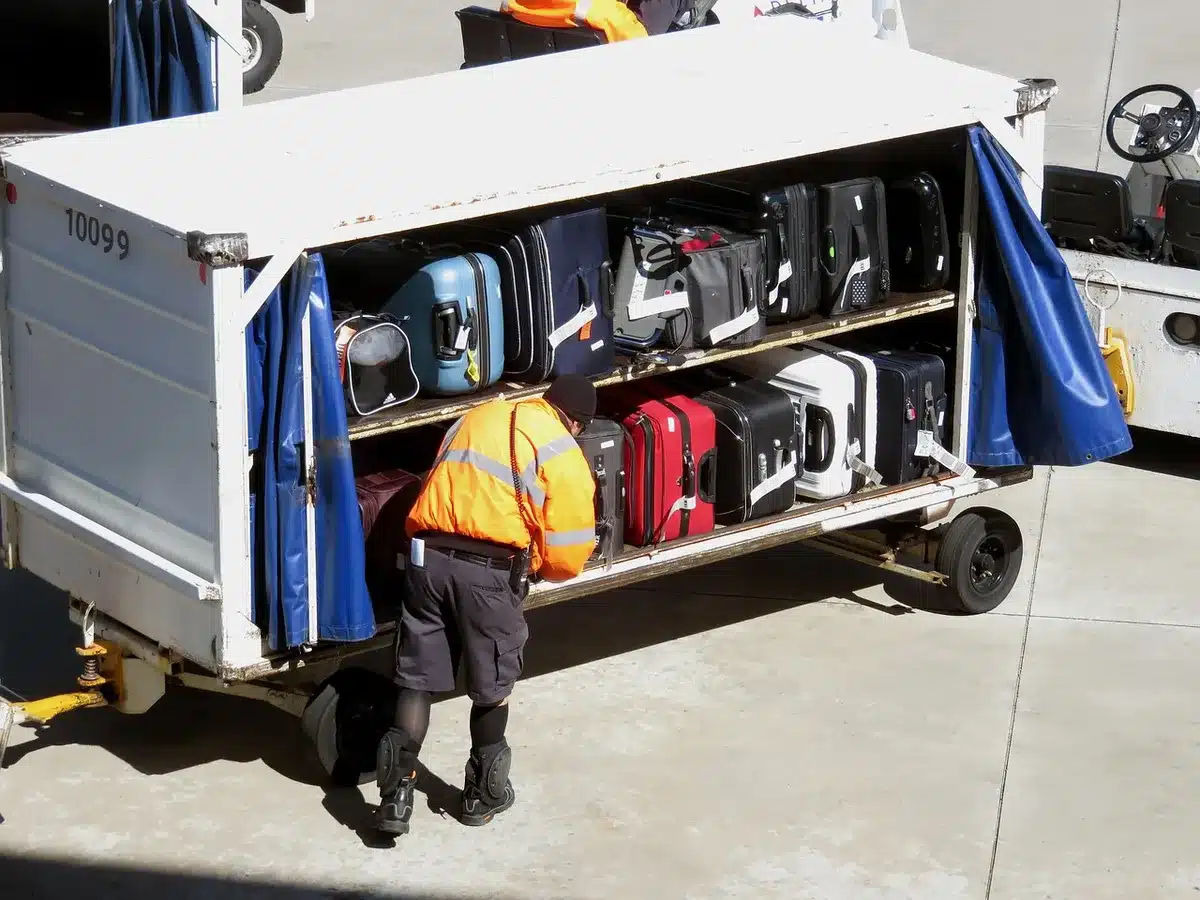
Viral video shows 81-year-old delivery worker struggling with heavy luggage
Economists and banks warn the disruption could feed into broader inflation and slower growth. One major investment bank told clients this week that sustained higher oil would likely push consumer prices up, trim economic expansion and lift unemployment by the end of the year.
At the pump, the U.S. national average for regular gasoline has climbed substantially in recent weeks — rising from about $2.30 a gallon earlier this year to roughly $3.60 today — a jump that changes household budgets and raises political stakes.
Mixed signals from the White House
The administration has issued a string of conflicting public statements about how and when it will restore safe passage through the strait. Senior officials alternated between assurances that U.S. naval protection and insurance would keep shipping moving and more aggressive rhetoric warning of severe military responses if Iran impeded traffic.
At one point, a senior energy official posted that a tanker had been escorted through the waterway, then removed the claim; at another, officials said escort operations were still not ready because military assets were focused on neutralizing perceived Iranian threats.
- Short-term price pressure: Volatility in oil and gasoline markets is likely to persist until shipping lanes reopen and uncertainty eases.
- Political consequences: Rising fuel costs increase pressure on the administration ahead of the midterm elections.
- Supply responses: Releasing emergency stocks or easing shipping rules could stabilize—but probably not sharply reduce—prices.
- Sanctions trade-offs: Temporary waivers to let stranded Russian crude reach buyers may lower near-term tightness but carry diplomatic and strategic costs.
Immediate policy responses
Officials announced several near-term steps designed to ease strains on global supplies. The Treasury issued a limited, month-long license allowing some Russian cargoes that had been stranded at sea under sanctions to move to market, expanding on previous, short-term permissions for certain buyers.
Separately, the White House signaled it may temporarily relax the Jones Act, the U.S. law that requires domestic cargos to move on U.S.-built and -flagged vessels, to free up shipping capacity between American ports. And Washington said it would coordinate an international drawdown of emergency oil stores — tapping strategic reserves alongside partners to steady global markets.
Administration spokespeople described the sanctions waiver as narrowly tailored and meant to avoid materially enriching Russia’s coffers, noting most state energy revenue is collected at the point of extraction rather than on resale. Economists cautioned that coordinated releases tend to blunt price spikes rather than erase them.
Why this matters now
The convergence of shipping disruptions, policy reversals and emergency measures creates a volatile mix. Consumers face higher costs for everyday transportation; businesses that rely on fuel and logistics may see margins squeezed; and politicians will be judged on how quickly they can make energy affordable again.
How long this episode lasts depends on three variables: whether the Strait of Hormuz reopens to normal traffic, how many of the tankers currently at sea — analysts estimate tens of millions of barrels are sitting offshore — are brought to market, and whether coordinated reserve releases temper traders’ fears. In the short term, expect continued price swings and intense scrutiny of every policy pivot from Washington.