Show summary Hide summary
At the annual State of the County event in Kankakee, local leaders pushed back against a media narrative that often highlights the region’s worst moments, arguing that recent headlines don’t capture the full story — and warning that policy and housing shortfalls have immediate consequences for residents. Their message Tuesday: community choices and cooperation will shape the county’s future more than any single crime or news cycle.
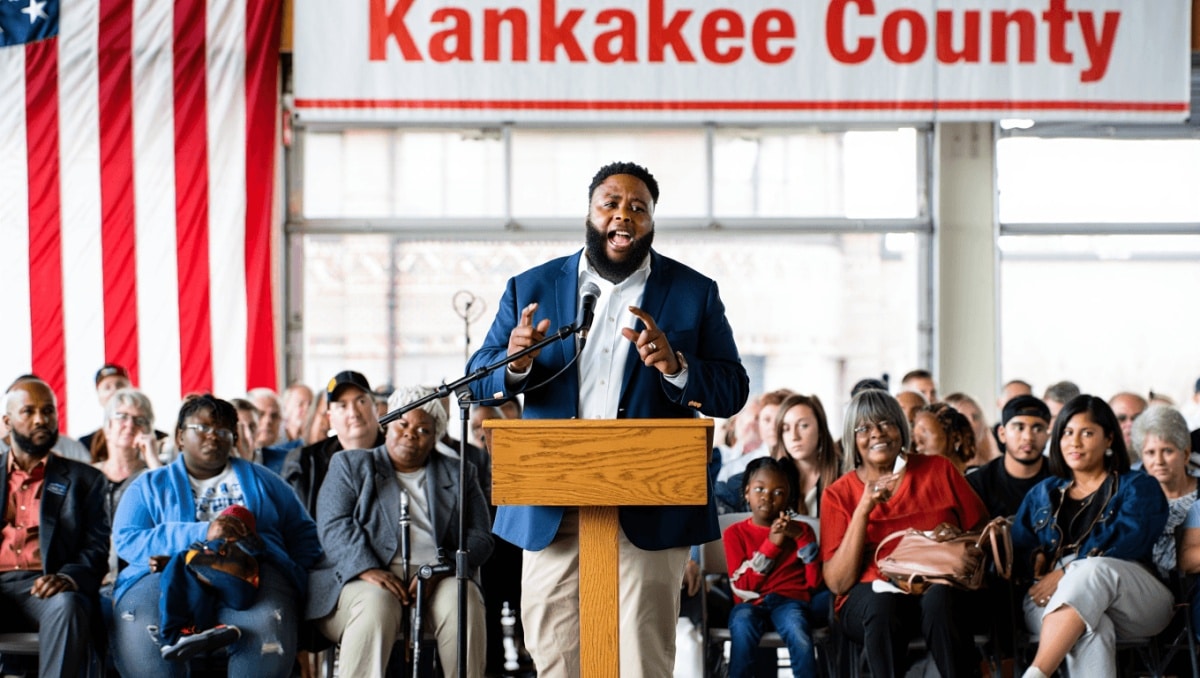
About 250 people gathered in Chalfant Hall at Olivet Nazarene University for the event organized by the Kankakee County Chamber of Commerce. Eleven civic leaders took the stage to outline accomplishments, persistent problems and the work they say remains urgent.
Community image versus reality
Kankakee County State’s Attorney Jim Rowe challenged the idea that one breaking story defines the county. He described standing alone in an empty courtroom with two case files and how the files underscored a lesson: the courts respond to crime, but prevention is rooted in civic action and shared standards.
Michael Page dropped from UFC rankings despite victory: what it means for his career
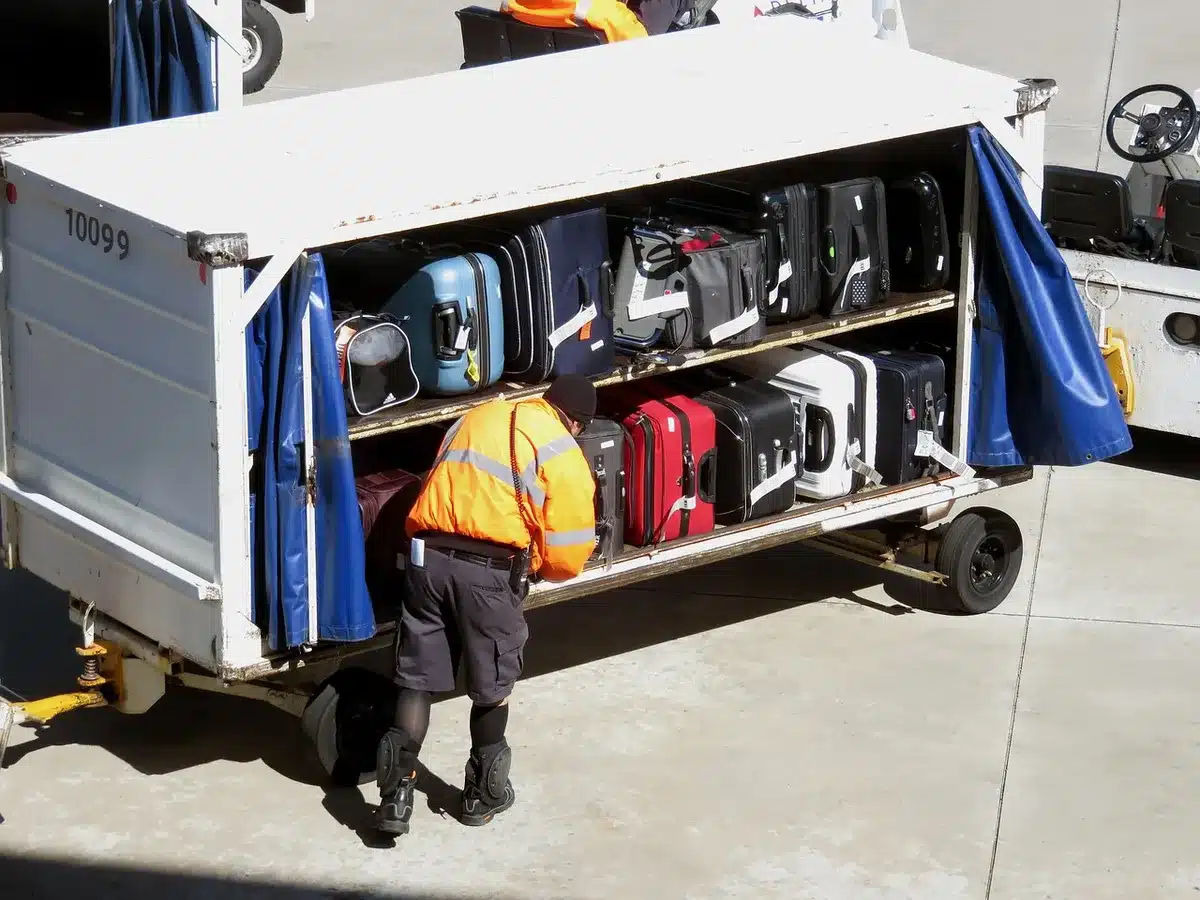
Viral video shows 81-year-old delivery worker struggling with heavy luggage
Rowe urged residents to choose collective responsibility over cynicism and to refuse to let isolated tragedies become the county’s only narrative. He singled out teachers, first responders, small-business owners, farmers and volunteers as examples of people whose daily efforts, he said, are rarely visible on television but are critical to community resilience.
- Attendance: ~250 at the State of the County event
- Speakers: 11 community leaders
- Labor force: about 52,000 residents working or looking for work
- Chronically out of the workforce: roughly 3,000 people
- New housing: under 100 homes per year on average; 76 new houses last year
- Auto theft response: Tri-County unit opened 560 cases and recovered 306 vehicles valued at $6.6 million
Housing and jobs: stagnation that matters
Angela Morrey, president and CEO of the Economic Alliance of Kankakee County, painted a mixed picture. She acknowledged pockets of real economic pain — citing Momence among places hit hard by lost employers — while pointing to strong regional cooperation that helps match people to jobs and housing.
But Morrey stressed a structural problem: the county has averaged fewer than 100 new homes per year for about 15 years. With only 76 houses built last year, she said the supply is inadequate for workforce needs and population growth.
This housing shortfall interacts with the labor market. Of roughly 52,000 in the local labor pool, about 3,000 are not working and not actively seeking work, a figure that keeps Kankakee’s unemployment rates higher than many other Illinois counties and complicates recruitment for expanding employers.
Crime trends and law changes
Kankakee County Sheriff Mike Downey highlighted progress and challenges in public safety. He praised interagency efforts — including the Tri-County Auto Theft Task Force, which spans Kankakee, Will and Grundy counties — for opening 560 cases last year and recovering vehicles valued at $6.6 million.
At the same time, Downey criticized the practical effects of the statewide SAFE-T Act, which changed pretrial detention rules last fall. He described a pattern in which repeat offenders are arrested and released under the statute’s constraints, then return to criminal activity quickly, eroding public trust in accountability.
Using one unnamed suspect as an example, he said since the SAFE-T Act took effect on Sept. 18, 2023, the individual has been arrested multiple times — a tally he placed at 11 motor-vehicle theft or opportunistic-crime arrests — with charges still pending in each case.
“When people are repeatedly processed and then freed with no immediate consequences, it weakens confidence in the system,” Downey told the audience.
What leaders want next
Speakers across sectors emphasized collaboration: counties, law enforcement, economic development groups and health and workforce agencies presenting a shared set of concerns and priorities rather than competing narratives.
They urged practical steps — increasing housing production, connecting residents to stable employment and refining criminal-justice responses to reduce repeat offending — as the way forward. Several presenters framed those actions as essential to changing how outsiders see Kankakee, but more importantly, to improving daily life for people who live there.
For residents, the stakes are immediate: housing availability affects where workers can live, job participation influences local schools and services, and how the justice system handles repeat offenders shapes neighborhood safety and public confidence. Leaders said those are the realities that will determine the county’s trajectory more than any single headline.