Show summary Hide summary
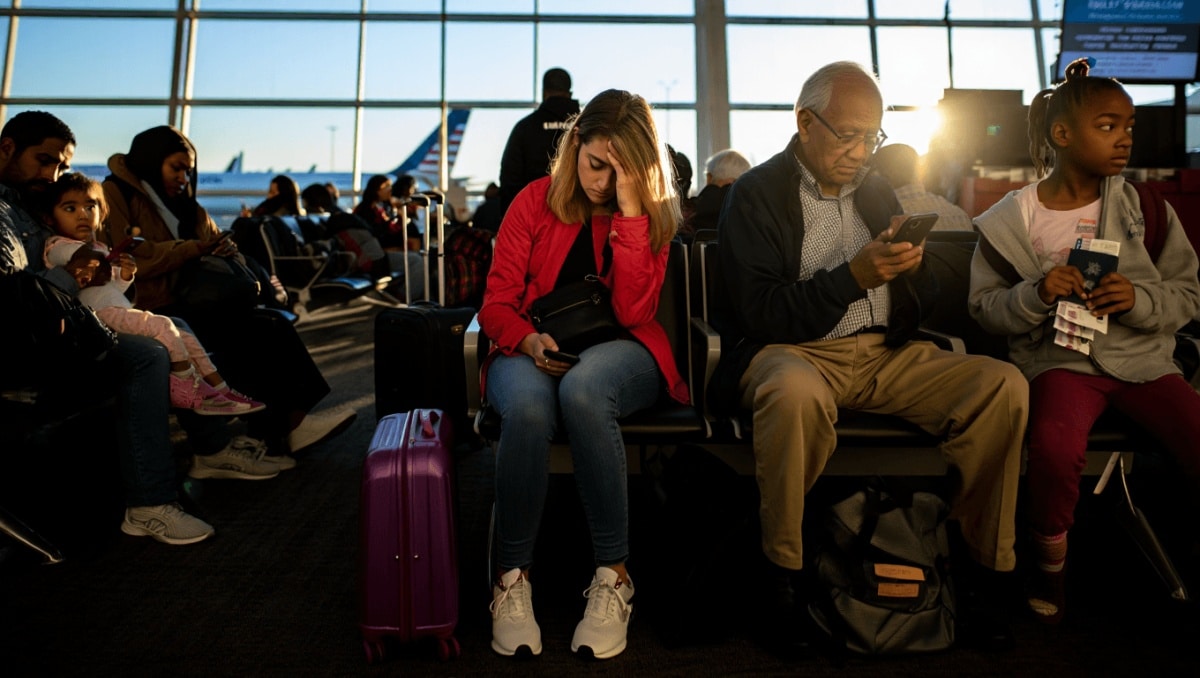
Stranded travelers in the Middle East say they endured chaotic, multi-day evacuations with little practical help from U.S. diplomatic offices, forcing many to cobble together their own routes home. The scramble, sparked by recent Israeli-U.S. strikes on Iran and subsequent regional tensions, has left thousands of Americans relying on commercial detours, private charters and peer-to-peer networks to escape closed airspace.
Travelers describe a do-it-yourself exit
Several Americans who made it home this week described journeys that stretched across continents and took days to complete. They say routine consular messages — urging citizens to shelter in place or enroll in travel-alert systems — offered limited operational support when airports shut and flights vanished.
Michael Page dropped from UFC rankings despite victory: what it means for his career
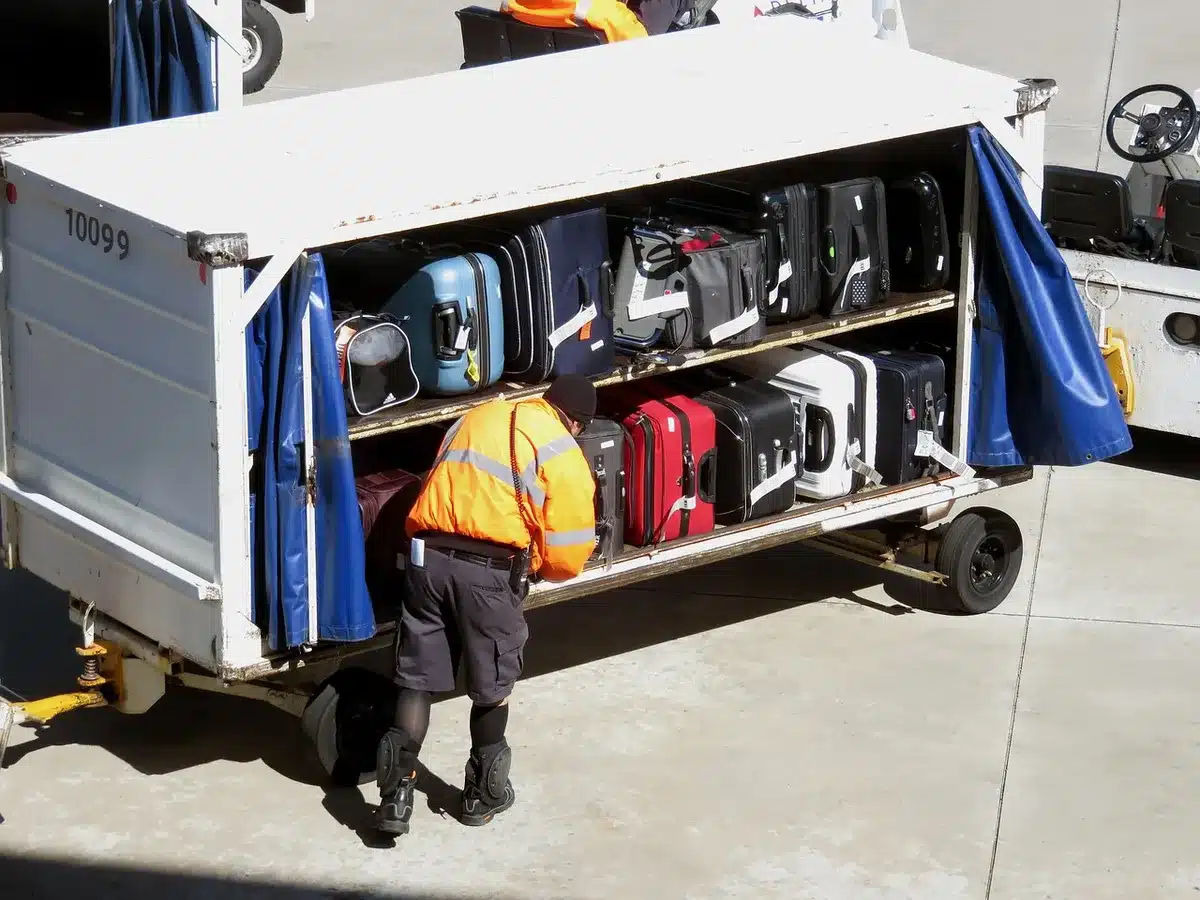
Viral video shows 81-year-old delivery worker struggling with heavy luggage
One high-profile travel blogger said she reached Miami after two full days and multiple connections, adding that embassy staff directed her to standard safety guidance but could not arrange transportation. Others reported long waits on hold, generic emails and no active evacuation assistance from U.S. officials.
How people actually got out
With formal channels slow or unavailable, many Americans improvised. Social messaging apps and informal funds became a lifeline for those trapped in Gulf cities and neighboring countries.
- Overland routes: Travelers hired drivers or rented vehicles to cross borders into countries where flights were still operating, then flew onward from airports in Oman, Jordan or Egypt.
- Commercial rebookings: Those who secured seats often took the first available service, including limited reopened routes from Dubai and Doha.
- Charter flights: The State Department has begun arranging U.S.-chartered repatriation flights, though officials say many eligible passengers declined or did not show.
- Community coordination: Crowdsourced groups pooled information on transportation, driver contacts, cash needs and medication access when official guidance lagged.
Participants in these networks say real-time tips — from where taxis were accepting payment in specific currencies to which airports still had departures — cut through the confusion more effectively than government notices.
Numbers and the official picture
The State Department reports that roughly 27,000 Americans have returned to the United States since the conflict escalated in late February, with a majority arranging their own travel. Department officials also say about 13,000 U.S. citizens reached out seeking help or information, and that a portion of offered seats on charter flights went unused.
Flight-tracking and aviation firms recorded extensive disruption: tens of thousands of scheduled services in the region were canceled as airspace closures persisted over parts of Iran, Iraq, Bahrain, Kuwait and Syria. Yet air traffic showed early signs of recovery as some nations reopened corridors for limited passenger and cargo operations.
Lawmakers press for clearer planning
Democratic members of Congress have criticized the federal response as inadequate, calling for improved communication and a clearer evacuation framework for Americans abroad. State Department officials acknowledge logistical limits — notably, they do not control foreign airspace — and say they are working to expand recovery flights each day.
Travelers and former diplomats argue that messaging that emphasizes personal responsibility, without concrete options or immediate support, leaves people facing high costs, medical risks and fast-changing transportation windows.
What this means for travelers now
For U.S. citizens in regions affected by the unrest, experts and recent evacuees advise preparing multiple contingency routes, keeping medications and essential documents accessible, and monitoring trusted local sources as well as official updates.
Those trying to leave should consider these immediate steps:
- Register with the nearest U.S. Embassy and double-check contact details, but treat embassy notices as one of several information streams.
- Scan alternative departure points — overland crossings and secondary international airports — before flights are canceled.
- Join verified peer groups and networks for real-time logistics and local recommendations, especially via WhatsApp groups or similar messaging platforms.
- Assess costs and medical needs early; some evacuees used crowdfunding to cover hotel and transport expenses while waiting for flights.
As regional airspace slowly reopens and more chartered flights are announced, organizers say coordination will remain uneven. For now, personal initiative combined with community-sourced information continues to be the decisive factor in who gets out and how quickly.