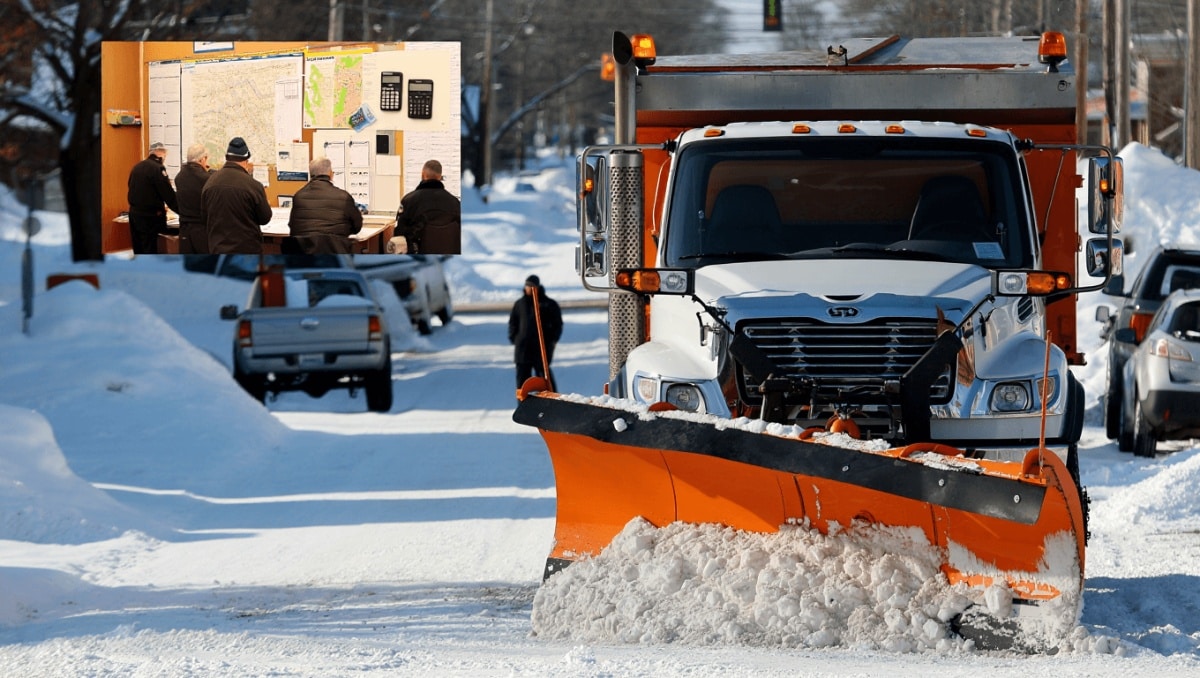
As the region shifts toward spring, Bourbonnais village trustees received a winter operations briefing Monday that underscores how the season’s storms translated into higher material use and staff hours. The numbers could affect local budgets and planning as officials assess fleet wear, overtime costs and readiness for any late-season surprises.
Trustee Randy King, who leads the public works committee, presented the department’s season summary based on a report from Public Works Director Terry Memenga. The update tracked this winter’s salt consumption, miles driven by plows and overtime logged by crews.
Memenga’s figures show a notable uptick compared with recent winters: the village used more salt, drove further on routes and required more overtime. King told the board the season included prolonged cold spells that kept crews busy.
Michael Page dropped from UFC rankings despite victory: what it means for his career
Viral video shows 81-year-old delivery worker struggling with heavy luggage
Key figures for the 2025–26 winter were summarized by officials as follows:
| Season | Salt (tons) | Snow events | Overtime (hours) | Miles driven |
|---|---|---|---|---|
| 2025–26 | 1,829 | 18 | 1,044 | 9,650 |
| 2024–25 | 1,693 | 20 | 880 | 8,510 |
| 2023–24 | 847 | 11 | 510 | 4,825 |
The report noted about eight weeks of sub-freezing temperatures this winter, a stretch that contributed to heavier salt use and extended shifts for crews. Village plow teams responded to 18 separate snow events over the season.
Officials say the rise in salt use and overtime hours carries direct budgetary consequences—more material purchases, additional payroll and faster equipment wear all factor into next year’s planning. There are also environmental and maintenance concerns tied to heavier de-icing use.
Memenga also pointed out that, even with some unseasonably warm days recently, the risk of additional snow remains. That mix of milder afternoons and lingering cold snaps creates a tricky window for scheduling repairs and ordering supplies.
- Operational impact: More miles and hours mean higher fuel and maintenance costs.
- Financial impact: Increased overtime and salt purchases can strain departmental budgets.
- Planning needs: Officials must balance fleet repairs, salt inventories and staffing before next winter.
Trustees will use these figures to evaluate staffing and supply levels as they prepare budgets and maintenance schedules for the year ahead, mindful that late-season storms can still alter projections.