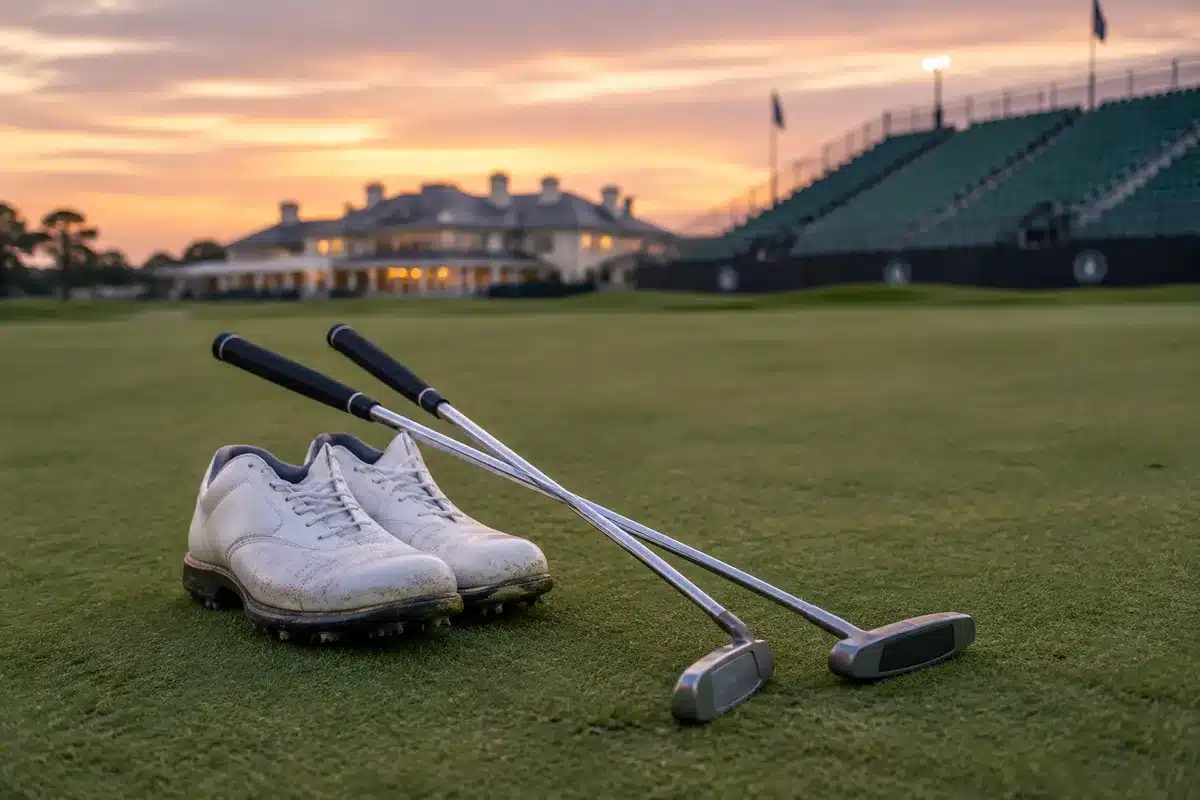
The United States staged a last‑minute recovery at the Presidents Cup in Medinah, but the narrow escape has left more questions than confidence about American team golf heading into the next Ryder Cup. With the U.S. trailing by three points after three days, analysts and captains alike must now decide what to change before 2027 in Rome and beyond.
When asked at the post‑match press conference what he would carry from this week into his tenure, incoming U.S. captain Jim Furyk spoke about experience, calm and the value of sharing ideas — a measured response that some observers found thin given how close the Americans came to losing a trophy they have largely owned since the late 1990s.
That restraint may reflect prudence: veterans often avoid telegraphing internal strategy. Yet the competition exposed clear tactical gaps, particularly in the alternate‑shot format, where the International side routinely outplayed the home team.
Camp Shaw marks 80th year with reunion fundraiser Saturday
U.S. Ryder Cup team faces urgent fixes after Presidents Cup
The scoreline tells the story: the International team dominated afternoon foursomes, compiling an impressive record that included a clean sweep on Friday. Foursomes has long been an awkward fit for players who rarely encounter the format in regular tour schedules, but the Americans’ struggles suggest preparation and pairing choices deserve sharper attention.
Brandt Snedeker, captain’s assistant for the U.S., repeatedly accepted responsibility for lineup decisions during the event, acknowledging second‑guessing in crucial moments. Critics pointed to the decision to sideline Scottie Scheffler for at least one session in favor of Wyndham Clark as an example of selection risk that nearly backfired.
- Foursomes require a plan: The U.S. must convert its analytics into a playable pairing strategy that accounts for complementary styles and in‑match dynamics, not just ranking proximity.
- Leadership matters: Match captains and vice‑captains need clearer contingency plans and the courage to adjust pairings during the week rather than react afterward.
- Youth influx is real: Young Americans who performed under pressure should be front‑and‑center for Ryder Cup consideration.
Beyond tactical tweaks, the competitive landscape is shifting. Geoff Ogilvy’s International side showed how strategy and momentum can offset a perceived talent gap. Looking ahead to the 2028 Presidents Cup in Australia, the Internationals will have home advantage and a deep core of proven performers. If players currently ineligible—due to tour affiliation—become available again, the balance could tip further.
That makes the next two seasons critical. The U.S. must not only shore up match play strategy but also cultivate reliable partnerships and give meaningful experience to rising stars now.
That young cohort was arguably the week’s biggest positive for the Americans. Players such as Jackson Koivun, Chris Gotterup and Jacob Bridgeman delivered under pressure. Gotterup finished among the team leaders in points; 21‑year‑old Koivun contributed key wins, and Bridgeman’s nerve‑steady par on the 18th in singles proved decisive.
Bridgeman later described the final putt as a surreal, confidence‑boosting moment — the sort of finish team managers hope can be recreated in match play environments.
Short‑term, the takeaways are straightforward: refine foursomes strategy, empower leadership to make bolder pairing calls, and lock in young contributors for future team rosters. Longer term, the Americans cannot assume continued dominance; the Internationals have shown they can compete strategically, and the sport’s shifting allegiances could make future contests far more contested.
How the U.S. responds over the next year will determine whether this Presidents Cup is remembered as a timely wake‑up call or a close call that foreshadowed a changing competitive order.