Show summary Hide summary
Scientists this week unveiled early findings from an experimental approach that could reshape how medicine treats age-related decline. The results are preliminary but suggest a way to reduce cellular damage and restore tissue function, a development with clear implications for chronic disease and healthy lifespan if confirmed.
The new work combines two complementary strategies: removing cells that drive inflammation and tissue dysfunction, and activating intrinsic repair mechanisms inside remaining cells. In laboratory models, that combination produced measurable improvements in organ function and resilience to stress, prompting cautious optimism among researchers focused on translating basic aging biology into clinical treatments.
Northern Illinois 9/11 25th anniversary: schedule of local ceremonies
Aaron Judge back: Yankees surge into World Series contention
What the research entailed
At the core of the study is a dual-pronged method. First, the team targeted accumulated, dysfunctional cells that accumulate with age—often called senescent cells—which release signals that impair neighboring tissue. Second, they used agents that boost cellular repair pathways, improving mitochondrial performance and DNA maintenance in surviving cells.
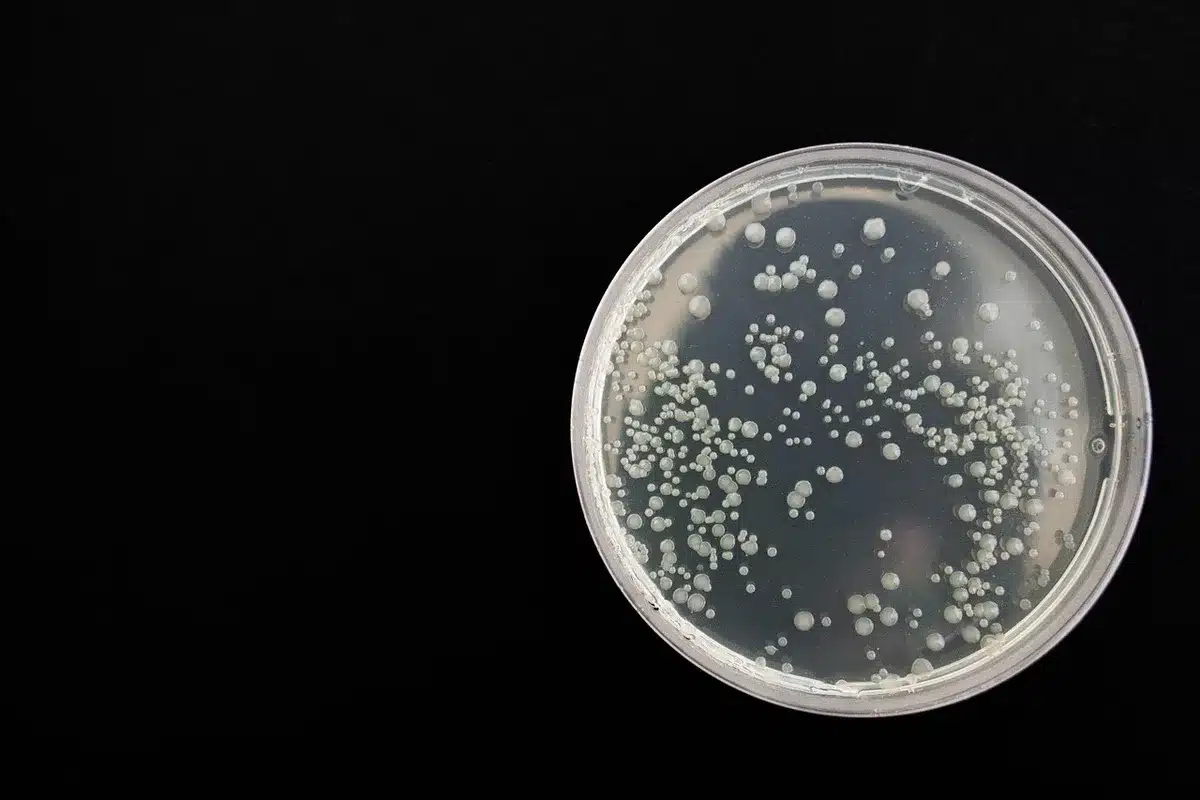
Tests were conducted in cultured human cells and in rodent models. Animal subjects showed improvements in mobility, inflammatory markers and tissue regeneration compared with controls. Researchers also reported an early human safety assessment involving a very small number of volunteers; that initial check found no serious adverse events, but did not measure long-term benefit.
Why this matters now
For the public, the importance is twofold. First, slowing or reversing cellular damage could reduce the risk or severity of multiple age-related illnesses—cardiovascular disease, metabolic disorders and some neurodegenerative conditions—without needing a separate drug for each one. Second, a therapy that safely improves tissue repair could shift medicine toward preventing functional decline rather than only treating symptoms.
Still, experts warn the distinction between laboratory promise and clinical reality is large. Translating results from animals and cell cultures into therapies for older adults involves complex safety, dosing and long-term efficacy questions.
- Potential benefits: Reduced systemic inflammation, improved organ resilience, and a possible increase in healthy years of life.
- Current evidence: Positive signals in preclinical models and a very small safety-focused human check.
- Next steps: Larger, controlled clinical trials to test efficacy, duration of benefit, and rare side effects.
What clinicians and regulators will watch
Medical regulators will scrutinize three areas: safety in older, frail populations; durability of benefits; and whether long-term suppression of certain cell populations has unintended consequences, such as impaired wound healing or immune dysfunction. Clinicians are likely to emphasize careful selection of trial participants and objective measures of function—walking speed, cognition tests, and biomarkers—rather than surrogate lab measures alone.

Researchers also need to define which patients might benefit most. A therapy that improves cellular repair could be more effective if given earlier, before extensive organ damage accumulates, but ethical and practical concerns complicate preventive use in otherwise healthy people.
Context within aging research
This announcement follows years of work on related concepts—compounds that clear harmful cells, molecules that support cellular metabolism, and experimental techniques to reset cell identity. The field has matured from basic discovery to small clinical tests, and the current findings represent the next step in combining complementary approaches.
However, the history of biomedical research cautions against overconfidence. Several promising interventions in animal models have failed to translate into clear human benefits, or have shown safety issues only after larger trials.
Still, the present results are significant because they test a strategy that addresses multiple hallmarks of aging simultaneously, rather than targeting one narrow pathway.
Key takeaways
- Early data suggest a combined strategy—removing harmful cells and boosting repair—can improve function in preclinical models.
- Human evidence is limited to initial safety observations; efficacy in people remains unproven.
- Large, longer randomized trials are required to establish whether these findings will translate into safer, effective treatments for age-related decline.
Researchers involved urge caution and patience: the findings provide a direction worth pursuing, but they do not yet change clinical practice. For now, the development is best described as a promising step in a long process toward therapies that might one day extend not just life, but healthy years lived free of disabling disease.