Jurors in the high-profile triple murder trial of Lindsay Clancy have returned for a third day of deliberations, a critical step that will determine whether the panel can reach unanimous verdicts on the charges. The outcome could carry long-term consequences for Clancy and for public conversations about mental health in criminal cases.
The court recessed late Tuesday after jurors reviewed testimony from medical experts, family witnesses and law enforcement. Lawyers for both sides have told the jury sharply different stories: prosecutors argued the evidence supports criminal responsibility, while defense attorneys have emphasized mental health concerns and urged the panel to weigh those factors carefully.
What jurors must consider
– Evidence presented at trial, including forensic reports, medical testimony and witness accounts
– The legal standards explained by the judge, notably the burden of proof and the meaning of reasonable doubt
– Any claims of diminished capacity or mental illness offered as mitigating evidence
– The credibility of witnesses and the consistency of timelines shown during the trial
Weight rebound after stopping anti-obesity meds raises risk of suicidal thoughts, study finds
Judy Harvey: who she is and what to know now
How deliberations work
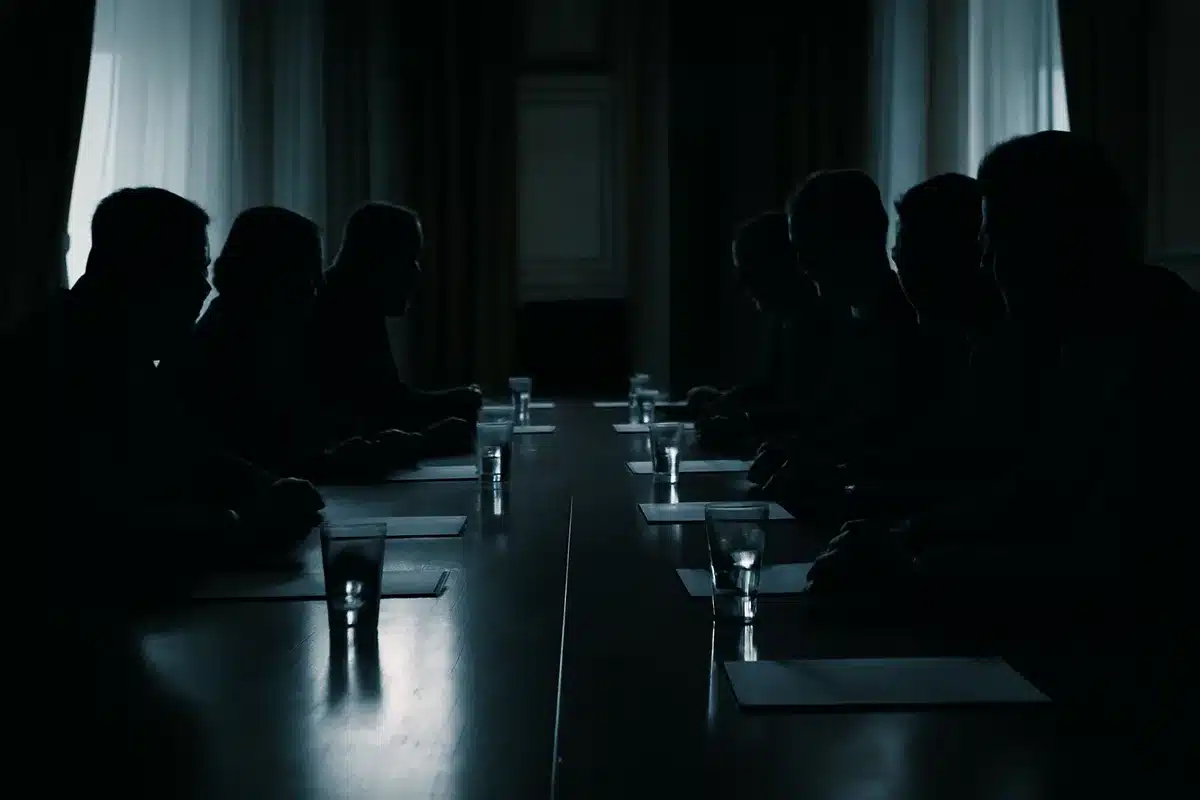
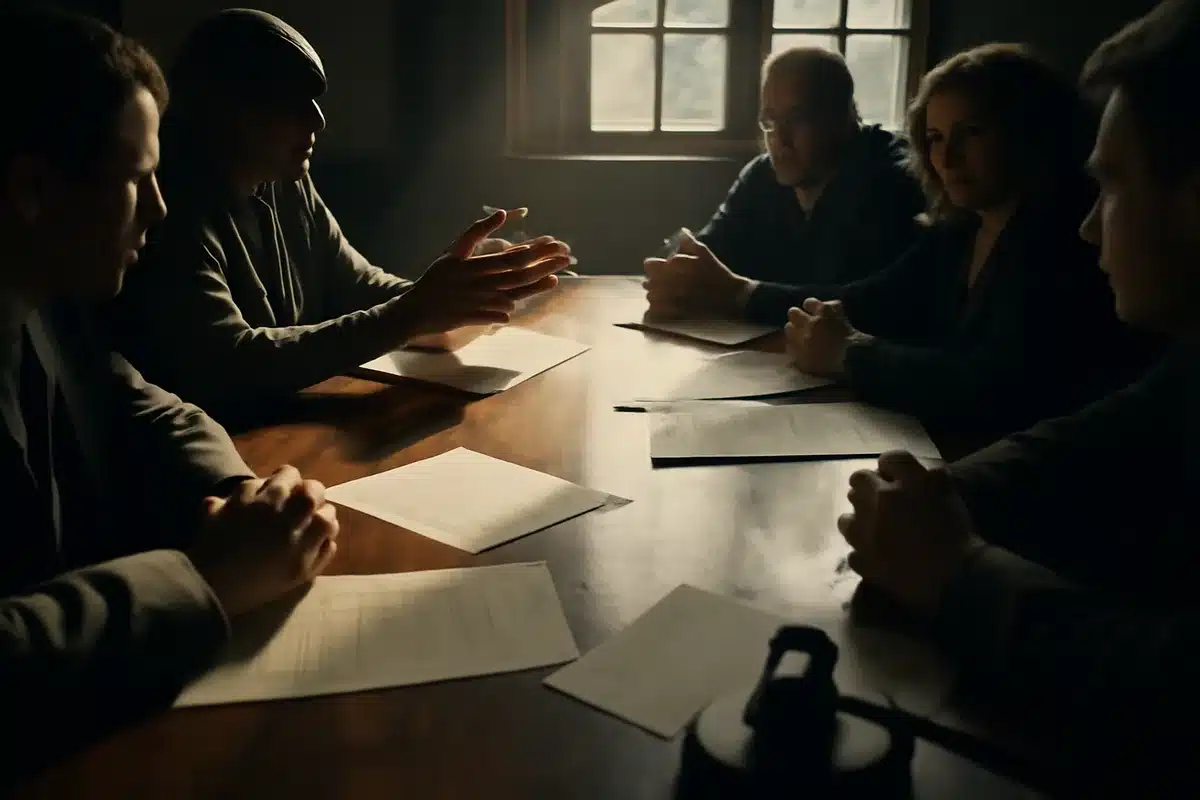
Deliberations give jurors space to discuss the case behind closed doors and to apply the judge’s legal instructions to the facts. They may ask the judge for clarification on specific points of law or to have testimony read back; the judge can respond in writing or by rereading portions of testimony.
Experts and observers say that reaching a decision can hinge on a few pivotal pieces of evidence rather than the sheer volume of material. If jurors remain deadlocked after extended deliberations, the judge can urge them to continue, or in some circumstances declare a mistrial.
Why this matters now
The case has drawn sustained media attention and public interest because it raises questions about the interaction between mental health issues and criminal culpability. A verdict will not only resolve the immediate legal fate of the defendant but could shape how similar defenses are treated in future prosecutions and influence public policy discussions.
Courtroom atmosphere and next steps
Courtroom observers reported a solemn atmosphere as the panel left to resume deliberations. The judge has instructed jurors to avoid outside information and to base decisions only on evidence introduced at trial.
If jurors return a verdict on any count, that finding will be read in open court. If they cannot agree, the judge may consider whether to declare a mistrial, which could lead to rehearing or plea negotiations, depending on prosecutors’ decisions.
Key questions remaining for jurors
– Did the prosecution prove each element of the alleged crimes beyond a reasonable doubt?
– How much weight should be given to psychiatric testimony regarding the defendant’s state of mind?
– Are there factual gaps or conflicting accounts that prevent a unanimous decision?
Perspective
Whatever the outcome, the case highlights the challenges jurors face in balancing complex scientific testimony with legal standards designed to protect defendants’ rights. It also underscores the broader societal challenge of addressing mental health in and out of the courtroom.
Deliberations are expected to continue through the day; the court has not set a deadline for a final verdict.