Show summary Hide summary
Six months into the Iran conflict, the economic consequences are highly uneven: markets and some investors have found windfalls, while ordinary households are absorbing rising costs for fuel, food and freight. The split matters now because short-term market gains can mask wider, persistent price pressures that will shape policy decisions and everyday budgets in the months ahead.
Winners on paper, payers at the pump
Iran war reshapes economy: markets jump while consumers shoulder rising bills
Houston Texans: stealth surge reshapes AFC playoff picture
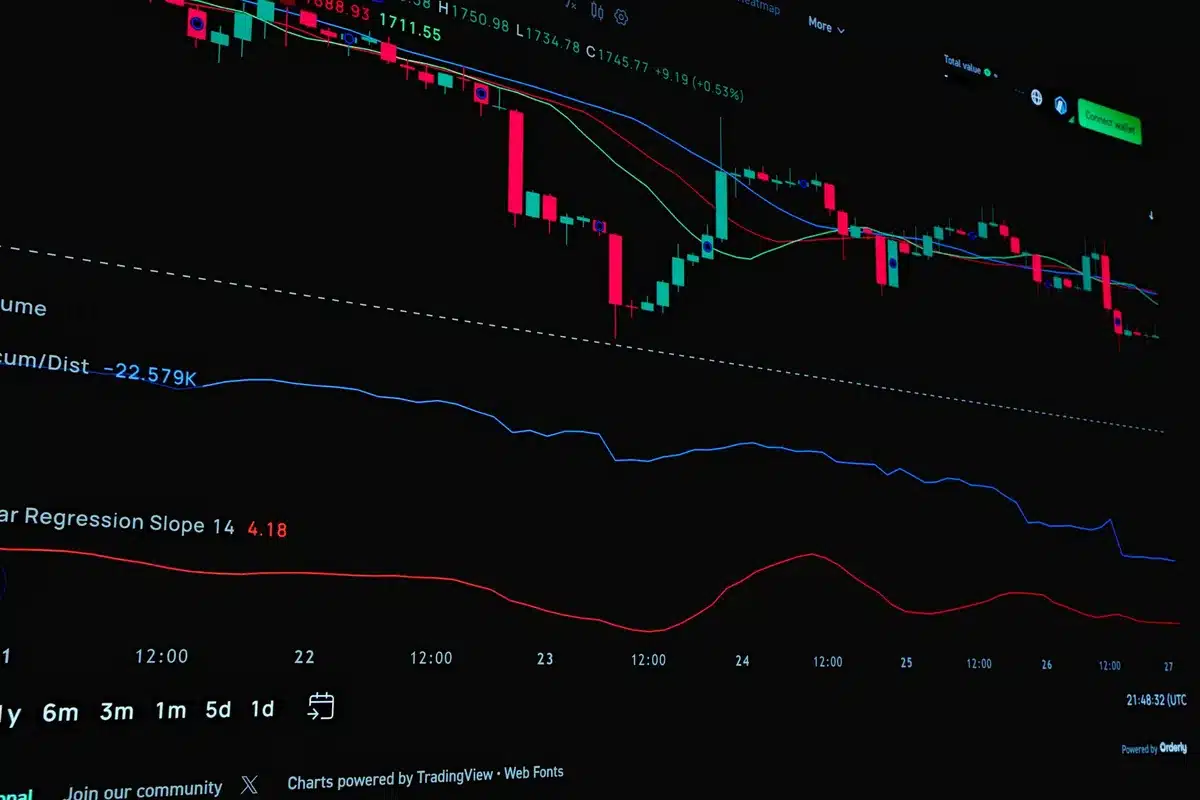
Financial markets have responded quickly to the uncertainty. Oil prices and shares in defence-related firms have climbed, lifting portfolios that are heavy in commodities or energy exposure. At the same time, those gains translate into higher retail prices: motorists and commuters are paying more at filling stations, and the cost of transporting goods has increased.
For consumers, the effects are tangible and immediate. Higher shipping rates inflate the price of imported items, while insurers and logistics providers add surcharges where routes have become riskier. These pass-through costs compound already fragile household budgets in many countries.
How the shock propagates
The economic ripple works through several channels, some fast, others slower but durable. Traders react immediately to geopolitical risk, bidding up commodity and safe-haven assets. Corporates face higher input and shipping costs and may postpone investment. Central banks watch price data closely and weigh whether to tighten policy further to curb inflation — a move that would slow broader growth.
- Energy costs: Direct upward pressure on fuel and heating bills.
- Food prices: Shipping delays and higher freight add to supermarket bills.
- Freight & insurance: Rising premiums for ships and rerouted cargo increase import costs.
- Currencies: Volatility can hit emerging-market purchasing power, pushing up local inflation.
- Markets: Commodity-heavy portfolios benefit, while interest-rate sensitive assets face mixed returns.
Uneven geography, unequal impact
Not all countries feel the strain equally. Oil exporters and firms tied to defence supply chains have seen revenue boosts, whereas import-dependent economies — especially those with weak currencies — are more vulnerable to price shocks. Low-income households in many regions bear a disproportionate share of the burden because they spend a larger share of income on energy and food.
Emerging-market governments confronting capital outflows and currency depreciation may have less fiscal room to shield citizens, increasing the risk of social strain if price pressures persist.
Policy trade-offs and what to watch next
Policymakers face a complex balancing act. Immediate support for households — through targeted subsidies or tax relief — helps short-term affordability but can complicate efforts to bring inflation under control. Conversely, higher interest rates to tame price rises would cool demand but also raise borrowing costs for businesses and consumers.
Key indicators to follow over the coming weeks include crude benchmarks, shipping and insurance rates, headline inflation figures, and central bank commentary on monetary policy. Corporate earnings reports will also reveal whether higher costs are being absorbed or passed to customers.
What this means for readers
Households should be prepared for persistent price volatility in essential goods and energy bills. Investors may see continued gains in commodity-linked assets, but those returns come with elevated political and market risk. For savers and borrowers, the outlook for interest rates is likely to be the dominant factor shaping real returns and loan costs.
The Iran conflict’s economic imprint is already visible — but how deep and long-lasting it becomes depends on developments on the ground and policy responses worldwide. For now, the pattern is clear: the gains are concentrated, the costs are dispersed, and the consequences will influence decisions at kitchen tables and in central banks alike.