Show summary Hide summary
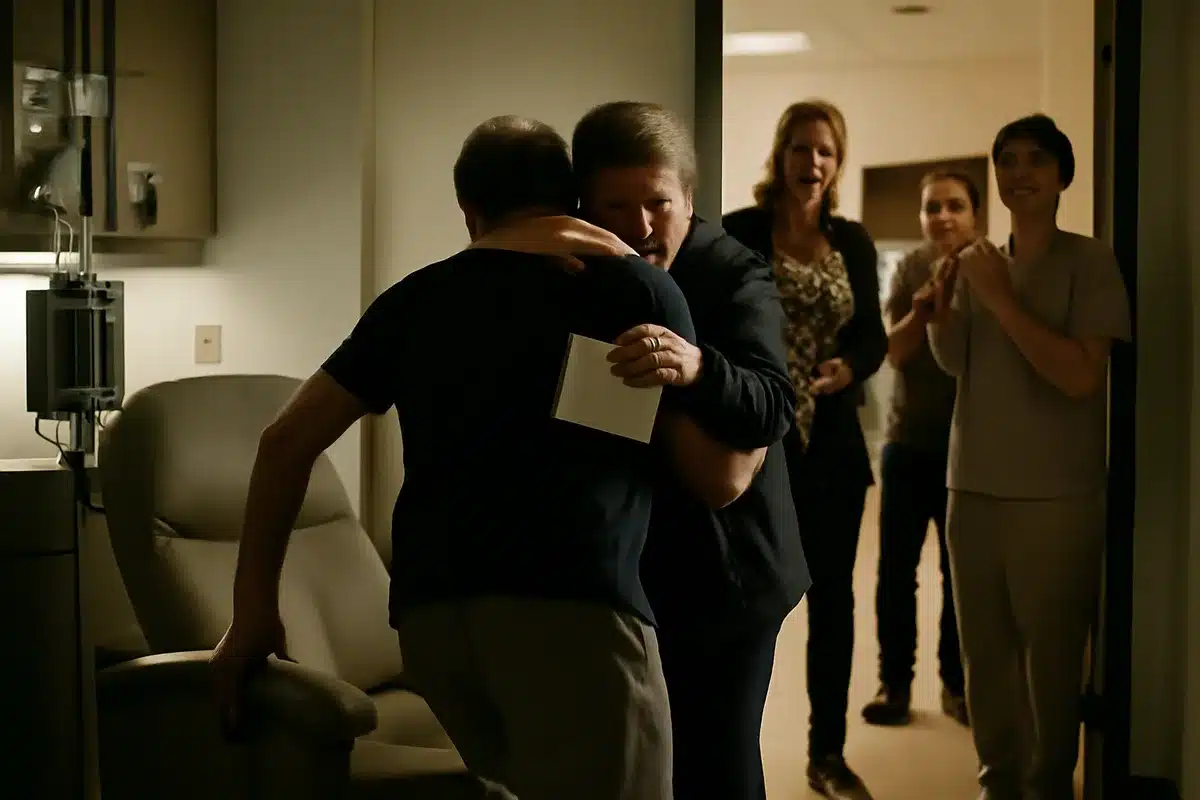
A grandmother finishing her last chemotherapy session was met with an unexpected outpouring of emotion this week when family members and clinic staff arranged a surprise celebration at the treatment center. The moment, filmed and shared online, has drawn attention not for spectacle but for the quieter significance: how small acts of support can mark a turning point in a long cancer journey.
The video shows the patient rising from her chair as relatives step into the infusion room, bringing a card and flowers. Staff members, who had been quietly coordinating behind the scenes, join in with applause. The scene is brief but unmistakable — tears, laughter and extended embraces — and viewers have responded with thousands of comments thanking the team and the family for creating the moment.
UFC Sacramento: key fight stats shaping tonight’s main event
Grandmother surprised at final chemo with tearful family reunion
Why the moment matters now
Cancer treatment timelines are filled with milestones that are as emotional as they are clinical. Reaching a final chemotherapy session is often described by patients as a mix of relief, anxiety and cautious optimism. For many, the presence of loved ones and supportive caregivers changes the meaning of that final appointment from a procedural step to a meaningful life event.
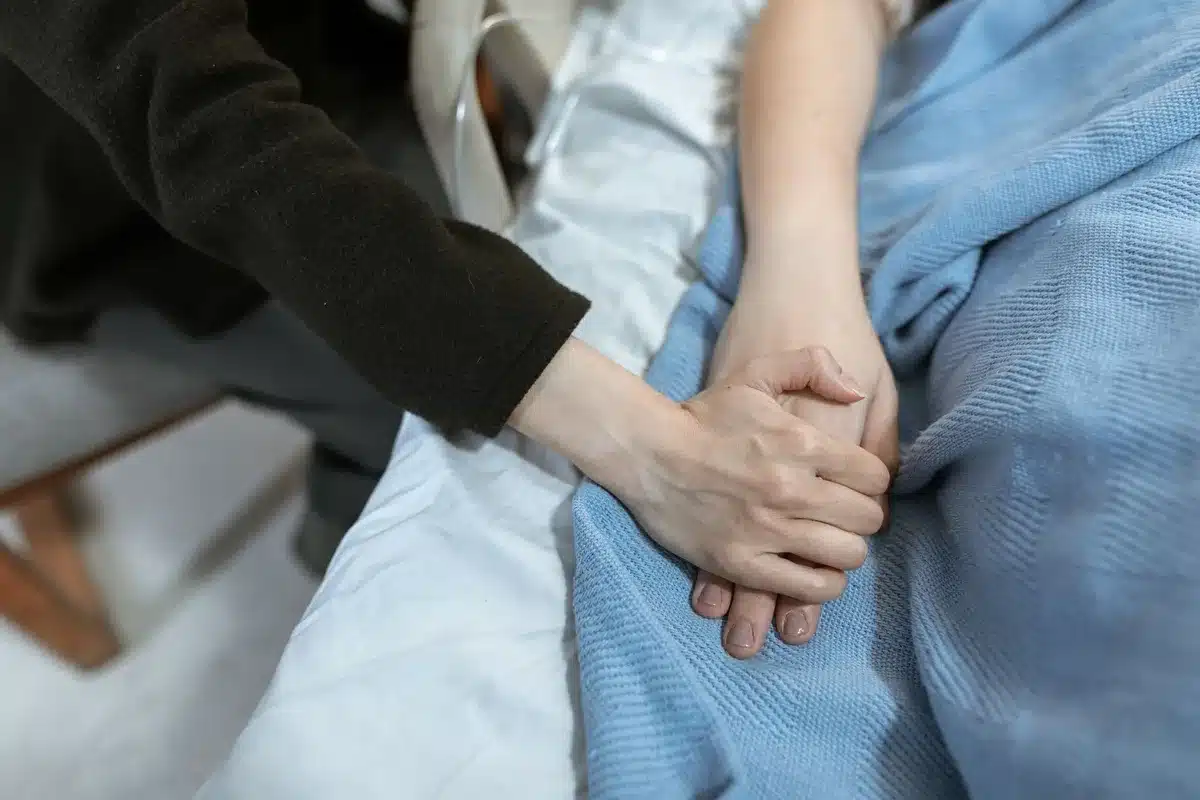
Hospitals and outpatient centers are increasingly recognizing the role of psychosocial care in oncology. Health professionals say emotional support can influence how patients cope with treatment, manage side effects and follow post-treatment plans — issues that remain relevant as clinics balance safety protocols with patients’ need for connection.
What happened during the surprise
Details shared with the clip indicate the celebration was low-key by intention. Family members coordinated privately, and clinic staff adjusted timing to allow the reunion without disrupting other patients’ schedules. The patient was informed only when everyone was ready, preserving the authenticity of the reaction.
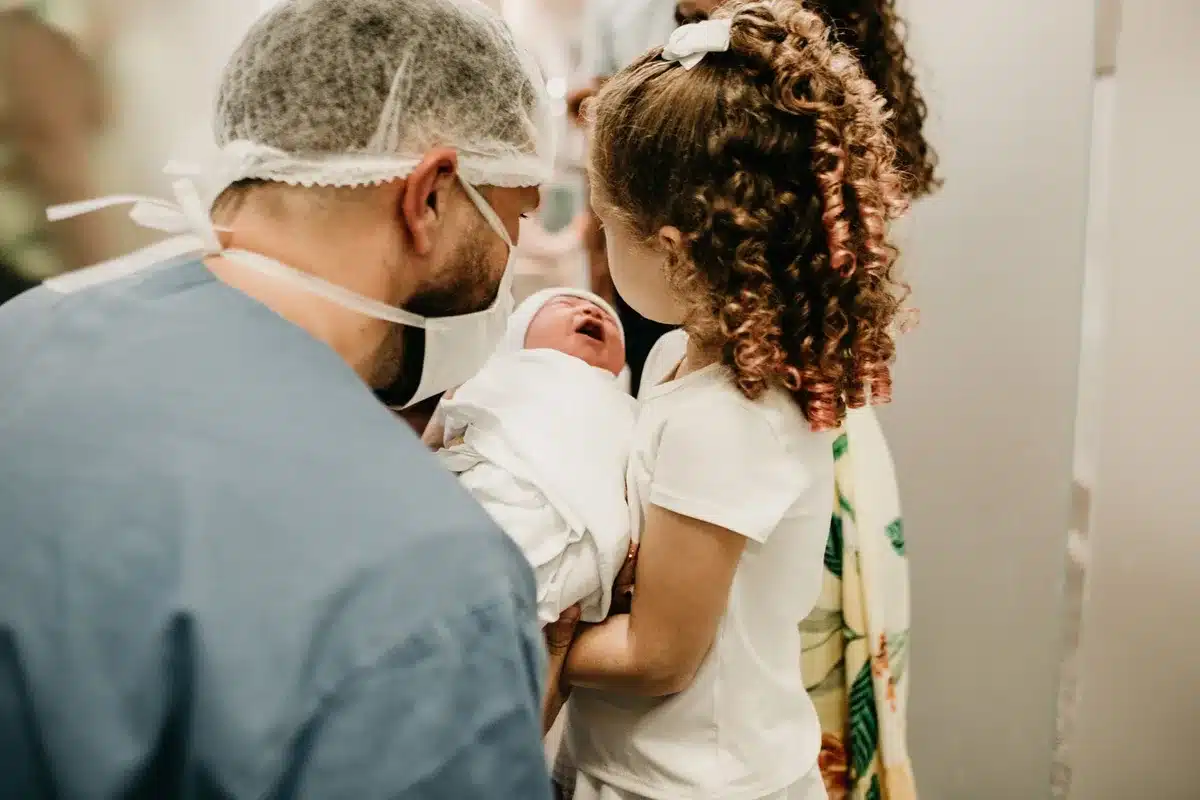
Staff present emphasized discretion: the goal was to support the patient’s dignity while marking a milestone. That approach — modest, patient-centered and staff-supported — is part of why the short video resonated with viewers beyond the immediate circle of friends and family.
- Emotional closure: A visible ritual can help patients and families process the end of a treatment phase.
- Staff involvement: When care teams participate, the moment becomes a shared achievement rather than a private celebration.
- Policy balance: Clinics are adapting visitor policies to allow meaningful interactions while protecting vulnerable patients.
The scene also sparked practical questions among viewers: how do treatment centers safely accommodate family visits, and what options exist when in-person gatherings aren’t possible? Teleconferencing, scheduled windows for small visitor groups, and designated celebratory moments coordinated with staff are all strategies clinics use to bridge safety and support.
Simple lessons from a short clip
| Element | What it looked like | Why it mattered |
|---|---|---|
| Timing | Final infusion appointment | Marked a clinical milestone and emotional turning point |
| Participants | Family and clinic staff | Shared recognition of treatment completion |
| Impact | Short video, widespread reaction | Raised public attention to patient-centered care |
For families navigating cancer treatment, the broader takeaway is practical: small, thoughtful acts coordinated with care teams can create meaningful moments without compromising safety. For clinics, the response to the video underscores a growing public expectation that medical care include attention to patients’ emotional as well as physical needs.
What matters next for patients making this transition is clear: follow-up care plans, monitoring for side effects, and access to psychosocial support. As this episode shows, the final infusion may be the end of one chapter — but it is also the beginning of recovery and adjustment, and how that beginning is marked can matter to everyone involved.