Show summary Hide summary
Walmart signaled restraint after reporting its slowest sales growth in six years, warning investors to temper expectations as consumer habits and pricing pressures shift. The retail giant’s cautious tone underscores broader questions about spending patterns and the health of the U.S. economy going into the next quarter.
Latest quarter and the company’s message
US consumer confidence slips: weakening outlook as pump prices remain above $4
NBA teams poised for breakout in 2026-27: six surprise contenders to watch
In its most recent financial update, Walmart described a notable deceleration in revenue gains compared with prior periods, prompting management to adopt a conservative outlook. Executives pointed to changing customer behavior and a tougher comparison against last year’s results as reasons for the slower pace.
The company also emphasized efforts to manage inventory and protect margins, signaling that near-term priorities are centered on cost discipline rather than aggressive expansion.
Why this matters now
Walmart sits at the center of everyday consumer spending: shifts at the retailer often reflect broader trends across the economy. When the nation’s largest retailer slows, it raises questions about whether households are retrenching, switching where they shop, or reacting to lower inflation and different price expectations.

For investors, the change in tone affects expectations for profits, capital allocation and the stock’s near-term performance. For suppliers and competitors, it affects ordering patterns and promotional strategies.
- Sales growth: The company acknowledged the slowest expansion in several years, a sign of decelerating top-line momentum.
- Consumer behavior: Shoppers are increasingly sensitive to value and convenience, which can shift sales between formats and channels.
- Margins and inventory: Walmart says it will prioritize margin protection and inventory discipline rather than aggressive markdowns.
- Guidance: Management’s cautious forecasts suggest restrained expectations for the coming quarter.
What’s behind the slowdown
Several forces appear to be at play, and Walmart’s commentary points to a mix rather than a single cause. Erosion in discretionary spending, the normalization of inflation, and tougher year-over-year comparisons all dampen headline growth.
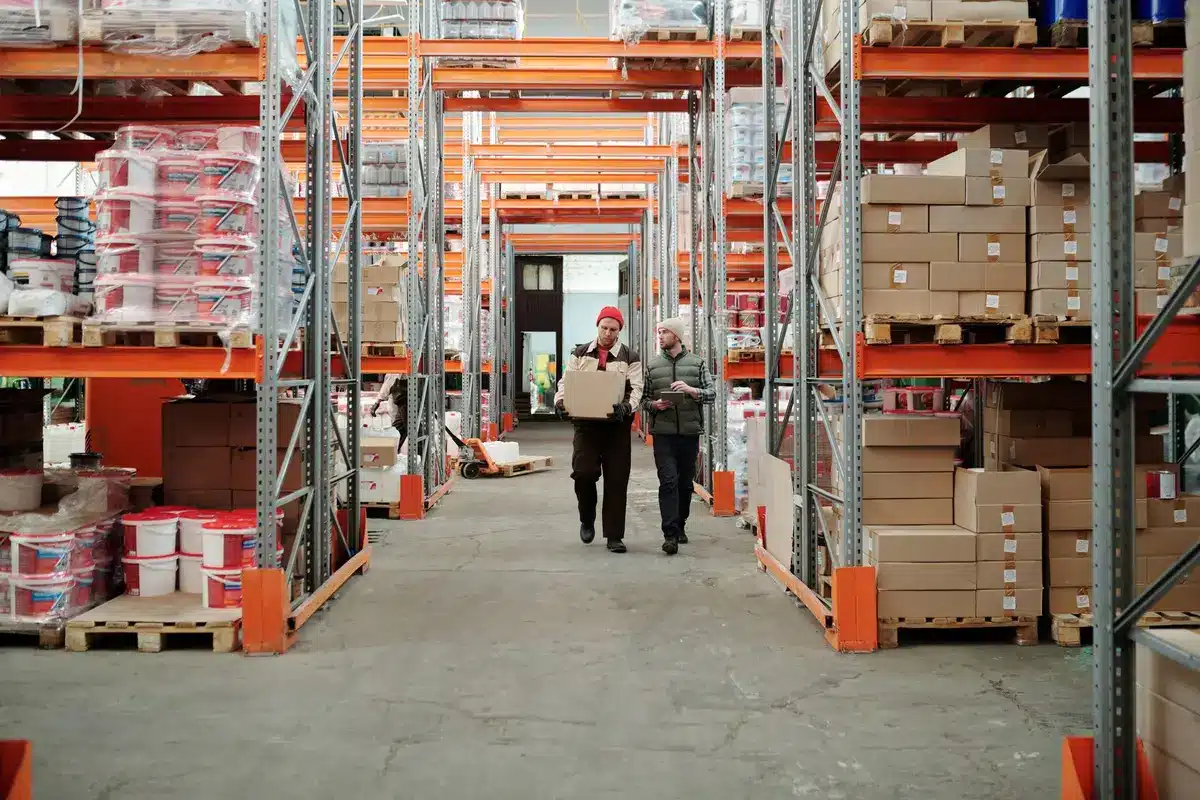
Online growth—historically a bright spot—has also cooled compared with earlier pandemic-era surges. That moderation matters because digital sales were a key driver of past expansion; slower e-commerce momentum now weighs on aggregate results.
How Walmart plans to respond
Executives say the company will focus on operational levers: tighter inventory control, selective promotions, and reinforcing its value proposition to retain price-sensitive customers. Expect gradual adjustments across buying, pricing and supply-chain execution rather than sweeping strategy changes.
Management’s emphasis on discipline suggests Walmart will prioritize steady cash flow and margin stability, even if that means accepting slower sales growth in the near term.
Key indicators to watch next
| Indicator | What to watch | Why it matters |
|---|---|---|
| Comparable-store sales | Whether same-store sales rebound or continue to lag | Direct measure of underlying consumer demand |
| E-commerce growth | Rate of online sales expansion versus prior quarters | Signals whether digital channels can offset in-store weakness |
| Inventory levels | Changes in stock on hand and turnover | Impacts margins and promotional needs |
| Management guidance | Updates to revenue and profit forecasts | Shapes investor expectations and market reaction |
Market and consumer implications
For consumers, a more cautious Walmart could mean fewer promotions and tighter merchandising in some categories, although the company’s long-term commitment to low prices limits how far it will move away from value positioning.
For competitors, Walmart’s shift may create short windows to capture customers if the retailer pares back promotions, but it also reduces overall demand growth in the retail sector—an effect that ripples through suppliers and logistics firms.
Analysts will be watching upcoming earnings and weekly sales data closely. Any sustained slowdown at Walmart would be an early signal that broader retail recovery is uneven and that cost pressures still influence purchasing decisions.
Ultimately, Walmart’s cautious stance is less a sign of crisis than of recalibration: the company appears to be tightening execution while waiting for clearer signals from consumers and the economy before reaccelerating growth initiatives.