Show summary Hide summary
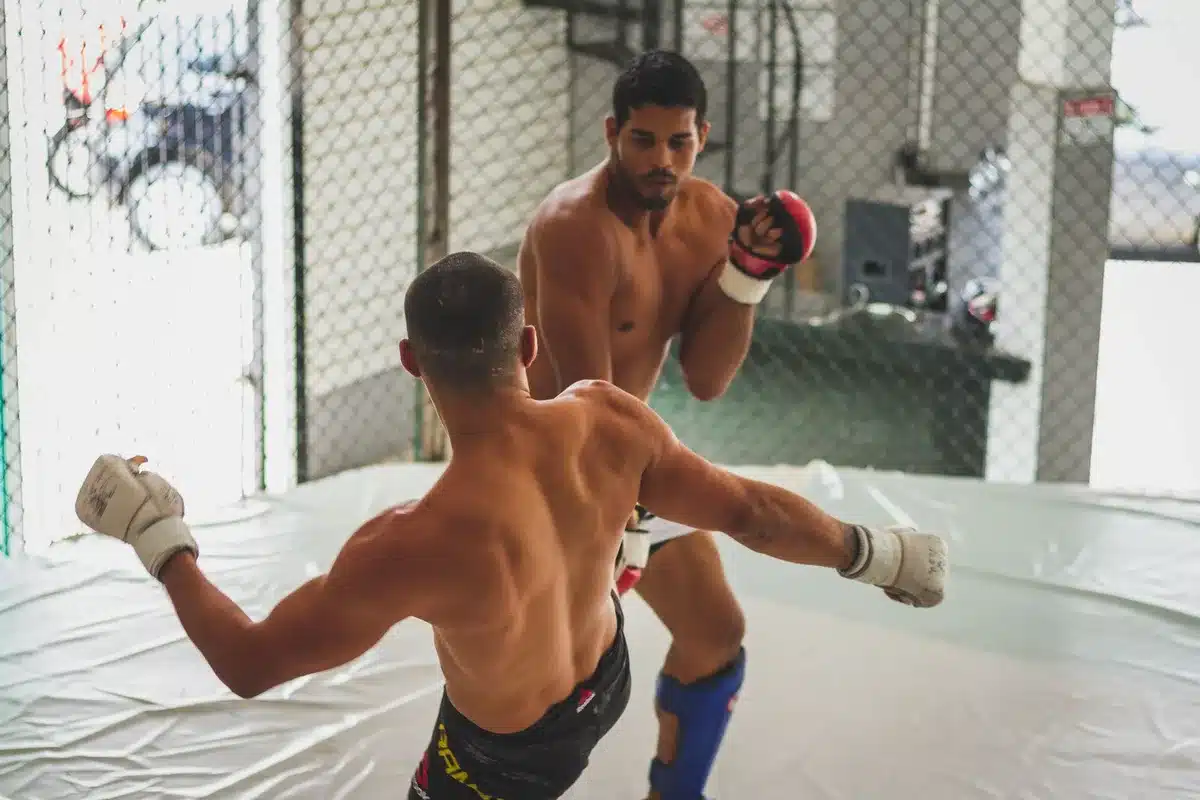
Saturday’s main event in Sacramento pits Anthony Hernandez against Gregory Rodrigues in a matchup that could determine a spot in the middleweight top 10. Beyond the headline names, the fight is a classic stylistic test: a high-volume grappler looking to grind opponents down versus a heavyweight striker who can end the contest at any moment.
The standup contrast: precision versus one-punch risk
UFC Sacramento: key fight stats shaping tonight’s main event
Grandmother surprised at final chemo with tearful family reunion
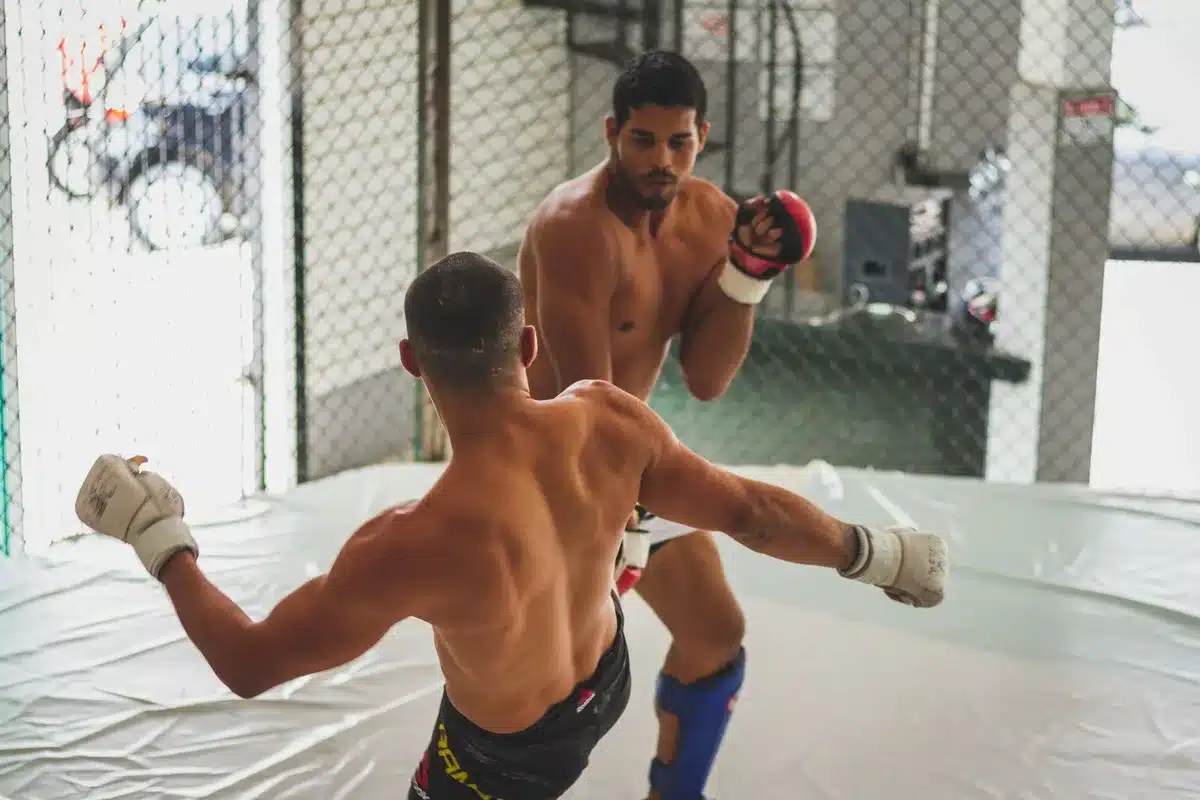
Rodrigues arrives as the taller fighter by roughly three inches while both men measure a 75-inch reach. On the feet he seeks to overwhelm with heavy, committed shots and early finishing intent. That approach yields highlight moments but also leaves him open during brawls, particularly in sustained in-and-out exchanges.
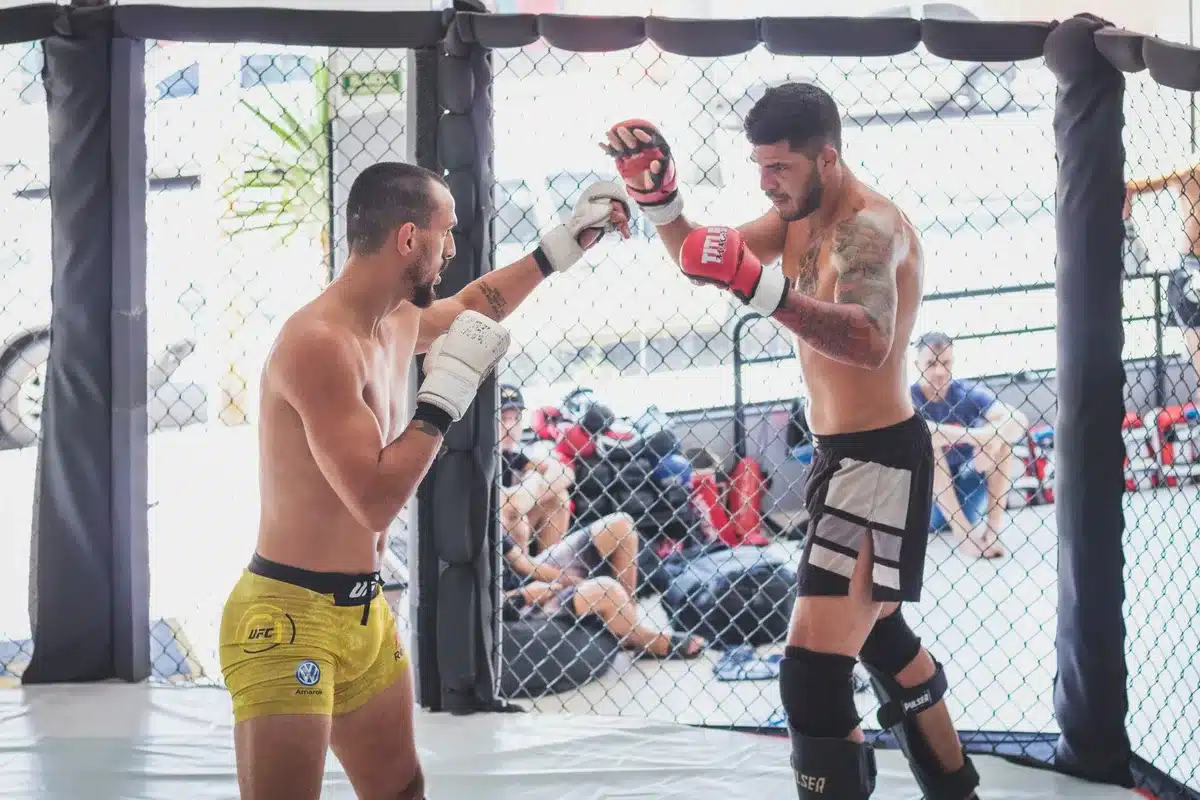
Hernandez, by contrast, is not built around thunderous single blows. His striking is compact and deliberate — designed to create openings rather than to score an immediate knockout. More importantly for his strategy, those strikes are tools to bridge distance and begin the wrestling phase where he is most dangerous.
| Anthony Hernandez | Gregory Rodrigues | |
|---|---|---|
| Significant Strikes Landed (SLpM) | 4.57 | — |
| Striking Accuracy | 60% | — |
| Strikes Absorbed (SApM) | 3.10 | — |
| Wins by KO/TKO | 3 | — |
| Takedowns per 15 min. | 5.88 | — |
| Takedown Accuracy | 48% | — |
| Takedown Defense | 68% | 75% |
| Wins by Submission | 9 | — |
Who controls the tempo matters most
Rodrigues has shown he can stop fights early with heavy blows, but that reliance on explosive offense leaves a clear vulnerability: if the fight becomes a drawn-out grappling match his output often drops. On those nights, his energy reserves and ability to maintain pace become decisive.

Hernandez’s game plan is simple and relentless. He presses, shoots, and drags opponents into prolonged scrambles where he can chain takedowns and work from dominant positions. Averaging close to six takedowns per 15 minutes, his approach is predicated on endurance and relentless pressure rather than sporadic power bursts.
- For Rodrigues: land a damaging shot early, mix feints with counters, and avoid carrying Hernandez against the fence for extended periods.
- For Hernandez: turn exchanges into clinches, sustain a high takedown cadence, and convert scrambles into control time and submission opportunities.
- Key edge: Hernandez benefits from sustained wrestling; Rodrigues benefits from explosive, fight-ending moments.
Implications for rankings and the fighters’ futures
A win in Sacramento carries immediate consequences. Hernandez advances toward a top-10 berth if he can impose his grappling blueprint, reinforcing the division’s depth of high-pressure wrestlers. Rodrigues, meanwhile, needs an unmistakable finish or a dominant striking display to jump ahead — defending takedowns alone may not be enough to sway judges if he’s consistently pressed into defensive positions.
Practically, this is a crossroads fight: a victory for Hernandez underlines the durability of a grind-heavy path to contention; a Rodrigues knockout would reassert power striking as a fast track up the ladder. Either outcome reshapes matchmaking priorities and who the UFC considers next for middleweight contenders.
Expect the decisive moments to be clear and binary — either an early heavyweight-style stoppage or a late grappling attrition that surfaces the better-conditioned wrestler. Which path will play out at the Golden 1 Center: Rodrigues’ flash power or Hernandez’s grinding consistency?