Show summary Hide summary
This Labor Day (Monday, Sept. 7, 2026) most retail stores will be open, but federal services and major financial systems will not — a combination that affects errands, banking and anyone planning market activity. Knowing what closes and what stays running can save time and prevent last‑minute disruptions.
As a federal holiday, Labor Day pauses many public functions. Expect federal buildings, most local government offices and the U.S. Postal Service to be closed for the day. That ripple extends to courthouses and many municipal services that observe the holiday.
Which services are closed
Free fall clothing and household items in Kankakee: Still I Rise hosts community giveaway
Online poker teeters after massive cheating scandal: industry and players hit hard
Closures are concentrated in government and regulated financial activity. The practical fallout matters for scheduling, payments and legal deadlines.

- Government offices: Federal agencies and many local offices will be closed or operating on holiday schedules.
- Banks: Most brick‑and‑mortar branches and regular banking services are closed; ATMs remain available for cash withdrawals.
- Stock market: Major U.S. exchanges such as the NYSE and Nasdaq do not open on Labor Day, so regular market trading is suspended.
- Postal service: USPS facilities do not deliver mail or accept retail transactions on the holiday.
What stays open
Private businesses generally set their own hours. Retailers often advertise holiday sales and extended hours, while essential services keep running.

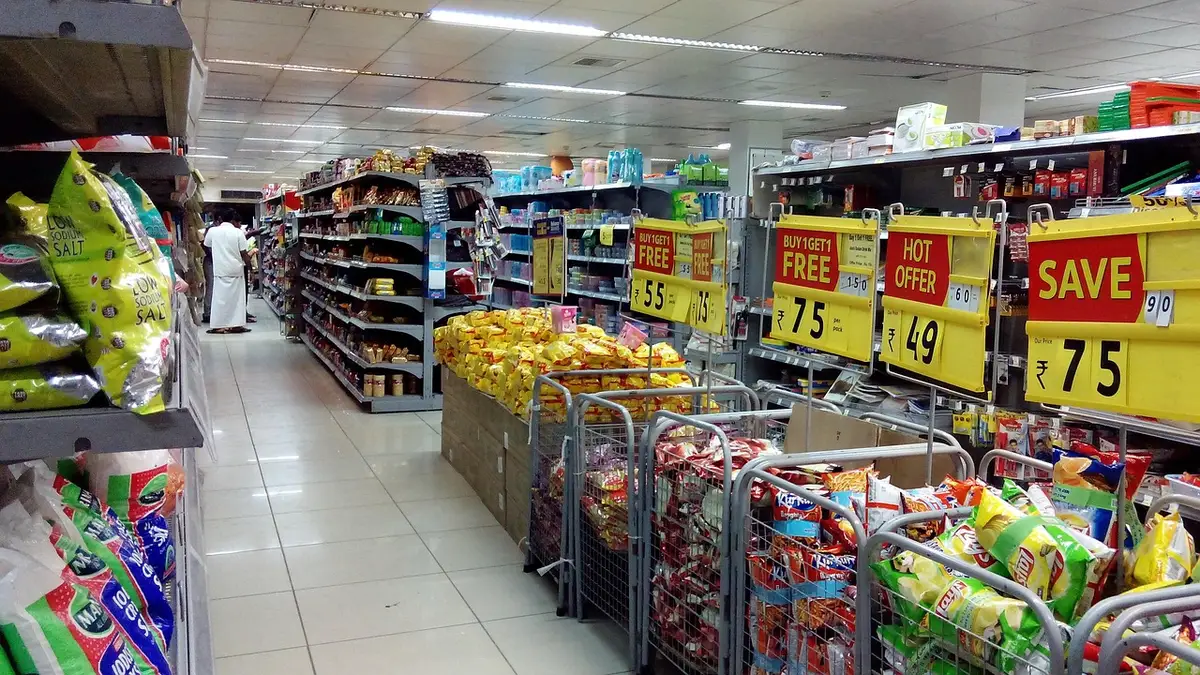
- Retail stores and malls: Most national and regional retailers open, though hours may vary and some outlets may run reduced staff.
- Grocery stores, pharmacies and gas stations: Typically open, useful for last‑minute supplies or prescriptions.
- Restaurants and entertainment venues: Many operate on holiday schedules; reservations and longer waits are common.
- Airports and public transit: Airports operate normally; transit agencies may run weekend or holiday timetables — check local schedules.
- Hospitals and emergency services: Medical centers, emergency rooms and 911 remain available.
Practical implications are immediate. If you planned to file paperwork with a government office, submit certified mail, attend a court date or make an in‑branch banking transaction, you’ll need to reschedule or find alternatives. Market participants should remember that exchange closures halt regular trading; settlement timelines and deadlines tied to business days shift accordingly.
Before you head out, check a few things: local branch or store hours, your bank’s online services for bill payments, and your broker’s holiday policy if you trade securities. For deliveries and shipments, expect delays when a holiday interrupts postal and some carrier schedules.
Quick checklist
- Confirm hours for any government office or court appointment.
- Use online banking or ATMs for urgent transactions; don’t assume branches will be open.
- Plan around the stock market closure if you trade or follow investment news.
- Call ahead to stores or restaurants to avoid unexpected closures or long lines.
Labor Day reshuffles the daily calendar: retail activity resumes while public‑sector and market operations pause. A few minutes of planning will reduce friction and keep your schedule on track.