Show summary Hide summary
A months-long disruption in the Strait of Hormuz has tightened global oil supplies and sent fuel prices sharply higher, enriching large oil companies and sharpening a political debate in Washington over whether to tax those gains. The developments are affecting household budgets, travel costs and refinery profits — and have prompted lawmakers to propose measures aimed at returning some of the windfall to consumers.
How prices and supplies shifted
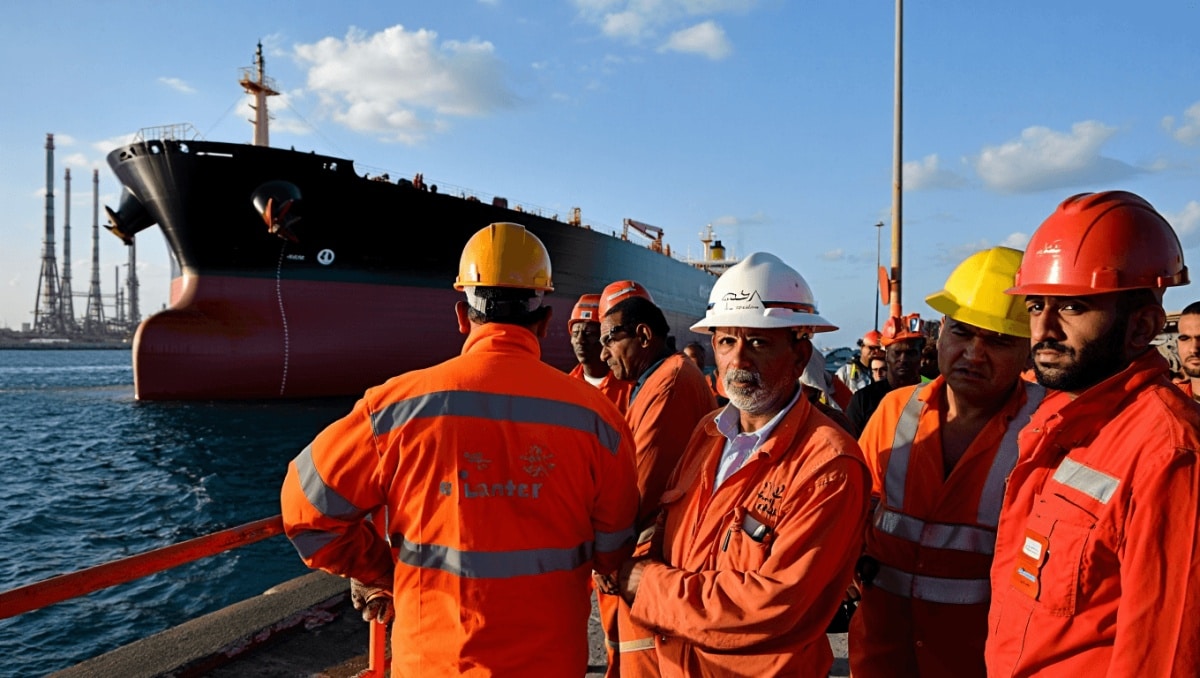
When shipments through the narrow shipping lane feeding a large share of the world’s oil and gas flows were curtailed, benchmark prices jumped. Brent crude climbed from roughly $70 a barrel earlier in the year to more than $100 for weeks, touching about $126 at one point. The higher energy bill has translated quickly into steeper costs for gasoline, diesel and jet fuel.
Trump hints at imminent Strait of Hormuz agreement: shipping may resume this week
July sports highlights: 10 must-see moments that defined the month
Consumers felt the impact at the pump and on airfares. The U.S. average for regular gasoline, which had been below $3 a gallon before the violence escalated, rose to roughly $4.11, an increase of about $1 compared with the same time last year. Some countries faced fuel shortages and temporary rationing, and public services in a few nations were disrupted by energy shortfalls.
Big oil posts outsized gains
Major integrated producers and refiners capitalized on the tighter market. Exxon Mobil reported second-quarter net income of approximately $14.5 billion, driven in part by record diesel output, on about $116 billion in revenue. Chevron posted about $12.1 billion in profit and roughly $70 billion in revenue for the quarter. Across Europe, six large oil firms recorded combined first-quarter profits near $22 billion, more than 40% higher than a year earlier.
Industry analysts say the most lucrative returns have come at the refining level, where companies convert crude into finished fuels. With global refining capacity constrained — and shipments from some exporters reduced — margins on diesel and jet fuel surged, boosting refinery earnings even when throughput fell.
- Price spike: Brent rose from around $70 to over $100 a barrel for several weeks.
- Company profits: Exxon and Chevron reported multi-billion dollar quarterly profits tied to refining and fuel sales.
- Consumer pain: U.S. pump prices rose roughly $1 per gallon versus last year; fuel rationing occurred in some markets.
- Market imbalance: Shortages of refined products, especially jet fuel and diesel, tightened supplies worldwide.
Lawmakers press for a windfall tax
In Congress, Democrats introduced legislation in March proposing a targeted tax on unusually large oil company profits starting in 2026, with proceeds intended for consumer relief. The proposals would levy a per-barrel surcharge on firms that produced or imported at least 300,000 barrels per day in 2025. Supporters say a temporary levy would ease pressure on families without cutting social programs.
Opponents — including industry executives — warn such a tax could deter future investment. Exxon’s chief executive told investors that previous windfall levies in Europe led the company to reconsider planned projects there, arguing that policy uncertainty can have long-term consequences for energy infrastructure.
Why refiners are benefitting most
Refineries with steady access to crude have been the primary beneficiaries. With damage to some facilities abroad and reduced exports from certain countries, operators with available crude stocks and processing capacity have seen returns rise sharply.
“Companies that control refining capacity are reaping the rewards,” said a university energy economist, noting that diesel prices in the U.S. have risen markedly compared with pre-disruption levels. That gap pushed refinery profit margins higher, even where overall volumes processed were lower.
Winners and losers across the sector
The gains are not uniform. U.S.-based producers and global majors with diversified operations have generally fared well because they can sell into higher-priced markets. But firms and countries that cannot export freely — due to damaged infrastructure, shipping constraints or security costs — have seen revenues fall and expenses rise.
Some traders and refiners who had crude stored and available on the spot market were able to benefit earlier in the price surge, while others only saw the upside once higher prices persisted into April and beyond.
What this means for consumers and policy
The immediate consequence is higher costs for everyday goods and travel: fuel is an input into transport, manufacturing and agriculture, so sustained price increases risk feeding through to broader inflation. At the same time, the political debate over windfall taxation reflects a tension between short-term relief for households and concerns about investment and supply-side responses in the energy sector.
Policymakers face choices about whether to pursue temporary levies, targeted rebates or other mechanisms to cushion consumers — and how to do so without discouraging production and refining capacity that would help stabilize markets over time.
The situation remains fluid: continued disruption in the shipping lane or recovery of export flows could swing prices and corporate earnings in either direction, keeping the economic and political stakes high for governments, businesses and consumers alike.