Show summary Hide summary
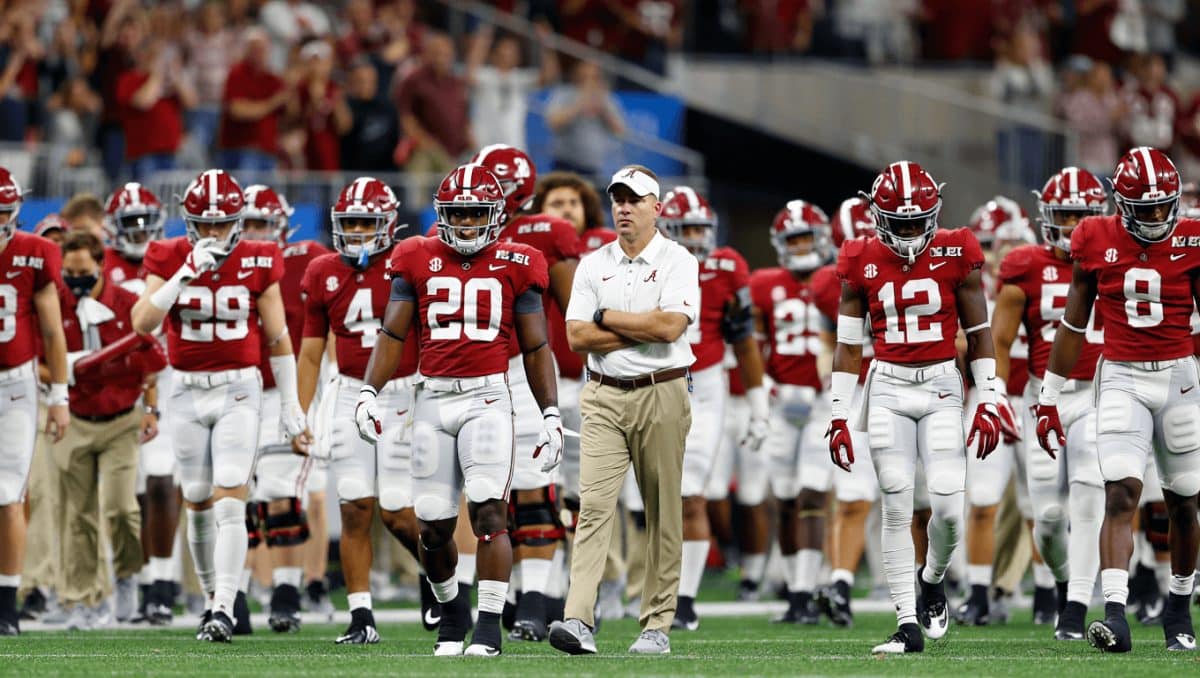
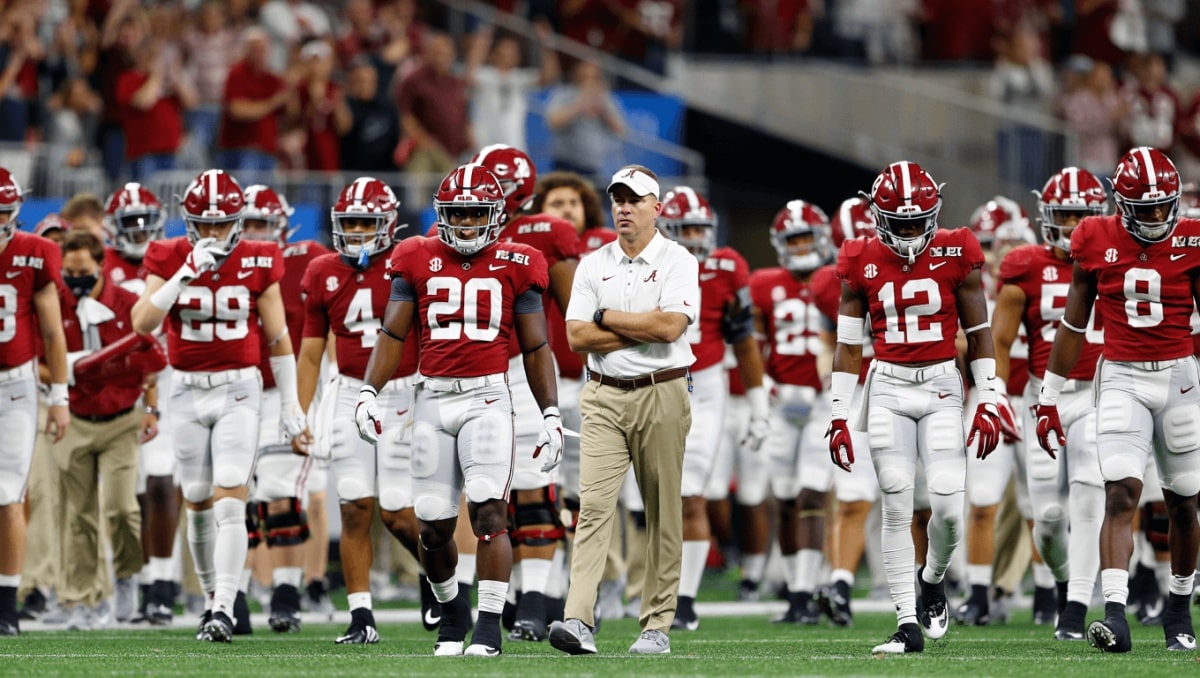
Three years into Kalen DeBoer’s run at Alabama, the program looks less like an automatic title favorite and more like a top-tier contender facing real questions. With the 2026 season about to unfold, problems along the line of scrimmage and uncertainty under center are reshaping expectations and could decide whether the Tide return to the playoff conversation.
Quarterback room: proven coaching, young options
DeBoer has developed a reputation for getting the most from his quarterbacks, and that could blunt concerns about the position this fall. The competition between Keelon Russell and Austin Mack promises competent play — whoever wins the job will benefit from scheme and coaching continuity.
Trump hints at imminent Strait of Hormuz agreement: shipping may resume this week
July sports highlights: 10 must-see moments that defined the month
That said, depth at receiver matters. Alabama’s top target, Ryan Coleman-Williams, remains a legitimate weapon, but the supporting cast is thin. Cornerstones such as Noah Rogers are returning from injury, and his availability early in the season is uncertain. Short-handed receiving groups paired with a shaky running attack will put additional pressure on any young starter.
Offensive line and running game: the critical weakness
Last season exposed Alabama’s front five. The Tide allowed more than 30 sacks and recorded one of the lowest rushing outputs in the country — weaknesses that are hard to mask for long. Rebuilding or retooling an offensive line takes time, and there’s no clear evidence that the unit has been fixed during the offseason.
When an offense can’t consistently generate yards on the ground, playcalling narrows and quarterbacks face more high-leverage situations. Even with a polished passing game plan, repeated third-and-long and collapsing protection on dropbacks will limit ceiling and increase turnover risk.
Defense: secondary strength, edge inconsistency
The defense still projects to be a solid unit, particularly in the secondary. Alabama should once again field strong play in the defensive backs, a staple that keeps the team competitive in tight games.
But the pass rush is less convincing. The loss of several contributors to the transfer portal has thinned depth at the edge, and last year’s front-seven struggled to create consistent pressure against complex offenses. Against teams with advanced play callers and balanced attacks, that could become a decisive disadvantage.
- What to watch — Quarterback clarity: how quickly Russell or Mack settles into game rhythm.
- Offensive line — Can the starters hold up in early-season physical matchups?
- Pass rush — Will new or returning defenders generate consistent QB pressure?
- Key injuries — The timing of Noah Rogers’ return and other early-season health issues.
- Schedule swings — How Alabama handles top-tier conference tests (see below).
Schedule and stakes
The Tide’s slate includes several games that will be decisive for postseason hopes: matchups with Georgia, at Tennessee, Texas A&M, and at LSU stand out as likely measuring sticks. On paper, Alabama might be a small favorite in some of those contests, but game-day dynamics — injuries, line play, and turnover margin — will be decisive.
Oddsmakers currently list Alabama’s win total around 8.5. Given the combination of a suspect offensive line, questions about depth, and a rugged conference schedule, finishing around eight wins is plausible. That outcome would leave Alabama competitively strong but short of the program’s long-held championship benchmark.
Why this matters now
For Alabama, the margin for error is thin. The modern college football landscape — amplified by transfers and NIL — has leveled many traditional advantages. A single phase of play (protection up front or consistent pass rush) slipping below elite level can swing a season from playoff contention to rebuilding conversation.
DeBoer’s third season will therefore be watched closely not as a developmental year but as an indicator of whether Alabama can reassert itself at the very top, or whether the program’s trajectory is settling into a narrower tier among the nation’s best but not its very elite.
Practical implications are immediate: recruiting momentum, transfer-market positioning, and fan patience all hinge on results this fall. Small margins in critical games will determine whether Alabama meets its internal standard—or has to recalibrate expectations in the post-NIL era.