Show summary Hide summary
New U.S. import duties announced this week take effect as a prior, temporary 10% global tariff expired, renewing debate over whether the measures are aimed at stopping forced labor or simply restoring trade protection by other means. The duties — set at either 10% or 12.5% — apply to countries the administration says have not properly enforced bans on goods made with forced labor, a determination that has ignited diplomatic and industry pushback.
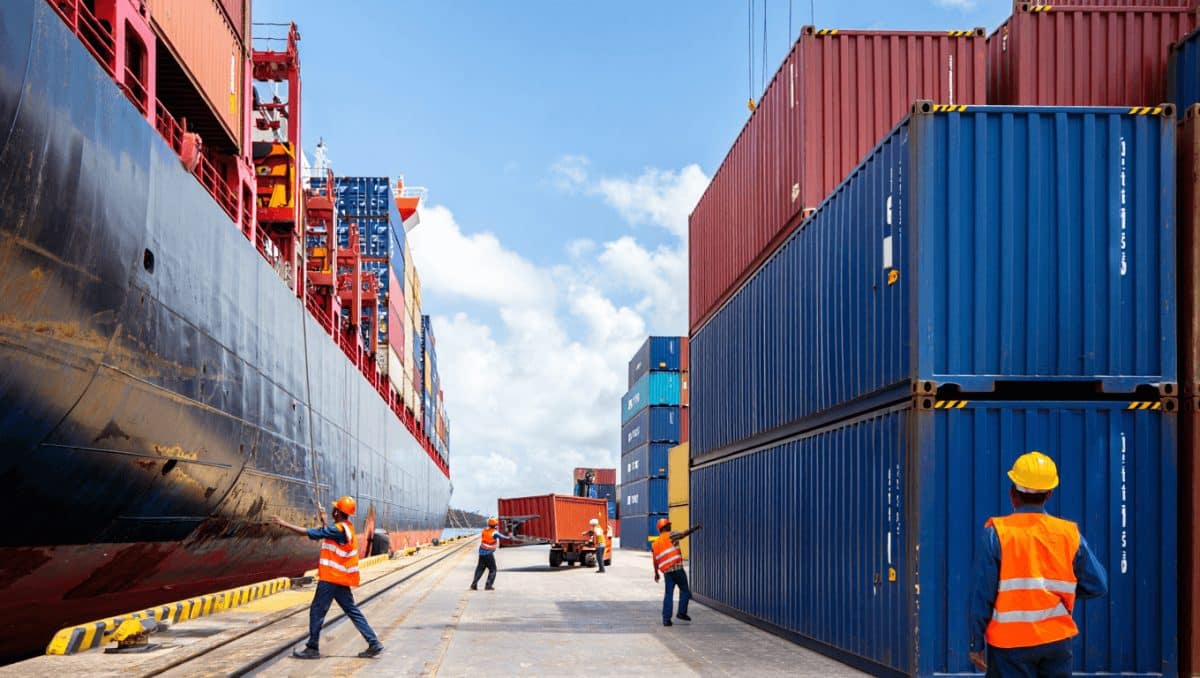
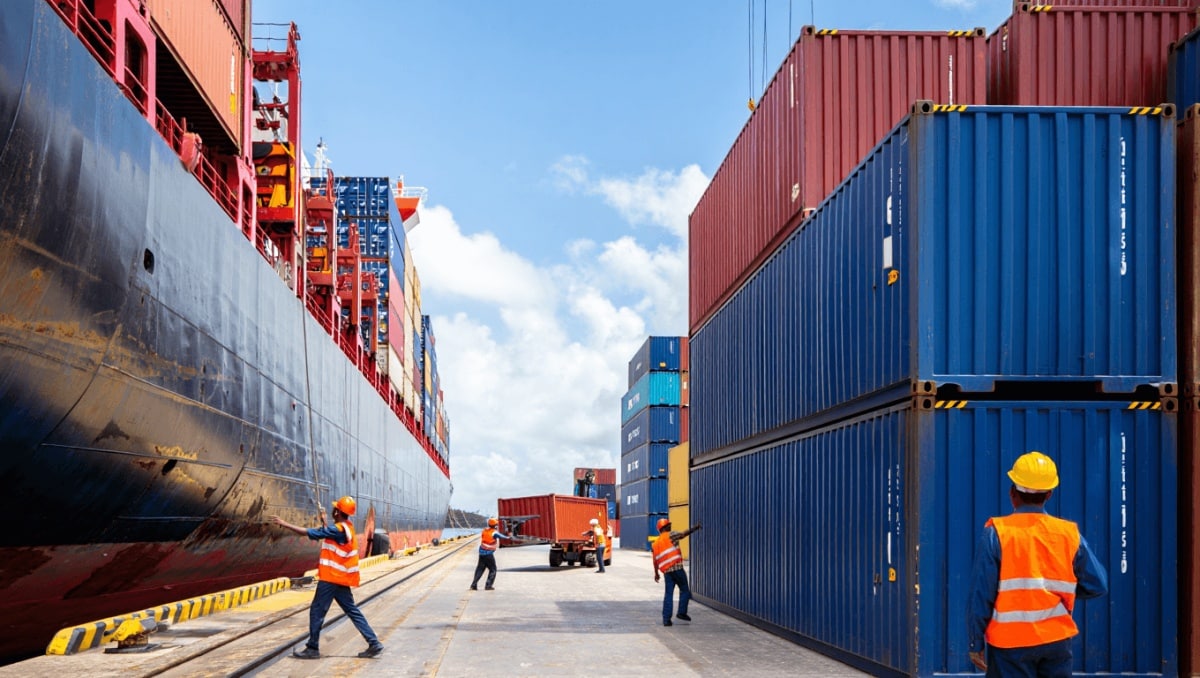
The tariffs matter now because they cover nearly the entire flow of goods into the United States and could reshape supply chains, prices and trade diplomacy in the months ahead.
Legal route and political context
Trump tariffs target forced labor: could they quietly sidestep Congress?
Celtics’ grip on the East teeters after recent losses
The administration used powers under Section 301 of the Trade Act of 1974 to impose the duties, a mechanism that allows the executive branch to levy trade penalties without first seeking congressional approval. Section 301 has been deployed before — notably during previous disputes with China — and critics say invoking it here is a way to revive tariff tools after courts curtailed other global tariff efforts earlier this year.
U.S. officials say the move targets 60 economies that the government reviewed over roughly four months. The Office of the United States Trade Representative said it carried out two public hearing rounds and collected more than 2,100 comments; details of bilateral discussions with affected partners were not publicly released, citing confidentiality.
Evidence and enforcement: a thin line
Trade experts note that it is usually straightforward to verify whether a country has formal laws banning forced-labor imports. The harder question is whether those laws are enforced in a way that satisfies U.S. officials — and that assessment is less transparent.
Some analysts and critics argue the evidentiary basis is weak, pointing to countries with strong track records on labor rights that nonetheless received the same tariff levels as nations with documented problems. That has led to skepticism from economists and trade lawyers who worry the process lacks clear, measurable criteria for lifting duties.
Global rebukes and industry complaints
Governments hit with tariffs were quick to protest. Authorities in several major trading partners called the penalties arbitrary and disproportionate, with some saying the U.S. lumped together countries with very different labor enforcement records.
Industry groups have also raised alarms. The U.S. textile sector, for example, criticized an exemption scheme that spares textile and apparel imports from four countries — Bangladesh, Cambodia, Indonesia and Malaysia — when tied to U.S. cotton and textile shipments. Domestic manufacturers warned that such carve-outs could undercut producers the administration says it wants to protect.
Background: U.S. forced-labor law and past gaps
The United States enforces forced-labor restrictions through several statutes. Customs authorities have long had the power under the Tariff Act of 1930 to block imports suspected of involving forced labor, though a long-standing exception for “consumptive demand” — allowing imports when domestic supply was insufficient — was removed by 2016 legislation.
More recently, the Uyghur Forced Labor Prevention Act set a firm presumption that goods from China’s Xinjiang region are barred unless companies can demonstrate otherwise. Yet high-profile investigations over the past decade have repeatedly shown that goods produced under abusive labor conditions — including seafood from parts of Southeast Asia and palm oil linked to plantations in Asia — have entered global supply chains and reached U.S. consumers.
What this means for businesses and consumers
- Price pressure: Tariffs of 10%–12.5% could raise costs for import-dependent retailers and manufacturers, with potential retail price increases for consumers.
- Supply-chain reworking: Importers may reroute sourcing, accelerate reshoring, or seek alternative suppliers to avoid duties, creating short-term disruption in certain sectors.
- Sectoral winners and losers: Textiles, apparel, seafood and certain agricultural commodities are likely to feel the most immediate impact.
- Trade tensions: Diplomatic pushback could complicate cooperation on labor enforcement and other policy areas.
- Regulatory uncertainty: Countries that do adopt or tighten laws will still need to demonstrate enforcement to Washington’s satisfaction before relief is likely.
Calls for clearer benchmarks and assistance
Business groups and trade lawyers who participated in the administration’s hearings urged a more transparent, structured approach: defined, measurable benchmarks tied to tariff relief and technical assistance to help trading partners build enforcement capacity. Advocates say that without visible criteria and outside support, the duties risk becoming a permanent surcharge rather than a tool to eliminate forced labor from supply chains.
Observers expect legal challenges and sustained diplomatic negotiations. In the short term, companies that rely on imports should prepare for higher costs and possible shifts in sourcing; policymakers who want to reduce forced labor in global supply chains face a choice between punitive measures and cooperative capacity-building — or some combination of both.