Show summary Hide summary
Rising airfare and fuel costs are nudging many Americans to trade long-haul vacations for short drives and overnight getaways this summer — a shift sharpened by events such as the FIFA World Cup and the nation’s 250th anniversary. That matters now because more money being spent close to home could reshape local economies and even alter the country’s balance of tourism spending.
Automobile club AAA projected roughly 72.2 million people would travel at least 50 miles from home between June 27 and the July Fourth holiday weekend — a marginal increase of about 0.5% from last year’s Independence Day period. But the lift is driven almost entirely by travelers using alternative transport such as cruises, buses and trains; AAA expects the number of people who will drive or fly to remain essentially unchanged.
Local businesses stand to gain
Michael Page dropped from UFC rankings despite victory: what it means for his career
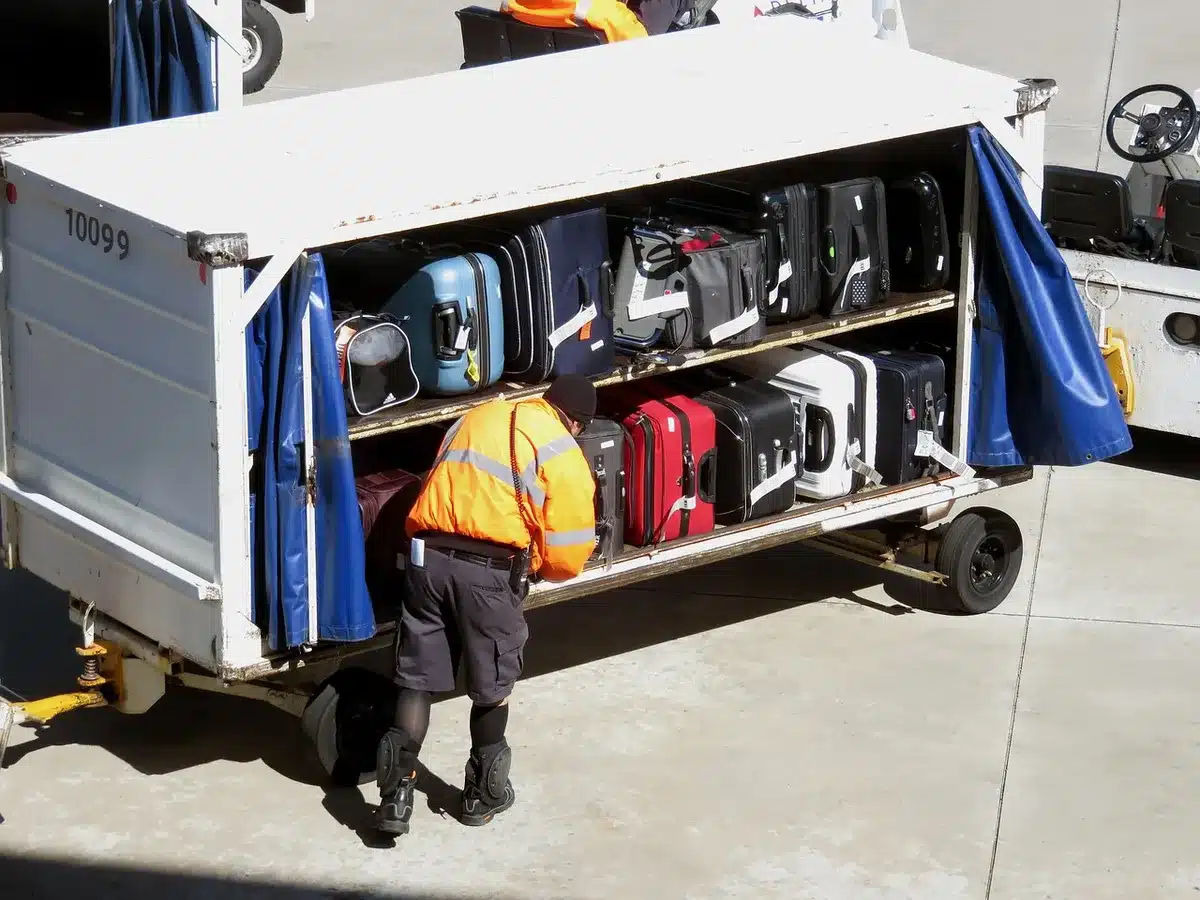
Viral video shows 81-year-old delivery worker struggling with heavy luggage
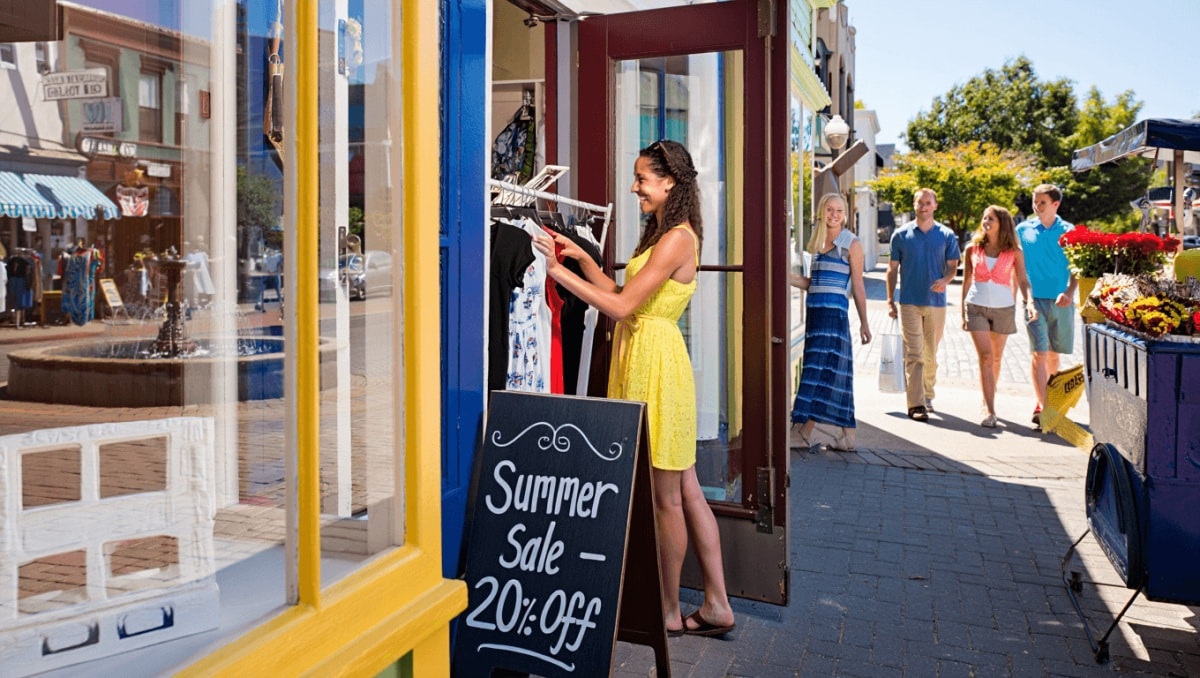
Hospitality researchers say the tendency to stay closer to home is redirecting vacation dollars into neighborhood economies. Tarik Dogru, an associate professor at Florida State University’s hospitality college, says smaller restaurants, regional attractions, short-term rental hosts and roadside vendors are likely to see more customers as families trade overseas or cross-country trips for cheaper, nearby options.
That reallocation of spending carries a macroeconomic consequence: if Americans continue to curb long-distance and foreign travel, it could chip away at the United States’ persistent tourism trade gap. Since 2020, U.S. residents have consistently spent more abroad than inbound international visitors have spent here, according to the National Travel and Tourism Office.
For many households the choice is practical rather than recreational. Morgan Kain, a Baltimore teacher, said her family has scaled back from several extended trips — including last year’s time in Italy — to a few short stays and a week at a nearby lake because everyday travel expenses have risen.
Drive-up demand reshapes popular destinations
Even with higher pump prices, AAA estimated that about 85% of holiday-week travelers still planned to reach their destinations by car, reflecting the relative cost advantage of driving compared with flying for many families.
That pattern shows up around Lake Tahoe, where several rental and recreation businesses report stronger-than-expected activity. Ron Williams, owner of a watersports rental shop, had feared a downturn but instead has seen steady demand and growth in future bookings compared with last year. Operators say many guests are arriving from other West Coast cities within driving distance.
Property managers in the region have noticed shifts in visitor behavior too. Jerry Bindel, who oversees rental units for a hospitality company, said guests are increasingly using unit kitchens and outdoor grills instead of dining out — a small but telling sign that vacationers are trimming incidental costs while still spending on lodging and activity rentals.
Smaller excursions revive local attractions
In Asheville, North Carolina, a post-storm recovery is being helped by day-trippers and regional travelers. Aubrey Anderson, who runs a river tubing outfitter on the French Broad River, reduced staff after severe flooding last fall but rehired as demand returned this season. Many customers now make brief drives in from neighboring states for a few hours on the water, then stop at nearby eateries, breweries or shops — generating quick-turn spending across the city.
Local producers are seeing the same pattern. Jael Skeffington, CEO of a chocolate maker in Asheville, reports a surge in factory-tour visitors this summer, with many tour-goers buying café items and packaged products before they leave.
Major events concentrate spending in host cities
The World Cup has brought a visible bump to cities hosting matches. In Kansas City, specialty shops and neighborhood cafes report steady foot traffic tied to tournament crowds and fan gatherings. Made in KC, a retailer with multiple locations, has seen spikes across its storefronts and brisk sales of tournament-themed merchandise, particularly from visitors coming by car from surrounding Midwestern cities.
Local restaurateurs say Kansas City’s relatively lower costs for lodging and meals, compared with some larger host markets, make it an attractive and affordable option for families traveling to see matches.
- Who’s driving the change: Higher airfare and fuel prices, major sporting events, and national celebrations encouraging short trips.
- Where money flows: Regional restaurants, short-term rentals, outdoor and recreation services, and retail tied to experiences.
- Behavioral shifts: More day trips and overnight stays within driving distance; greater use of rental kitchens and DIY meals to cut costs.
- Possible national effect: Reduced outbound travel could narrow the U.S. tourism trade deficit if the trend persists.
For small operators and city economies, the summer’s pattern offers a mixed but hopeful picture: fewer long-haul tourists, but steadier local spending. If the preference for nearby breaks continues into the fall, communities that cater to drive-in visitors and family-friendly experiences may see a lasting uplift in revenue.