Show summary Hide summary
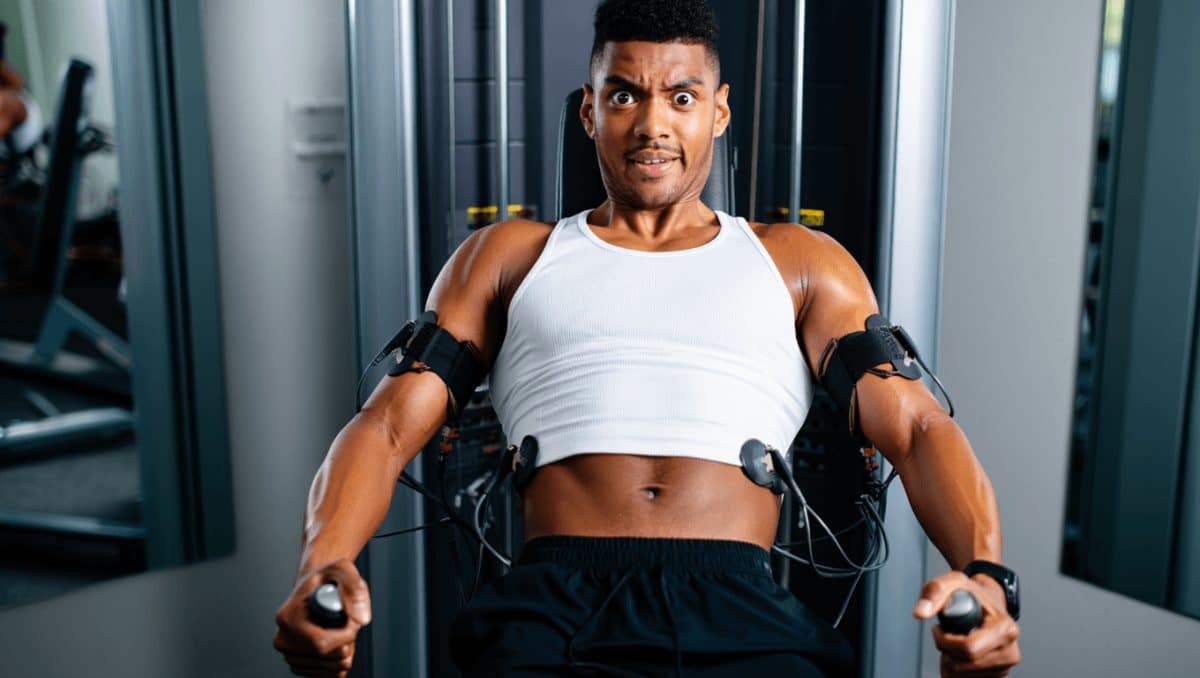
When Lawrence signed up for a studio session of high-tech electric workouts, he expected a novelty—what he found was a short, intense experience that raised questions about efficiency, safety and whether this tech belongs in every gym bag. As boutique studios and home devices push electric muscle stimulation into the mainstream, consumers and clinicians are sorting out who benefits and who should be cautious.
The session began with a technician fitting Lawrence into a neoprene suit dotted with electrodes. The machine delivered timed electrical pulses that made his muscles contract while he performed light movements. The entire workout lasted about 20 minutes, yet left him unusually fatigued—an effect proponents call time-efficient strength training.
How the technology works and what it promises
EMS devices send low-frequency electrical currents to nerves, prompting involuntary muscle contractions that mimic the action of the central nervous system. Manufacturers and some studios promote EMS as a way to intensify resistance training, speed recovery, or compress a conventional workout into far less time.
Consumer sentiment improves with cheaper fuel: Americans still doubt economic outlook
Knicks championship crowns Jalen Brunson as a New York sports icon
Behind the marketing, the reality is more nuanced. Training under an EMS setup differs from traditional lifting: sessions are shorter, supervised, and highly parameterized (pulse duration, intensity, frequency). For users like Lawrence, that can translate into a rapidly noticeable burn—but also into an unfamiliar sensation that may not suit everyone.
Immediate impressions and practical trade-offs
Lawrence reported several concrete takeaways after a few sessions: the workouts felt efficient, trainers closely managed intensity, and recovery needs were unpredictable. He noted muscle soreness the next day that was both deeper and more generalized than soreness from standard resistance exercises.
- Session length: Usually 15–25 minutes under supervision.
- Intensity control: Operators adjust current in real time, which affects perceived exertion.
- Recovery: Soreness can be pronounced; adequate rest between sessions is essential.
- Cost and access: Boutique classes and specialized devices tend to be pricier than conventional gym visits.
What the evidence and experts say
Researchers have tested EMS in a variety of settings—rehabilitation, athlete conditioning and consumer fitness—but results are mixed. Some studies suggest benefits for strength and muscle activation when EMS is combined with voluntary exercise, while other work shows modest or no advantage over well-structured traditional training.
Clinicians emphasize that quality of supervision matters. Poorly administered currents, excessive frequency of sessions, or improper settings can increase risk without adding meaningful gains. For people with underlying health issues, the stakes are higher.
Who should think twice
EMS is not universally safe. Medical professionals typically advise caution for anyone with implanted electronic devices, certain cardiac conditions, epilepsy, or for pregnant people. Even healthy users should be wary of overdoing frequency or intensity.
Practical guidance for prospective users:
- Consult a healthcare provider before trying EMS if you have medical conditions.
- Start with low intensity and work only with accredited or experienced operators.
- Limit sessions to recommended intervals—most studios recommend no more than one or two sessions per week.
- Watch for excessive muscle pain, dark urine, dizziness or unusual symptoms and seek medical attention if they occur.
Where it fits in a training program
For some, EMS offers a useful complement to traditional workouts—especially when time is limited or during specific rehab phases. For others, it may feel like an expensive shortcut with uncertain long-term benefits.
Lawrence’s verdict landed in the middle: he appreciated the convenience and the novelty, but he did not see EMS replacing regular strength and aerobic work. Instead, he considered it a targeted tool—best used sparingly, with professional oversight and clear fitness goals.
As EMS equipment becomes more common in studios and at-home markets, readers should weigh potential gains against cost and health considerations. The technology is evolving quickly, and staying informed about safety guidelines and emerging research will matter as adoption grows.