Show summary Hide summary
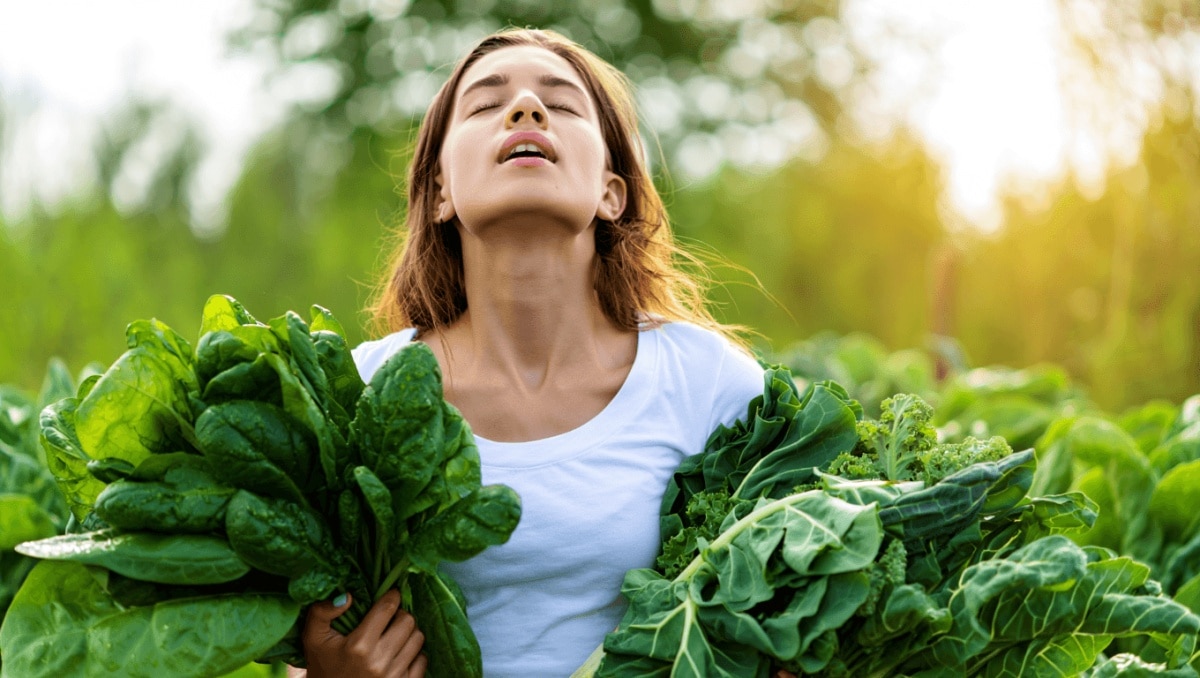
Eating an extra portion of leafy greens may do more than boost your plate — a new large-scale study links higher intake of plant-based vitamin K1 with stronger lung function and a lower chance of developing chronic obstructive pulmonary disease (COPD). The finding arrives as respiratory illnesses remain a major global killer, making simple dietary shifts potentially meaningful for prevention.
Researchers from Edith Cowan University analyzed health and diet data from 179,062 people tracked for about 10½ years and reported their results in The American Journal of Clinical Nutrition. After adjusting for common risk factors, those with the highest **vitamin K1** consumption showed better lung performance and about a **16% lower likelihood of COPD** compared with people who ate the least.
What the study found and why it matters
The association was strongest among current or former smokers and among participants in occupations with high exposure to dust or fumes — groups already at elevated risk for chronic lung disease. The team did not find a similar protective link for **vitamin K2**, the form typically found in fermented foods, eggs and some animal products.
Consumer sentiment improves with cheaper fuel: Americans still doubt economic outlook
Knicks championship crowns Jalen Brunson as a New York sports icon
Lead authors note that while treatments exist for asthma and COPD, both conditions are largely managed rather than cured, and public health approaches that reduce risk are needed. Given the worldwide burden — millions of deaths and hundreds of millions affected — modest, achievable changes in diet could have public-health relevance if the association reflects a causal relationship.
Possible biological explanation
Associate Professor Marc Sim, who contributed to the investigation, says the benefits may stem from vitamin K’s role in activating proteins that help preserve the lung’s connective tissue, keeping airways more resilient and less prone to progressive damage. The study itself is observational, so it cannot prove cause and effect; rather, it highlights a consistent link that merits further clinical research.
Chengfeng Li, another researcher on the project, emphasized the practical side: adding a single serving of leafy greens to a daily diet is an easy way to raise vitamin K1 intake — a low-cost, low-risk change for most people.
Practical sources of vitamin K1
| Food | Why it’s relevant |
|---|---|
| Spinach | Common, versatile leafy green rich in vitamin K1 |
| Kale | High K1 content and widely available |
| Broccoli | Vegetable form that contributes to daily K1 intake |
| Collard greens | Traditional leafy option with substantial vitamin K1 |
| Swiss chard, Brussels sprouts, turnip greens | Additional vegetables that help raise K1 intake |
- The study tracked a very large cohort over a decade, strengthening confidence in the observed patterns but still falling short of proving causation.
- Findings apply to diet-level intake of **vitamin K1**; supplements were not the focus of the analysis.
- Smokers and workers exposed to airborne irritants appeared to gain the largest relative benefit in this analysis, but quitting smoking and reducing occupational exposures remain the primary prevention strategies for COPD.
Limitations are clear: observational research can identify associations but cannot rule out all sources of bias or unmeasured confounding. Still, the study adds to a growing body of evidence linking plant-forward eating patterns to respiratory health and suggests a low-cost, actionable step — eating more leafy greens — that people can adopt now while researchers test the relationship further.