Show summary Hide summary
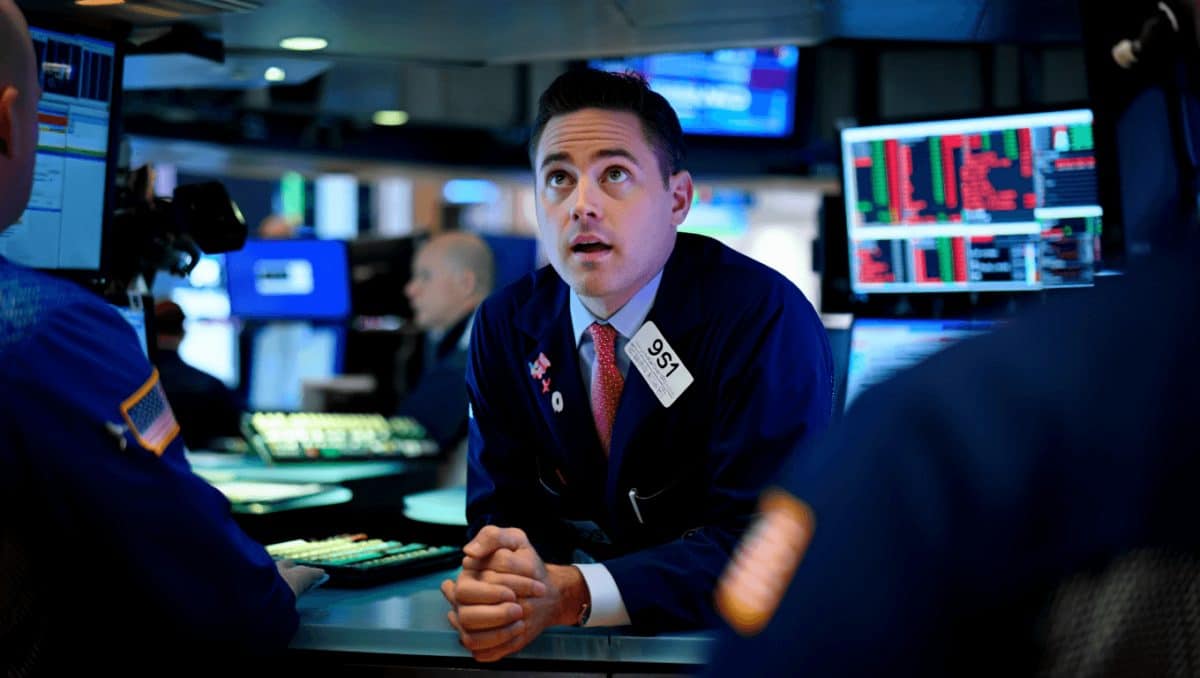
U.S. stocks ticked higher in midday trade, but the rally did not erase a monthly decline for major indexes driven by a pullback in artificial-intelligence names. The session underlined a familiar tension: strong market breadth on some days, yet lingering doubts about whether this quarter’s gains can be sustained.
Market snapshot
The S&P 500 climbed about 0.6% by midday, while the Nasdaq rose roughly 1.2% and the Dow added near 135 points (around 0.3%). Even with Tuesday’s gains, the S&P is still set to finish the month in the red after two prior strong months.
Consumer sentiment improves with cheaper fuel: Americans still doubt economic outlook
Knicks championship crowns Jalen Brunson as a New York sports icon
Much of this week’s volatility traces to the technology sector’s biggest winners. After a blistering run tied to expectations around artificial intelligence, several large-cap AI-related firms have retraced, weighing on index performance.
Nvidia was among the day’s strongest contributors, rising about 1.6% and trimming its monthly losses. Microsoft also moved higher, up roughly 0.7%, narrowing its June decline to under 18%.
Big movers and what they mean
- Nvidia — modest rebound, easing pressure on the broader market.
- Microsoft — small gain after heavy AI-related investments; still below May highs.
- Oracle — fell about 1.6% on the day and has slipped nearly 36% for the month amid investor questions over AI spending returns.
- Concentrix — plunged around 16.7% after quarterly revenue and profit missed analyst expectations.
Investors are finishing the June quarter with earnings season and guidance in focus. Stocks need convincing profit growth to justify the strong moves earlier in the quarter, and any signs that AI-related spending won’t pay off quickly are being punished.
Jobs, consumer mood and the economic backdrop
Two fresh economic reports offered mixed signals. Job openings at the end of May came in higher than economists had forecast, suggesting the labor market still has resilience.
At the same time, consumer confidence improved by less than expected. A Conference Board survey shows a rising share of Americans saying it’s difficult to find work, even while hiring data remain relatively firm — a disconnect that could shape spending in the months ahead.
Why this matters: persistent labor strength can keep inflation sticky, which in turn sustains the possibility of further interest rate moves from the Federal Reserve. That linkage is central to markets’ sensitivity right now.
Commodities, yields and overseas markets
Oil prices eased after an early uptick, with Brent crude down about 0.6% to roughly $73.50 a barrel. Markets were reacting after U.S. envoys arrived in Doha for talks tied to implementing an initial deal to end the conflict in Iran — discussions that could, if successful, help reopen shipping through the Strait of Hormuz and put downward pressure on oil prices.
The yield on the 10-year U.S. Treasury edged higher to around 4.40% from 4.38% late Monday, reinforcing comparisons between U.S. yields and those overseas.
Abroad, most major indexes were higher. Germany’s DAX rose about 1.5% and South Korea’s Kospi climbed roughly 1%. Japan’s Nikkei 225 advanced near 0.9% as the yen weakened toward multi-decade lows against the dollar, a trend that has prompted talk of possible policy steps by Tokyo.
Japan’s finance minister has signaled readiness to act “appropriately” if necessary, but so far comments remain cautious rather than definitive.
Markets enter the close of the quarter balancing upbeat pockets of demand with questions about whether earnings and productivity gains — especially from costly AI investments — will justify lofty valuations. That trade-off is likely to keep volatility elevated over the coming weeks.