Show summary Hide summary
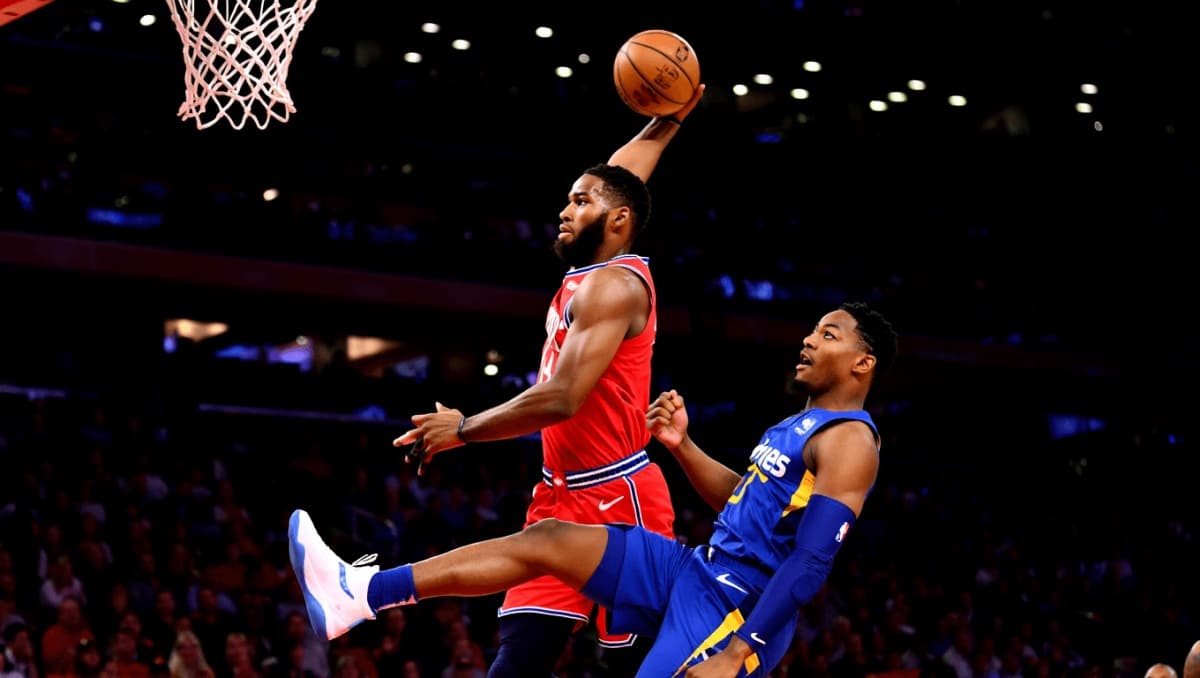
The current collective bargaining agreement has reshaped the league: it makes it harder for teams to lock in a long-term core and, intentionally or not, has boosted competitive balance across the NBA. That shift matters now as the offseason opens — roster moves, the draft and unsettled stars could decide whether the streak of different champions continues into 2027.
How the CBA changed the championship landscape
Changes to the salary structure and free-agent rules have limited the ability of contenders to hold together star-laden cores for long stretches. The result is a season-to-season churn in title favorites and more pathways for previously quiet franchises to contend.
Consumer sentiment improves with cheaper fuel: Americans still doubt economic outlook
Knicks championship crowns Jalen Brunson as a New York sports icon
One clear consequence: no team has repeated as champion since 2019, and new winners have emerged almost every year. For fans, executives and bettors alike, that unpredictability rewrites how value is assigned to trades, extensions and draft picks.
Where things stand today
Market signals are already visible. Early prediction markets give the Oklahoma City Thunder a noticeable, but not overwhelming, edge heading into next season — a sign that recent champions are still getting credit while the rest of the league remains within striking distance. The offseason is far from settled: the draft and free agency will shift rosters, and the availability of franchise stars such as Giannis Antetokounmpo could upend projections.
Against that backdrop, I’m looking for a ninth different champion in as many years. Based on roster construction, cap flexibility and organizational trajectory, the San Antonio Spurs stand out as a compelling candidate to keep the streak alive in 2027.
- Roster continuity: Teams that can retain a core without crippling cap constraints gain an edge.
- Front-office moves: Smart trades and targeted free-agent signings often matter more than headline acquisitions.
- Health and depth: Injuries have swung playoff series — depth has become a premium.
- Star movement: Any change in the status of a top-tier player can reshuffle the title odds overnight.
What to watch this offseason
Not every factor needs a headline. Some of the most decisive elements are subtle: whether a team prioritizes cap space for 2028, how a coach integrates a rookie, or whether a veteran accepts a shorter deal to chase a ring. Those quiet decisions often determine which clubs leap forward.
| Factor | Why it matters |
|---|---|
| Draft outcomes | High-upside rookies can transform a fringe team into a contender within a single season. |
| Free agency | Targeted signings shore up weaknesses without mortgaging the future. |
| Injuries | Health fluctuations explain much of the variance between preseason hopes and postseason reality. |
| Star contracts | Extensions or departures change salary dynamics and competitive windows. |
Prediction markets give early signals, but they do not account for every variable — nor the human element of coaching adjustments and emergent chemistry. The Spurs’ organizational rebuild, if paired with savvy offseason additions and a healthy core, could position them to capitalize on the league’s parity.
Ultimately, the CBA-era landscape has made the title race more open than it was a decade ago. That creates drama for neutral observers and forces teams to be more creative about construction. Expect the coming months to be decisive: the right moves now will determine whether we see yet another new champion in 2027 or if a contender finally breaks the cycle.