Show summary Hide summary
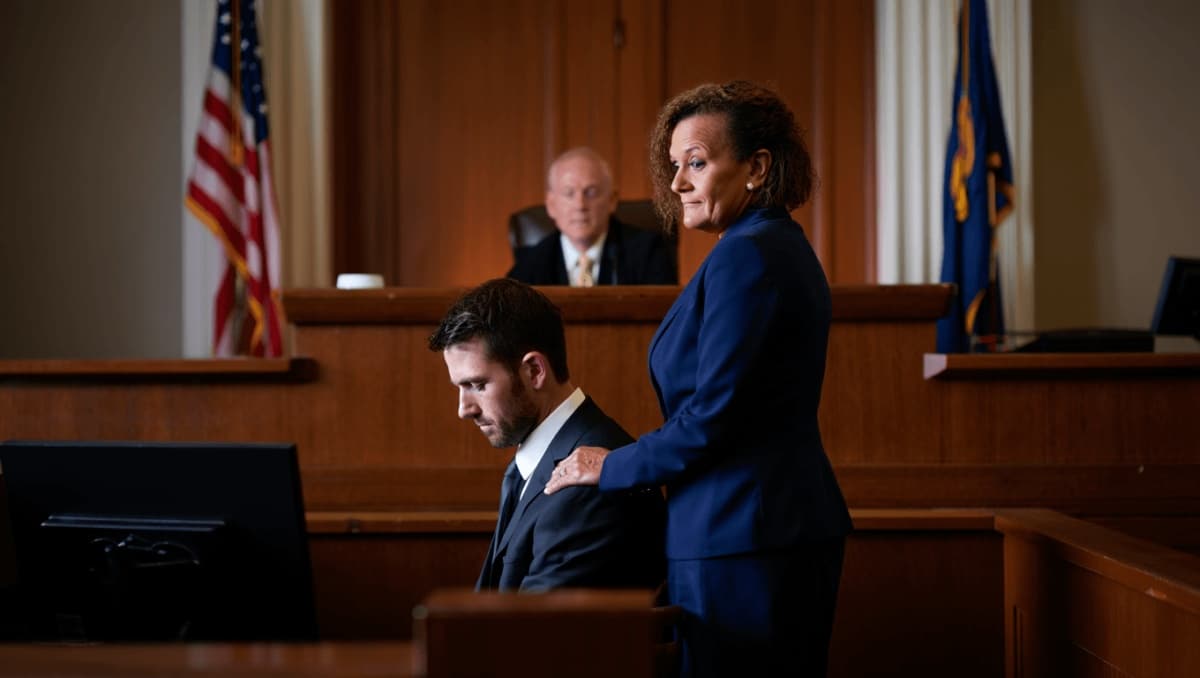
The defense in the murder case against Mangione has told the court it will pursue a psychiatric strategy at trial, a move that shifts the focus from motive and means to the defendant’s mental state at the time of the alleged killing. That choice could significantly affect evidence, witness lineups and how jurors are asked to weigh responsibility.
What the defense strategy means
By signalling a psychiatric defense, Mangione’s lawyers are indicating they will argue the defendant was affected by a mental disorder that bears on criminal responsibility. In practice, that typically brings medical records, expert testimony and a formal psychiatric evaluation into play, rather than relying solely on eyewitnesses or physical evidence.
Michael Page dropped from UFC rankings despite victory: what it means for his career
Viral video shows 81-year-old delivery worker struggling with heavy luggage
That approach does not guarantee a verdict of not guilty by reason of insanity; it often aims to establish diminished culpability or to persuade jurors that the defendant’s capacity to form criminal intent was impaired.
Why this matters now
Trials that center on mental state tend to run longer and involve specialized witnesses. For the prosecution, the defense’s decision raises the bar for presentation: they must counter expert assessments and may need to introduce their own psychiatric evaluations. For the public and the victim’s family, the outcome will hinge on technical legal standards rather than a simple factual question of who did what.
Legal observers say the timing of the notice is important because it affects pretrial deadlines, the scope of discovery and whether the court will order independent examinations.
- Forensic evaluations: Courts commonly appoint or allow independent psychiatric assessments to verify claims about the defendant’s mental condition.
- Expert testimony: Psychiatrists or psychologists will likely be called to explain diagnosis, symptom history and how any disorder could have influenced behavior.
- Evidence scope: Defense can introduce treatment records, medication history and witness accounts of prior episodes; prosecutors will seek countervailing evidence.
- Possible outcomes: Ranges from conviction on reduced charges to a verdict of not guilty by reason of insanity, or a guilty verdict followed by a mental-health-based sentencing recommendation.
How courts evaluate psychiatric claims
Judicial standards vary by jurisdiction, but courts generally examine whether a defendant could appreciate the nature and wrongfulness of their actions or conform conduct to the law. Some places use an “insanity” test; others allow a broader argument of diminished capacity. The precise legal framework will determine what evidence the jury can consider.
Because of these differences, the same clinical diagnosis can produce very different legal results depending on where the case is tried.
Practical consequences for the trial schedule
Introducing a psychiatric defense typically leads to a sequence of procedural steps: motions over admissibility of mental-health evidence, disputes about expert qualifications, and possible court-ordered examinations. Each of these can delay trial start dates and change the courtroom dynamics.
For jurors, the narrative shifts. Rather than focusing solely on forensic facts, they are asked to evaluate complex medical testimony and legal definitions of responsibility — material that can be unfamiliar and emotionally charged.
Broader implications
Cases centered on mental state often spark debate about the criminal justice system’s capacity to balance public safety with appropriate treatment for those with serious psychiatric conditions. They can also influence policy discussions about resources for mental-health services and forensic evaluation capacity in local courts.
Defense strategies invoking mental health also affect public perception. Successful defenses that result in institutionalization instead of prison may satisfy concerns about treatment but can be perceived by others as a loophole in criminal accountability.
As the murder trial proceeds, attention will turn to the experts the defense and prosecution select, the court’s rulings on psychiatric evidence, and how prosecutors frame intent in light of the new focus. Those factors will largely determine whether the psychiatric strategy alters the likely outcome or simply reframes the debate in the courtroom.