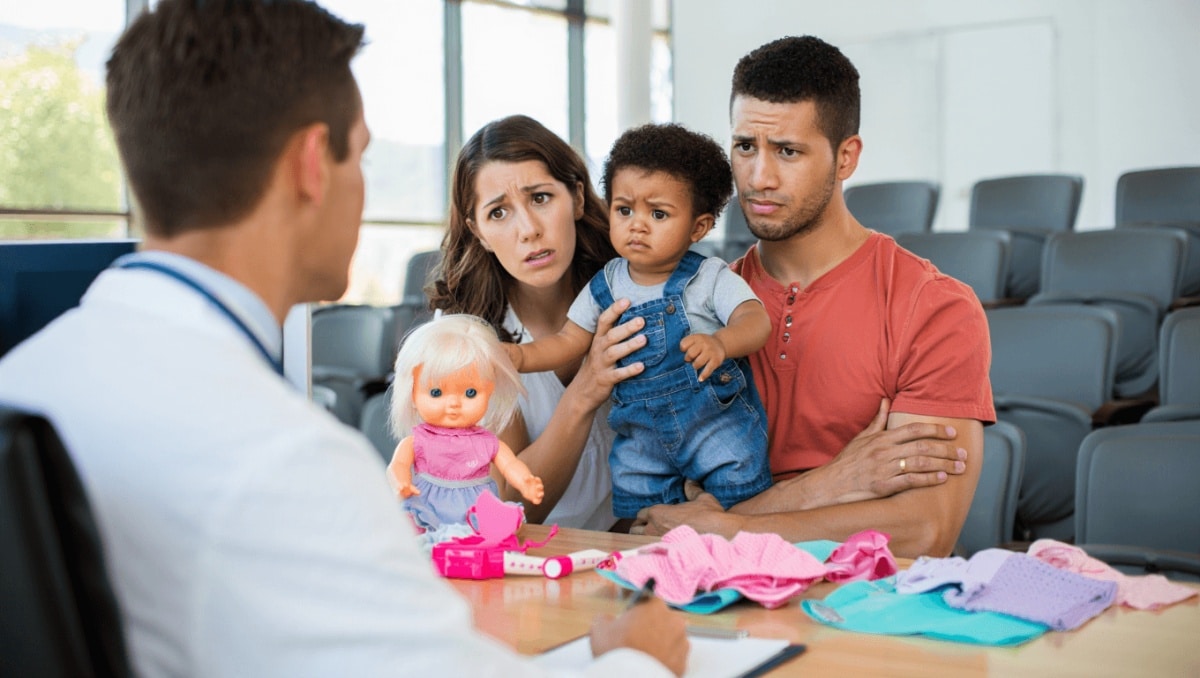
Playthings that let children experiment with gender roles have become a focal point in a widening public dispute — part cultural debate, part health-policy argument — over how early childhood should intersect with medical decision-making. What once was framed as inclusive play is now being scrutinized by parents, clinicians and lawmakers who say the toys carry wider consequences for how society addresses gender and health.
Manufacturers and some parents present these dolls as tools for empathy and exploration: a low-stakes way for children to try on different identities and learn about bodies and emotions. Critics argue the same products act as gateways — not merely to new play patterns, but to a broader social and medical conversation they say children are ill-equipped to navigate. That clash has pushed what used to be a niche retail choice into headlines, social feeds and legislative agendas.
Why this matters now
Public debates about gender and youth care have intensified in recent years. Policies restricting or protecting access to gender-related health care for minors are being debated in statehouses and courts, and products on store shelves are increasingly read as political signals. Toys that were once unremarkable now function as shorthand in larger battles over parental authority, medical ethics and school policy.
Michael Page dropped from UFC rankings despite victory: what it means for his career
Viral video shows 81-year-old delivery worker struggling with heavy luggage
Who’s involved — and what they say
– Parents: Some families welcome dolls that reflect nontraditional gender presentation as a way to support children who express gender diversity. Others feel caught off guard when play choices become part of contested public conversations.
– Clinicians: Pediatric and mental-health professionals emphasize a distinction between exploratory play and clinical diagnosis. Most stress that any medical decisions for minors should follow careful, multidisciplinary assessment.
– Advocacy groups: Organizations on both sides of the debate mobilize around toys as symbols — proponents call them affirming and inclusive, opponents label them inappropriate or premature for young children.
– Lawmakers: A number of recent bills and hearings have focused on gender-related education and care for minors, elevating concerns about how cultural artifacts influence policy.
What the evidence says — and what it doesn’t
Research into play shows that toys help children learn social roles, language and emotional skills. However, there is no consensus that offering gender-diverse playthings causes long-term identity outcomes or medicalization. Medical guidelines for treating gender dysphoria in children emphasize careful assessment over time, involvement of families, and therapeutic support — not decisions based solely on play preferences.
Practical implications for parents and caregivers
– Treat toys as one piece of a larger picture: play is informative but not determinative.
– Watch for persistent, cross-situational distress about gender rather than isolated curiosity.
– Consult qualified pediatric or mental-health professionals when a child’s expressed needs suggest sustained discomfort.
– Keep lines of communication open with schools and caregivers about classroom activities and allowable resources.
A closer look at the contested claims
Some politicians and commentators describe gender-themed dolls as part of a deliberate push toward early medical intervention. Health practitioners counter that the path to medical care typically involves extended evaluation, including mental-health support and family involvement, and that surgical or hormonal treatments are not immediate or commonplace for young children.
Retailers and cultural institutions have responded unevenly. Some outlets have modified product descriptions or curated inclusive lines; others have faced public pressure to remove items or restrict marketing. Social media amplifies isolated incidents, which can inflate the perceived ubiquity of any one trend.
Why nuance matters
The controversy illustrates how everyday objects can become proxies for broader social conflicts. Simplifying the issue into absolute categories — toys that either cause harm or confer unambiguous good — obscures important distinctions between social expression, clinical assessment and policy decisions.
For readers weighing the debate: focus on observable behavior over symbolism. Persistent, cross-context expressions of gender discomfort warrant a careful, professional approach. Occasional role-play or interest in nontraditional toys, by itself, is not evidence that a child will pursue medical transition.
Final perspective
The debate over these dolls is less about a single product and more about boundaries: how society balances a child’s right to explore identity, a family’s authority to guide development, and the medical community’s duty to protect vulnerable patients. As lawmakers, schools and households continue to wrestle with those lines, the conversation will likely keep shifting between shop aisles, clinic waiting rooms and legislative chambers.