Show summary Hide summary
Even after a tentative agreement to reopen the sea lanes, energy analysts say normal oil flows through the region are not returning overnight. Restoring shipments and refining capacity will take months — and for some producers possibly a year — with direct consequences for global fuel supplies and prices.
Why reopening won’t immediately refill global supplies
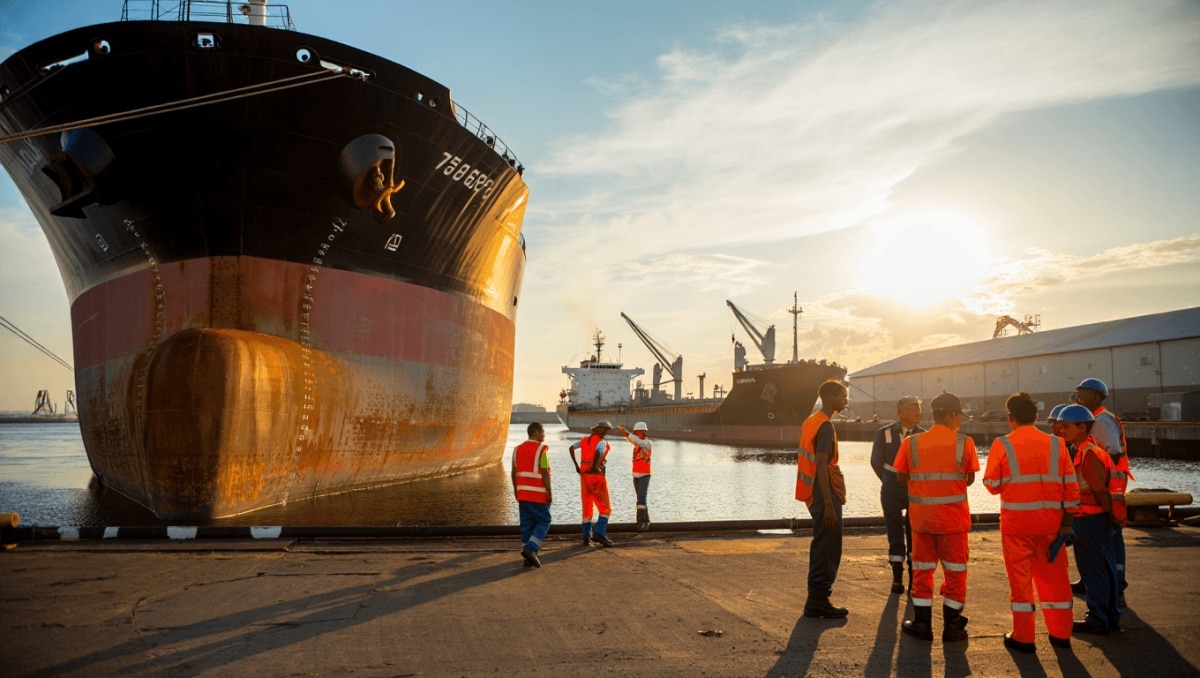
Hundreds of tankers have sat idle in the Persian Gulf for more than three months because transiting the waterway was too risky. Before the conflict, roughly one-fifth of the world’s oil and gasoline moved through the strait; restarting that volume requires more than a political accord.
Michael Page dropped from UFC rankings despite victory: what it means for his career
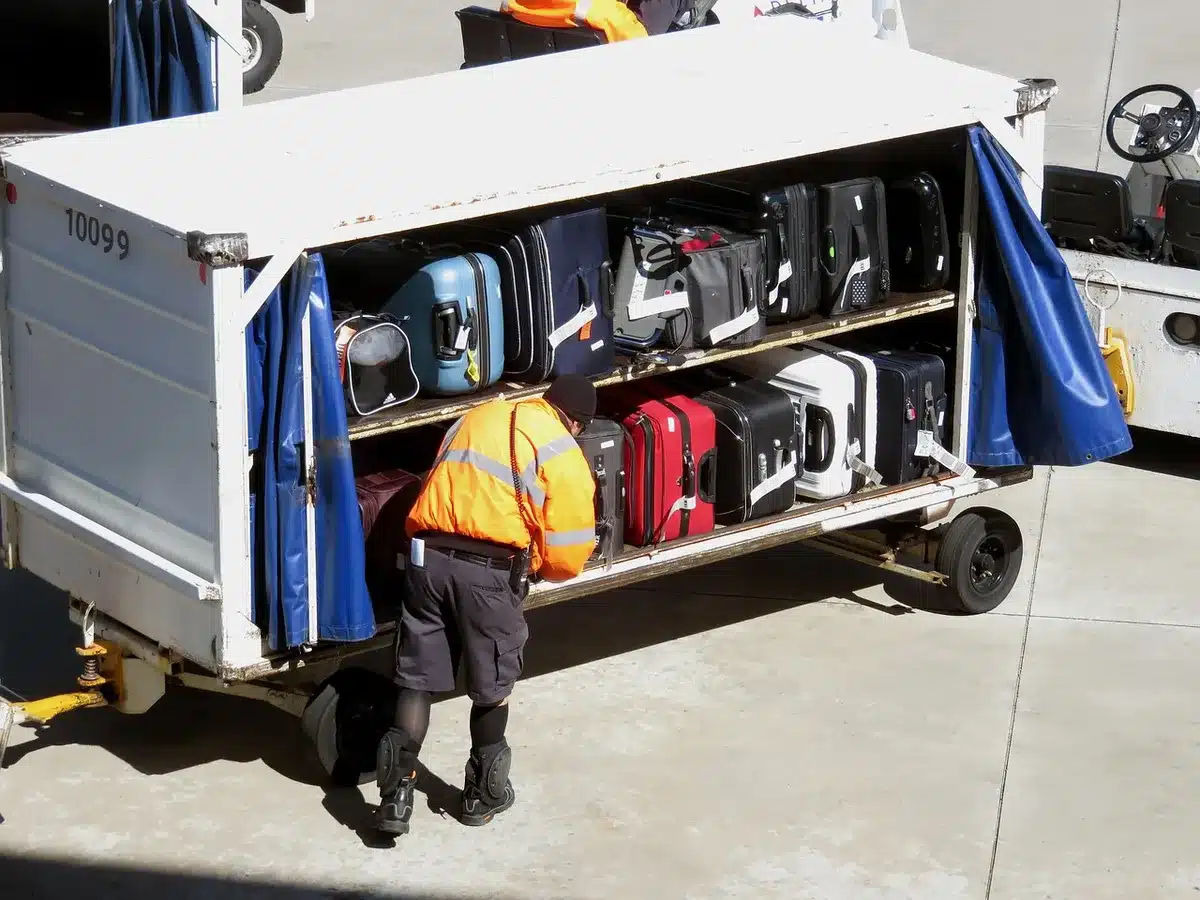
Viral video shows 81-year-old delivery worker struggling with heavy luggage
Insurance, security and personnel all need to be re-established before owners will allow vessels to sail. Daniel Evans, who leads fuels and refining research at S&P Global Energy, says operators must see clear windows of safety and have cover in place to begin moving ships and restarting onshore facilities.
Oil markets reacted quickly to the announcement: international benchmark Brent fell by about $3.45 to $83.89 per barrel, while U.S. crude slipped roughly $4.03 to $80.85. Those levels remain notably above the roughly $70 a barrel seen before hostilities began, leaving consumers and businesses with only partial relief.
Timeline hurdles: tankers, refineries and shut-in wells
Tanker logistics are slow. A vessel that finally departs the gulf can take weeks or months to reach distant refineries, offload crude, and complete the downstream cycle to finished fuels. That lag means physical supply on the market will rise only gradually.
Many producers also suspended output because storage became full. Restarting a shut-in well or reactivating a field is a technical process that can stretch over weeks to months, depending on the operator and condition of infrastructure.
Alan Gelder of Wood Mackenzie points out that countries with alternative export routes will be quicker to scale up. Saudi Arabia and the United Arab Emirates, for instance, can reroute flows around the strait. Others, such as Iraq — which experienced larger shutdowns and has more complex field conditions — could take considerably longer to recover, perhaps close to a year.
- Immediate steps required: approval from insurers, security patrols, and asset inspectors to move trapped cargo.
- Logistics phase: tankers must exit, new vessels arrive, and loading windows must be reliably established.
- Operational restart: fields and storage systems brought back online; refining schedules adjusted.
- Investment restart: capital projects paused by the crisis need time to resume before sustained capacity returns.
Investment flows into the energy system had stalled after the strait closed, creating another drag on how quickly output can rebound. Rebuilding confidence among financiers and operators will not be instantaneous.
Political conditions shape the restart
Experts stress that producers will be cautious. Daniel Sternoff, a senior fellow at Columbia University’s Center on Global Energy Policy, warns that governments are likely to wait for evidence the corridor remains open for weeks — perhaps 30 to 60 days or more — before committing to full restarts.
“Open” can mean different things operationally, he notes: does it imply regular, protected transit; rapid evacuation of trapped cargo; continuous insurance support? Until those assurances are concrete, many industry players will remain conservative.
The practical upshot for markets and consumers is clear: even if tankers begin moving sooner than expected, the combination of slow shipping, processing delays and cautious restarts means global petroleum markets will feel the effects of the disruption for months. Policymakers weighing strategic reserves and companies planning imports will need to factor in that timeline as they respond to changing prices and supply signals.