Show summary Hide summary
Stocks jumped worldwide as investors cheered what appears to be a tentative U.S.-Iran agreement, a development that eased energy prices and reduced near-term inflation risks for households and businesses. The move matters now because cheaper oil could blunt inflationary pressure and influence central bank decisions this week.
Markets react as oil eases
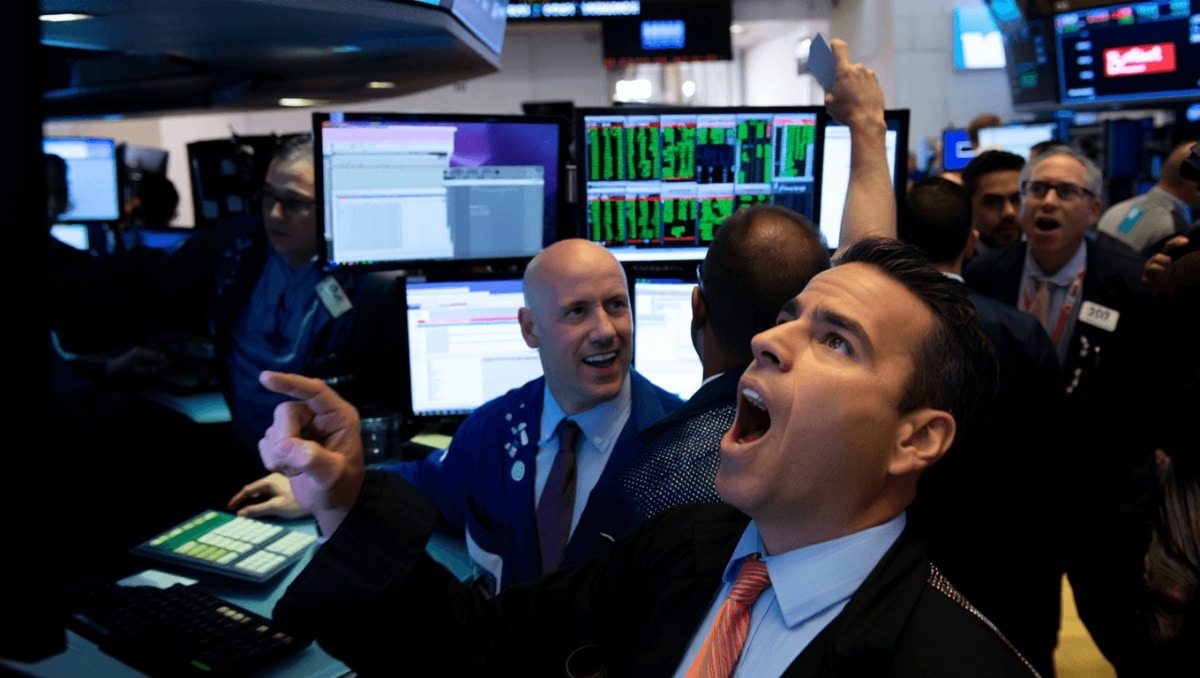
By late morning on Wall Street, the rally was broad: the S&P 500 climbed about 1.7%, the Dow industrials added roughly 673 points (near 1.2%), and the Nasdaq jumped close to 2.7%. The gains followed a sharp drop in oil: Brent crude fell nearly 5% to about $83 a barrel, down from peaks above $100 in recent weeks though still above pre-conflict levels.
Michael Page dropped from UFC rankings despite victory: what it means for his career
Viral video shows 81-year-old delivery worker struggling with heavy luggage
The decline in oil prices offered relief to sectors with heavy fuel costs. Airline stocks led the advance — United and American rose noticeably — and travel names such as Carnival also posted double-digit moves compared with recent volatility. Investors interpreted lower energy costs as a way to ease price pressure on a wide range of goods, from groceries to fertilizer.
Geopolitical details temper the optimism. Iran confirmed the deal but said implementation would begin only after formal signatures, which Pakistan said were expected Friday in Switzerland. Negotiations on longer-term issues, including nuclear-related talks, are set to continue over the next 60 days, leaving room for setbacks. Even if shipping through the Strait of Hormuz resumes, analysts say it could take months before the energy sector fully restores flows.
Winners and bond-market moves
Short-term winners included companies most exposed to fuel costs and technology firms tied to artificial intelligence. Memory and chipmakers jumped — Micron surged about 9.4%, AMD rose roughly 7.5% — while Nvidia’s modest gain helped lift the S&P given its outsized index weight.
Public trading interest in AI remained apparent: SpaceX, which recently began trading publicly and is connected to the AI firm xAI, climbed nearly 8% in its second session, putting its market value above $2.1 trillion in intraday trading.
In fixed income, yields softened on the repricing: the 10-year Treasury yield eased to roughly 4.45% from about 4.48% late Friday, as traders dialed back some rate-hike odds tied to lingering inflation concerns.
- Indices: S&P 500 +1.7%, Dow +1.2%, Nasdaq +2.7% (approx.).
- Oil: Brent down ~4.7% to about $83.25 a barrel.
- Bond yields: 10-year Treasury fell to ~4.45%.
- Sector movers: Airlines and cruise lines up; AI- and chip-related stocks led tech gains.
- Geopolitics: Formal signing expected in Switzerland; 60-day broader talks create uncertainty.
Policy backdrop and market expectations
Central-bank action remains a key focus. The European Central Bank last week raised rates to fight inflation, and the U.S. Federal Reserve is set to announce its first decision under new Chair Kevin Warsh later this week — a closely watched event after his nomination by President Donald Trump.
Before the tentative Iran-U.S. breakthrough, markets had increased the probability that the Fed might lift rates further this year because of persistent price pressures and a strong labor market. After the diplomatic development, traders trimmed those bets; data from CME Group showed the implied odds of another hike this year fell from the previous week’s levels.
That recalibration is relevant because higher interest rates can cool inflation but also slow economic growth and weigh on richly valued assets — especially sectors driven by lofty future earnings expectations, such as some AI plays.
Corporate headlines also shaped activity. Roku retreated after news that Fox Corp. reached a deal to acquire the streaming company in a transaction valued around $22 billion; Roku had surged on early reports, while Fox shares fell sharply on the announcement.
Global markets
Equities outside the U.S. mirrored the upbeat tone. Japan’s benchmark index posted one of the largest one-day gains in months and closed at a record high, while South Korea surged as chip-related and AI-exposed names rallied. London’s FTSE 100, by contrast, slipped modestly.
Takashi Hiroki, chief strategist at Monex, told reporters that foreign buying helped push Japan higher amid hopes of easing Middle East tensions.
For investors and consumers, the immediate takeaway is straightforward: calmer energy markets reduce a key source of inflation risk and give policy makers a bit more room to navigate rates — but the diplomatic path ahead remains fragile, and any new setbacks could quickly reverse today’s relief.