Show summary Hide summary
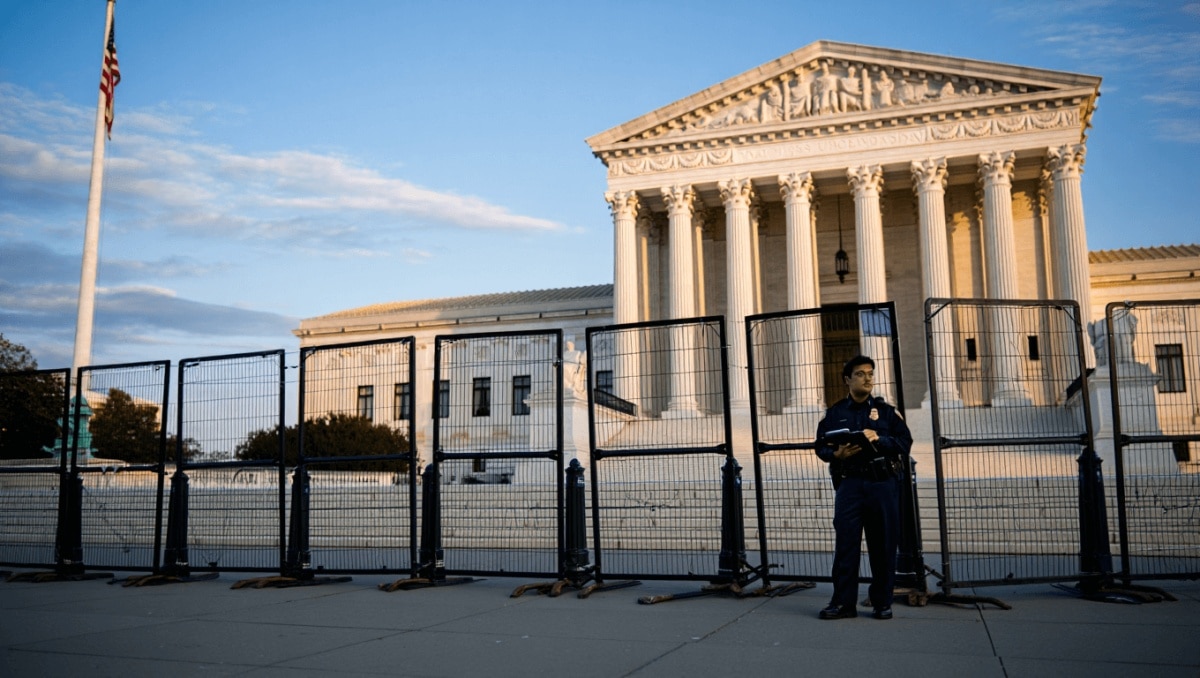
The Supreme Court this week sided with the Trump administration in a significant ruling that expands federal control over how telecommunications companies are regulated. The decision narrows the scope for state and local governments to impose rules on carriers, a shift that could quickly affect broadband deployment, municipal oversight and consumer protections.
The majority opinion concluded that federal law overrides certain state efforts to regulate telecom providers, reaffirming the primacy of national authority in areas the court deemed to fall within federal jurisdiction. Justices on the winning side said uniform rules are necessary to avoid a patchwork of state-by-state requirements that could slow network upgrades.
What changes right away
Practically, the ruling clarifies that companies operating across multiple jurisdictions can rely on a single regulatory framework for key aspects of their services. States that had enacted or enforced their own rules—on issues ranging from pole attachments and permits to pricing and service terms—may now see those measures limited or preempted.
Michael Page dropped from UFC rankings despite victory: what it means for his career
Viral video shows 81-year-old delivery worker struggling with heavy luggage
- Regulatory certainty for carriers: Telecom firms are likely to face fewer conflicting local mandates when building or upgrading networks.
- Reduced municipal control: Cities and counties could lose leverage over siting, permit fees and other local approvals tied to telecom infrastructure.
- Consumer effects: The decision could affect how quickly new services arrive in some areas, but it may also limit locally imposed consumer protections.
- Policy ripple: Federal agencies now have clearer backing to set nationwide rules, affecting future rulemaking and enforcement actions.
The ruling will matter most in states that had been assertive in trying to shape telecom policy independently. Proponents of the decision say it will speed investments in high-capacity networks and 5G rollout by removing inconsistent local hurdles. Critics argue it weakens democratic control at the local level and could let companies avoid stricter consumer protections established by states.
Legal analysts expect an uptick in challenges as state and local governments test the limits of the court’s reasoning. Some municipal ordinances may be revised or paused while officials assess whether they remain enforceable under the new standard.
Broader stakes and next steps
Beyond immediate legal fallout, the decision shifts the battleground to Washington. Congress can alter the balance through legislation, and federal agencies are likely to respond with rulemaking that fills out the contours of the court’s guidance. For now, the industry gains clarity but also direction: federal policies are likely to guide major infrastructure and consumer issues going forward.
For consumers and local officials, the ruling raises practical questions: who will set service standards, how disputes over access and pricing will be resolved, and what oversight mechanisms will remain at the state level. Watch for rapid policy responses from regulators and a fresh round of litigation as stakeholders test the boundaries of the judgment.