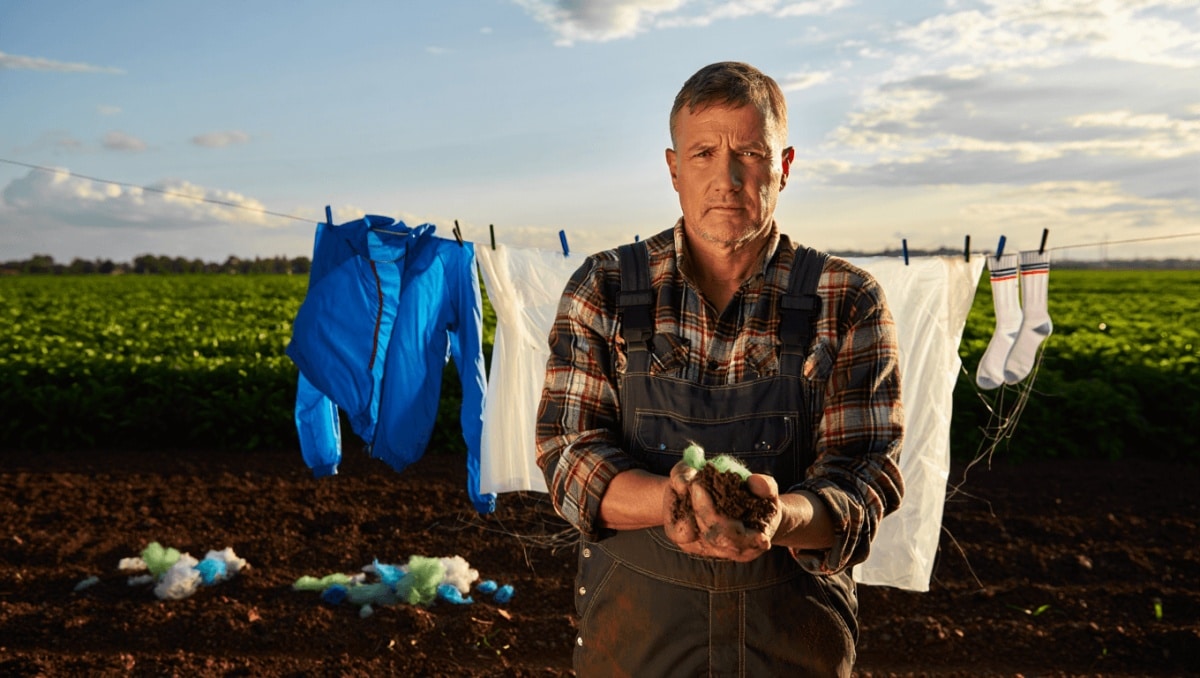
MAHA has stepped into a complex crossroads where environmental concerns meet agricultural economics: officials are addressing the growing problem of microplastic fibers shedding from synthetic clothing while also confronting mounting input costs that are squeezing farmers. Both issues intersect with consumer prices, rural livelihoods and environmental health, making MAHA’s decisions consequential beyond the farmgate.
The release of tiny plastic fibers from textiles during washing and wear has drawn increasing scrutiny worldwide. These microplastic particles can travel from household drains into waterways and soils, where their long-term ecological effects remain under study. For agricultural policymakers, the concern is twofold: microplastics can reach cropland via irrigation and biosolid applications, while the textile sector’s environmental footprint complicates broader sustainability efforts.
At the same time, producers are feeling pressure from rising costs across seeds, fertilisers, fuel and labor. That squeeze narrows margins for growers and can eventually push food prices higher for consumers. MAHA’s challenge is to balance short-term economic relief for farmers with longer-term measures that limit environmental harm and improve supply-chain resilience.
Michael Page dropped from UFC rankings despite victory: what it means for his career
Viral video shows 81-year-old delivery worker struggling with heavy luggage
A coordinated response
MAHA has signalled a multifaceted approach that blends research, regulation and practical support. Officials are reportedly engaging universities, water authorities and industry representatives to map how textile microfibers move through the environment and where interventions are most effective. On the agricultural side, proposed steps include targeted subsidies, input-price monitoring and technical assistance to raise efficiency.
Those who follow environmental policy stress that solutions will require partnerships across sectors: textile manufacturers, wastewater treatment operators, consumer groups and farmers’ organizations. Simple fixes — like introducing filters in laundromats or improving effluent treatment at textile plants — can reduce microfiber discharge, but broader standards and incentives are likely needed for lasting impact.
- Research: Studies to trace microfiber pathways from clothing to soil and water.
- Infrastructure: Pilot projects for filtration and upgraded wastewater treatment in textile districts.
- Farmer support: Short-term relief measures and programmes to lower input costs and improve productivity.
- Regulation and guidance: Developing best-practice standards for textile waste and agricultural biosolid use.
- Stakeholder coordination: Cross-sector working groups to align environmental and economic policy goals.
| Issue | MAHA response (areas under consideration) | Possible effect |
|---|---|---|
| Microplastic contamination | Fund research; pilot filtration; tighter effluent monitoring | Reduced environmental release; clearer evidence for policy |
| Rising farmer costs | Temporary input subsidies; price monitoring; training on efficiencies | Short-term relief for margins; pressure to avoid long-term dependence |
| Supply-chain resilience | Stakeholder forums; incentives for cleaner textiles | Greater coordination between industry and agriculture; smoother markets |
For consumers, the twin developments matter in practical ways. Efforts to curb microfiber pollution could influence how clothing is manufactured and laundered, while measures to ease farm costs affect the availability and price stability of food. Policymakers will need to weigh immediate economic support for producers against investments that reduce environmental risk over the long term.
How quickly MAHA moves from planning to implementation will determine whether these initiatives merely paper over short-term problems or lead to systemic change. Observers should watch for pilot results, announced regulations and any targeted aid packages for farmers — those will reveal whether the strategy can reconcile environmental protection with the realities of modern agriculture.