Show summary Hide summary
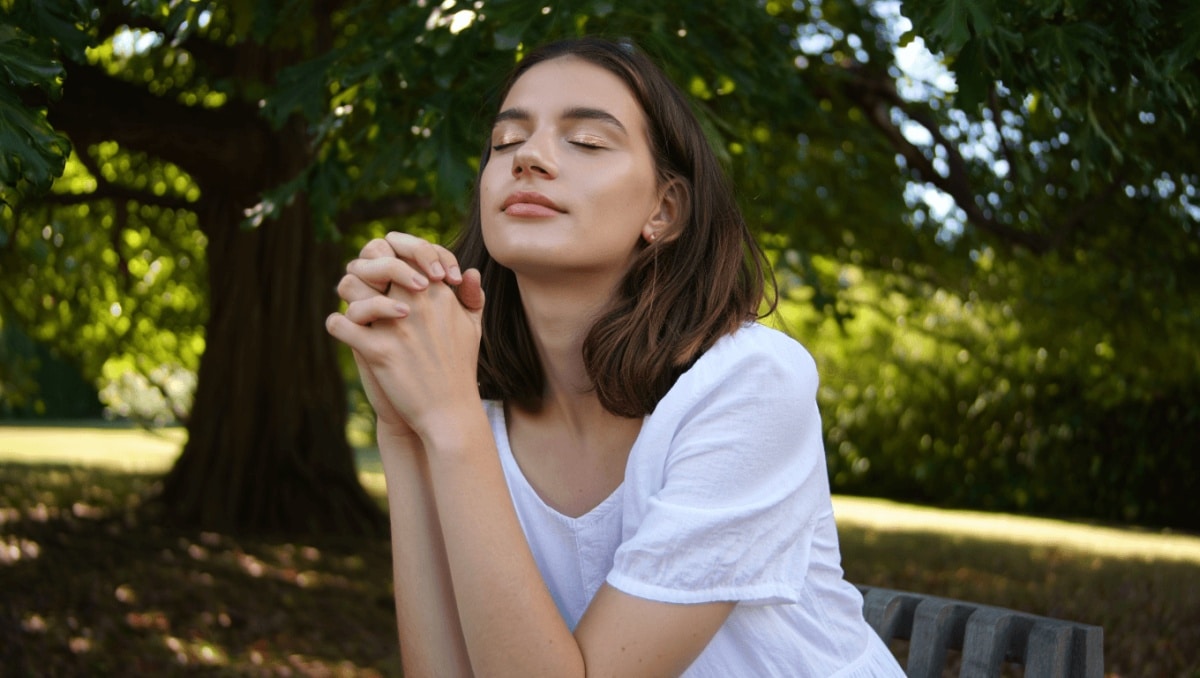
A new study suggests that just a short period of prayer can produce measurable changes in the body and mind — and those effects may be relevant for anyone looking for accessible ways to manage stress. Researchers report that as little as five minutes of focused prayer was associated with immediate shifts in physiological markers commonly linked to relaxation and emotional regulation.
What the research measured
The investigators observed volunteers before, during and after a brief session of prayer, recording simple, noninvasive indicators such as heart rate and self-reported anxiety. The design emphasized a short, repeatable practice rather than a longer ritual, allowing the team to isolate very rapid responses.
Michael Page dropped from UFC rankings despite victory: what it means for his career
Viral video shows 81-year-old delivery worker struggling with heavy luggage
Across participants, the study found consistent, short-term changes that point to a calming response. Importantly, researchers framed their findings as preliminary evidence of association, not proof that prayer is the direct cause of long-term health improvements.
- Heart rate: Small but reliable reductions were recorded during and immediately after the five-minute practice.
- Perceived stress: Participants reported lower levels of anxiety on brief mood questionnaires following the session.
- Attention and focus: Some measures suggested improved mental clarity for a short window after prayer.
- Variability between individuals: Effects were stronger for those who reported prior experience with prayer or meditation.
How large were the effects?
The physiological changes were modest — not the kind of shifts that replace medical care — yet meaningful given how brief the intervention was. For many participants the benefits lasted minutes to an hour, which indicates potential value as a quick coping tool during stressful moments.
Researchers highlight that brief practices can be practical in everyday life: a five-minute pause at work or before sleep may be easier to adopt than longer routines. That ease of use increases the potential public-health relevance, particularly for people seeking low-cost, low-barrier ways to reduce daily stress.
Practical implications for readers
For individuals curious about integrating spiritual practices into self-care, the study offers a simple takeaway: short, focused moments of prayer or silent reflection may deliver immediate calming effects without much time commitment. Those benefits might be especially useful when combined with other evidence-based habits, such as regular exercise, sleep hygiene, and professional support when needed.
| Outcome | Typical change observed | Notes |
|---|---|---|
| Heart rate | Small reduction | Most notable during the activity; returned toward baseline within an hour for many |
| Perceived stress | Lowered on brief surveys | Subjective effect; larger for those already familiar with prayer or meditation |
| Cognitive focus | Short-term improvement | May reflect a brief reset in attention rather than lasting cognitive change |
Limits and unanswered questions
Several caveats temper the conclusions. The study examined immediate responses in a controlled setting and did not track long-term health outcomes. Sample size, participant diversity and the specific type of prayer used all influence how widely the results can be generalized.
Future research will need to compare prayer with other brief practices — such as guided breathing, mindfulness meditation or quiet reflection — to determine whether the effects are unique to spiritual framing or stem mainly from focused, calming attention.
Until then, the findings add to a growing body of work showing that short, intentional pauses can alter stress-related biology. For readers seeking low-cost, low-risk ways to manage everyday tension, a five-minute practice — spiritual or secular — may be worth trying as part of a broader self-care strategy.