Show summary Hide summary
Health authorities across several African countries are reporting a widening Ebola outbreak that is shifting from remote villages into towns and transport hubs, raising fresh concerns about containment and strain on already fragile health systems. The rapid expansion has triggered emergency responses from national ministries and international agencies as officials race to prevent further spread.
Public health teams say the outbreak’s recent movement into more densely populated areas makes control measures more urgent and complicated. That development matters now because urban transmission increases the risk of cross-border spread and can overwhelm local hospitals.
What officials are seeing on the ground
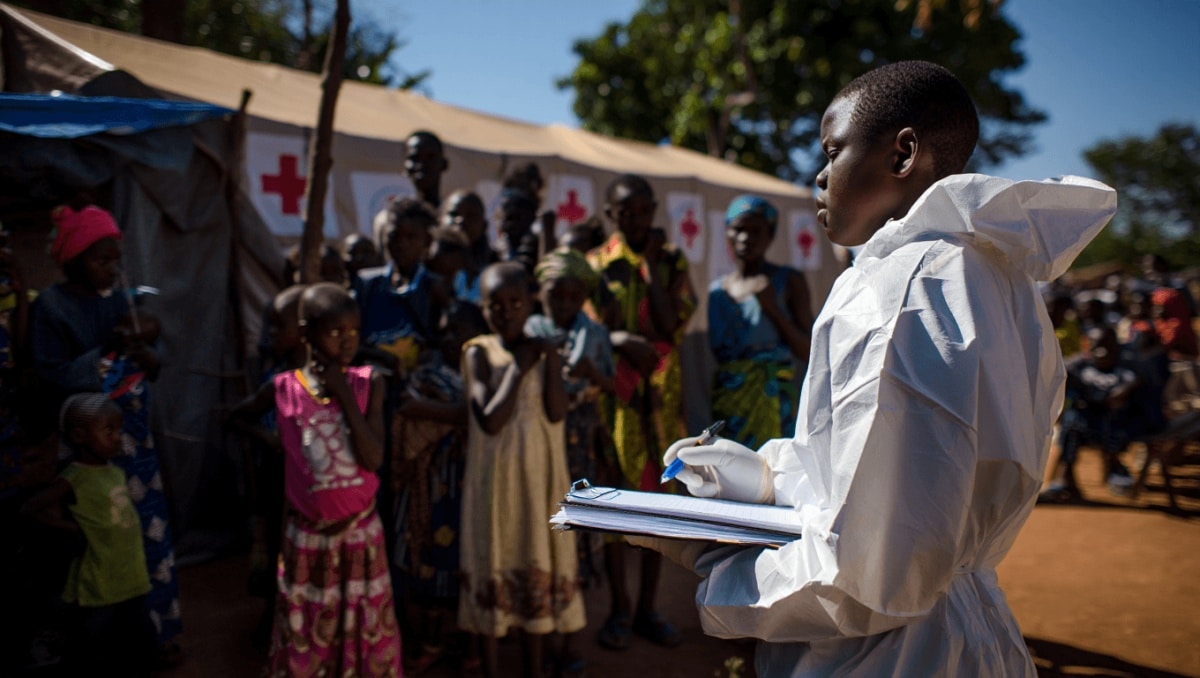
Local health ministries and the World Health Organization have confirmed new clusters of infection beyond the initial epicenters. Surveillance teams report a mix of identified and suspected cases, with contact tracing and isolation efforts underway.
Michael Page dropped from UFC rankings despite victory: what it means for his career
Viral video shows 81-year-old delivery worker struggling with heavy luggage
Response operations are confronting predictable hurdles: limited laboratory capacity, shortages of protective equipment for health workers, and difficulties in quickly vaccinating at-risk contacts. Community resistance and misinformation in some areas have also hindered outreach and safe-burial procedures.
- Geographic spread: Cases first centered in rural districts but recent reports indicate transmission in towns and along transit corridors.
- Healthcare impact: Local hospitals face increased admissions and staffing pressure where infections have appeared.
- Vaccination efforts: Ring-vaccination campaigns are being carried out where stocks and logistics permit, prioritizing contacts and front-line staff.
- Cross-border risk: Proximity to population centers and transport routes raises the possibility of cases moving between neighboring countries.
Why this outbreak could be harder to contain
Past Ebola responses have shown that rapid identification of cases and high-quality contact tracing are essential. When the virus reaches urban environments, those tasks become more complex. Dense housing, informal markets and mobile populations all make it harder to find and monitor contacts.
Laboratory confirmation is another bottleneck. In many affected regions, samples must be transported long distances, delaying diagnosis and the start of containment measures. International partners say expanding local testing and accelerating vaccine delivery are immediate priorities.
What authorities are doing
Governments have activated emergency operations centers and mobilized community health workers for door-to-door risk communication. The WHO and regional health bodies are coordinating technical support, while some countries have laid out temporary screening at border crossings and transport hubs.
Training for safe patient care and increased supplies of personal protective equipment are being sent where possible. Epidemiologists emphasize the importance of culturally sensitive community engagement to reduce fear and encourage early reporting of symptoms.
Implications for people living nearby
For most residents in affected regions, the immediate advice remains to seek care early for febrile illnesses, cooperate with contact tracing teams, and follow public health guidance on hygiene and safe burials. Travel restrictions and trade disruptions may follow if cases continue to rise.
Healthcare workers are at particular risk and are being prioritized for vaccination and protective equipment. Strengthening local clinics to manage routine care while treating suspected Ebola patients will be critical to prevent secondary health crises.
Key takeaways
- Outbreak is expanding beyond initial rural clusters into towns and transit routes, increasing containment complexity.
- Response gaps include testing delays, limited vaccine access, and community mistrust in some areas.
- International and regional agencies are coordinating support, focusing on vaccination, lab capacity and safe care.
- Residents should follow official guidance; the highest priority is protecting health workers and vulnerable populations.
Authorities have emphasized that early detection and rapid response remain the best tools to stop further spread. The coming days will be critical in determining whether containment measures can prevent a wider regional outbreak.