Show summary Hide summary
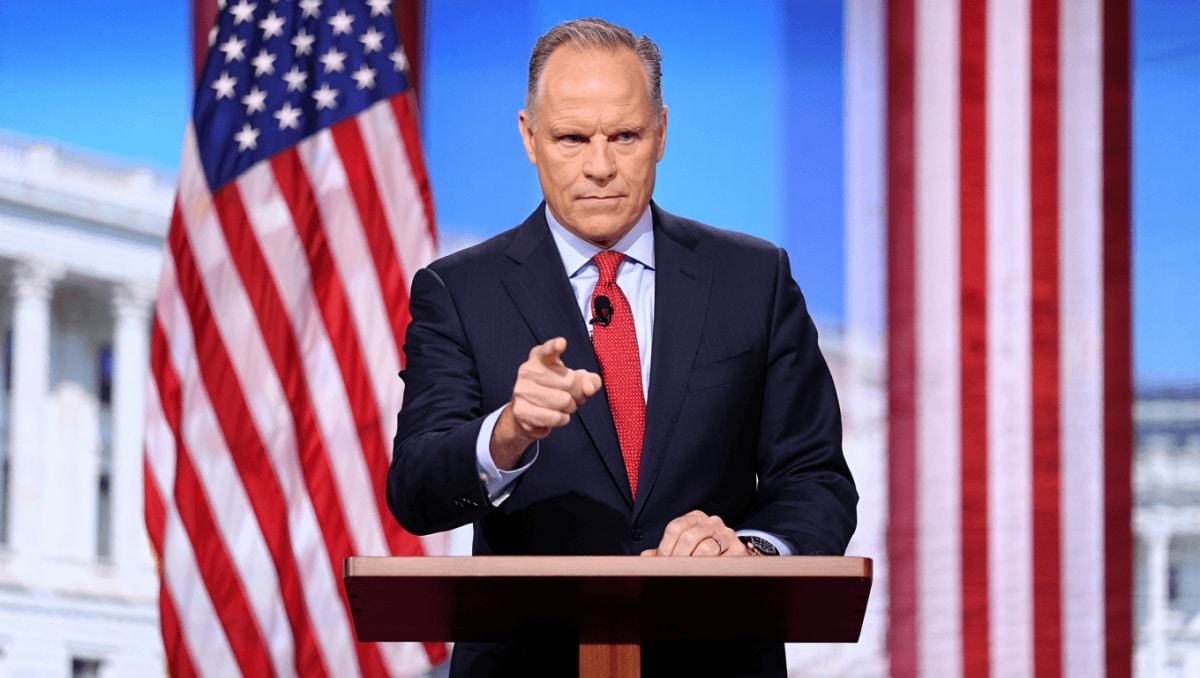
Fox News host Greg Gutfeld recently accused Democratic lawmakers of avoiding congressional scrutiny, framing the party’s approach to oversight as a pattern rather than an isolated posture. The comment adds a fresh spark to a persistent partisan debate over how much transparency and accountability elected officials should accept.
Gutfeld made the claim on his broadcast, using it to argue that Democrats have been resistant to routine investigative tools. That line of commentary lands amid ongoing disputes in Washington over subpoenas, public testimony and the scope of congressional inquiries—issues that shape both policy outcomes and public confidence in institutions.
Why this matters now
Michael Page dropped from UFC rankings despite victory: what it means for his career
Viral video shows 81-year-old delivery worker struggling with heavy luggage
Oversight determines what the public learns about government decisions, spending and potential wrongdoing. When either party resists scrutiny—or is perceived to do so—the result is diminished trust and sharper political polarization. For citizens tracking accountability, the debate is not abstract: it affects how quickly investigations proceed and whether findings reach the public.
Responses to Gutfeld’s remarks were predictable along partisan lines. Supporters said the critique highlighted genuine concerns about transparency, while opponents called it partisan rhetoric that oversimplifies complex legal and procedural limits on congressional inquiries. Independent observers point out that disagreements over oversight are long-standing and often driven by shifting political incentives.
Key implications
- Public trust: Perceptions that one party resists scrutiny can erode confidence in elected officials and democratic processes.
- Legislative effectiveness: Oversight battles consume time that could be used for policy-making and can stall bipartisan cooperation.
- Legal and procedural pressure: Disputes over subpoenas and testimony sometimes end up in courts, delaying resolution and creating new precedents.
- Election narratives: Claims about avoiding oversight can become focal talking points in campaigns, shaping voter perceptions ahead of elections.
Historically, oversight fights have swung with control of Congress and the White House: the party in power often resists probes that could expose its officials, while the opposition uses oversight as a tool to hold leaders accountable. That pattern helps explain why commentators across the spectrum treat these disputes as strategic as much as principled.
Looking forward, the practical test will be whether either side seeks to expand cooperative, transparent processes—such as negotiated document requests and agreed timelines for testimony—or doubles down on partisan tactics that push matters into court or the media. For journalists and the public, the immediate question is straightforward: will oversight function as a mechanism for accountability, or as another arena for partisan conflict?