Show summary Hide summary
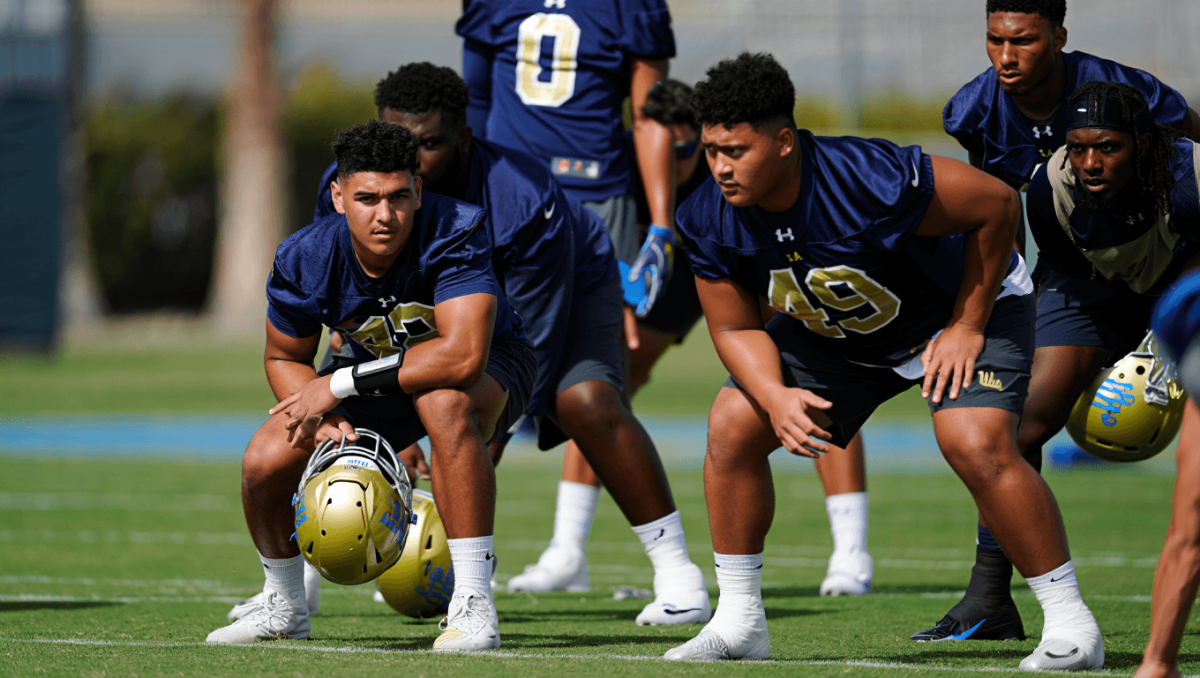
UCLA arrives at the 2026 season with a new leader and a clear mandate: stabilize a program that slipped badly last year and give quarterback Nico Iamaleava a chance to rebuild his reputation. The changes made this offseason — a coaching swap and a heavy roster reset — will determine whether the Bruins escape another disappointing campaign and reach a bowl game.
After a turbulent 2025
Iamaleava’s sophomore year unfolded amid turmoil. After transferring to UCLA following a playoff run at Tennessee, his performance dipped and the team failed to produce consistent results, leaving the program with a 3–9 record in the Big Ten and prompting staff changes.
Michael Page dropped from UFC rankings despite victory: what it means for his career
Viral video shows 81-year-old delivery worker struggling with heavy luggage
The Bruins dismissed DeShaun Foster late in the year, a sign the administration wanted new direction quickly. That upheaval helps explain why expectations are cautious: last season’s struggles were not only about one player, but a broader roster and cultural problem.
Chesney’s mandate: repair, recruit, and reset
UCLA hired former James Madison coach Bob Chesney to rebuild the program. Chesney arrives with a lengthy winning résumé and a reputation for building durable team cultures, posting a 132–52 record over his coaching career and repeatedly reshaping programs into contenders at their level.
He has not wasted time retooling the roster. The Bruins added a large group of transfers — including a significant bloc from Chesney’s former staff — to jump-start the culture change. That continuity could speed the adjustment process in a conference that has become increasingly competitive.
- Transfers acquired: A major influx of new players to repopulate the roster and provide experience.
- JMU connections: Multiple transfers and staff links from James Madison to preserve system continuity.
- Recruiting momentum: Early traction on the 2027 class, with several high-level commitments.
Those moves aim to lift the program’s baseline performance rather than produce a one-year leap into Big Ten contention.
Where improvement is most likely
Offense offers the clearest path. The Bruins finished 80th nationally in rushing yards per game last season, despite Iamaleava showing some effectiveness as a runner. With upgrades up front and the addition of backfield talent, UCLA could morph into a more physical, balanced offense.
One key addition is running back Wayne Knight, who rushed for 1,373 yards last season and ranked among the nation’s top rushers. When paired with a bolstered offensive line, Knight’s production could convert into sustained offensive balance — and more manageable pressure on Iamaleava and the passing game.
Defensively, the coaching staff targeted experience via the portal, seeking to plug gaps quickly rather than waiting for multi-year development. That approach fits a coach focused on raising the team’s minimum level of play in Year One.
What to watch early in 2026
Several practical markers will indicate whether the reset is working:
- Early-season competitiveness against non-conference opponents — avoiding blowout losses matters more than a marquee upset.
- Offensive line cohesion and rushing efficiency by midseason.
- Turnover margin and defensive third-down stops as signs the new system is taking hold.
Chesney’s immediate task is to eliminate the kind of soft starts that sank the Bruins last year. If the team shows fewer self-inflicted collapses, postseason eligibility becomes a realistic goal.
Short-term outlook
Market expectations have set UCLA’s 2026 win total around 5.5, reflecting skepticism but also the possibility of modest improvement. Given the infusion of experienced transfers, stronger recruiting for 2027, and a coach with a history of rapid program repair, the Bruins are positioned to clear that threshold and land in a bowl — not to challenge for the conference title this year, but to stabilise and build.
In the end, the most consequential change may be cultural: installing a steady, process-oriented coach could prevent repeat collapses, give Iamaleava a cleaner environment to develop, and set up a clearer path for the program’s next phase.