Show summary Hide summary
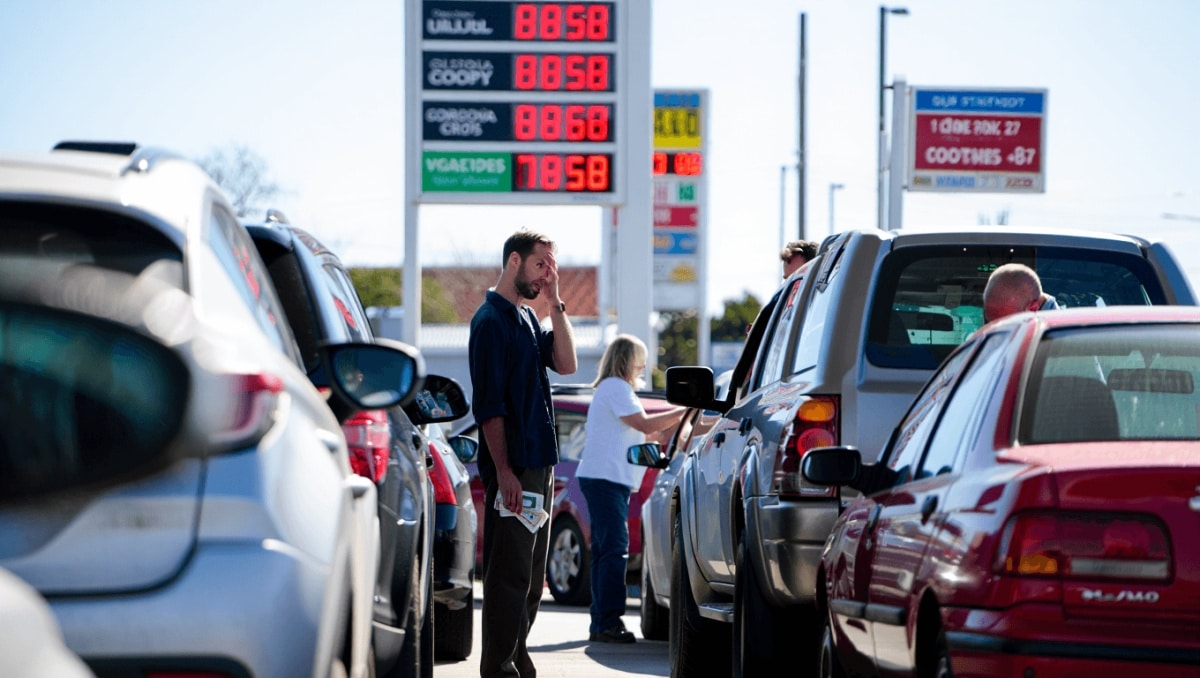
Short-term fixes have failed to curb rising fuel costs, leaving motorists and businesses to shoulder the consequences as global demand outpaces supply. With inventories thinner than policymakers hoped and producers signaling restraint, today’s patchwork measures offer limited relief and push the search for more oil back to the top of the agenda.
The squeeze matters now because higher pump prices feed into household budgets, freight costs and inflation expectations — factors that influence central-bank decisions and consumer confidence. How governments and markets respond in the coming weeks will determine whether this spike is a temporary shock or a longer-lived drag on the economy.
Temporary steps, persistent pressure
In recent weeks authorities and industry players have deployed a familiar toolkit to blunt the pain: strategic releases, temporary tax reductions and short-term import deals. These actions can reduce headline prices for a brief window, but they rarely address the core mismatch between consumption and production that has developed.
Michael Page dropped from UFC rankings despite victory: what it means for his career
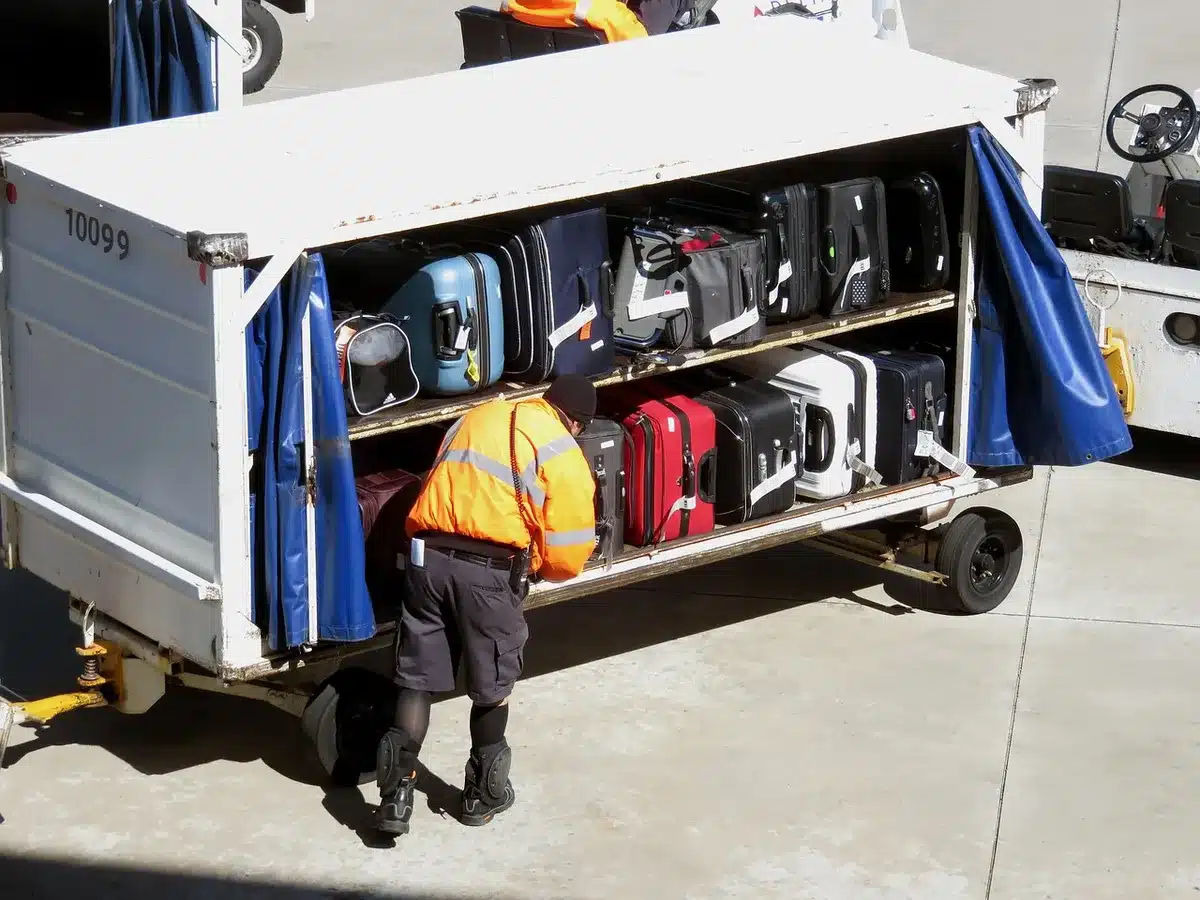
Viral video shows 81-year-old delivery worker struggling with heavy luggage
Several forces are keeping upward pressure on prices. Global demand has rebounded faster than many anticipated, refinery and logistical bottlenecks are limiting supply flows, and major producers have been cautious about boosting output rapidly. At the same time, geopolitical tensions and sanctions continue to complicate trade routes and investment in new capacity.
- Strategic petroleum reserves: Used to tamp down price spikes, but releases are finite and do not replace ongoing production.
- Temporary tax cuts and subsidies: Offer immediate consumer relief but strain public finances and can be politically difficult to sustain.
- Import swaps and short-term contracts: Help fill local gaps but depend on global availability and shipping capacity.
Why stopgaps fall short
Stopgap measures are, by design, temporary. Releasing oil from reserves lowers supply only once; tax relief eases pain at the pump but does nothing to increase crude output. Moreover, markets quickly price in the limited nature of these interventions, which can blunt their long-term effectiveness.
Investors and oil producers have also signalled caution. After years of underinvestment in upstream projects and with pressure to decarbonize, some firms are reluctant to commit to large new developments that would take years to bring online. That leaves the market with constrained spare capacity just when demand is climbing.
| Measure | Intended effect | Why it may not be enough |
|---|---|---|
| Reserve releases | Temporarily increase supply and calm markets | One-off; limited volumes; timing mismatch with demand |
| Fuel tax cuts | Lower retail prices for consumers | Short-lived relief; can worsen fiscal deficits |
| Short-term import deals | Alleviate local shortages | Dependent on global availability and shipping |
Immediate impacts and who feels it first
Households facing higher commuting and heating bills will feel the effects most directly. Small businesses and logistics operators, which cannot easily pass on costs, may see margins compress. In aggregate, persistent fuel inflation risks feeding through to broader consumer prices.
For policymakers, the dilemma is acute: balance temporary relief for voters against the need for structural responses that stabilize supply. Central banks are watching because sustained energy-driven inflation can complicate monetary policy decisions and economic growth forecasts.
Options for a more durable response
Longer-term solutions require a mix of market and policy actions. Encouragingly, several avenues can ease pressure over time, though each carries trade-offs and lead times.
- Encouraging additional production from willing producers — but this depends on investment and global cooperation.
- Speeding up refinery maintenance and logistics fixes to move crude into usable fuels faster.
- Accelerating investment in alternative energy and efficiency to reduce demand growth.
- Strategic, coordinated releases of reserves combined with clearer messaging to stabilize expectations.
None of these is an instant cure. Boosting upstream capacity takes years, and transitions to alternative energy require sustained policy certainty. That means markets will likely remain sensitive to news on supply, demand and geopolitics for the foreseeable future.
In the short run, consumers and businesses should prepare for volatile fuel prices rather than assume the next policy move will provide lasting relief. For policymakers, the challenge is to pair immediate support where needed with measures that shore up supply and reduce future vulnerability.
As the world scrambles for more oil, stopgap measures will keep surfacing — but without deeper, coordinated action the risk is that price swings become a recurring economic headache rather than a short-lived episode.