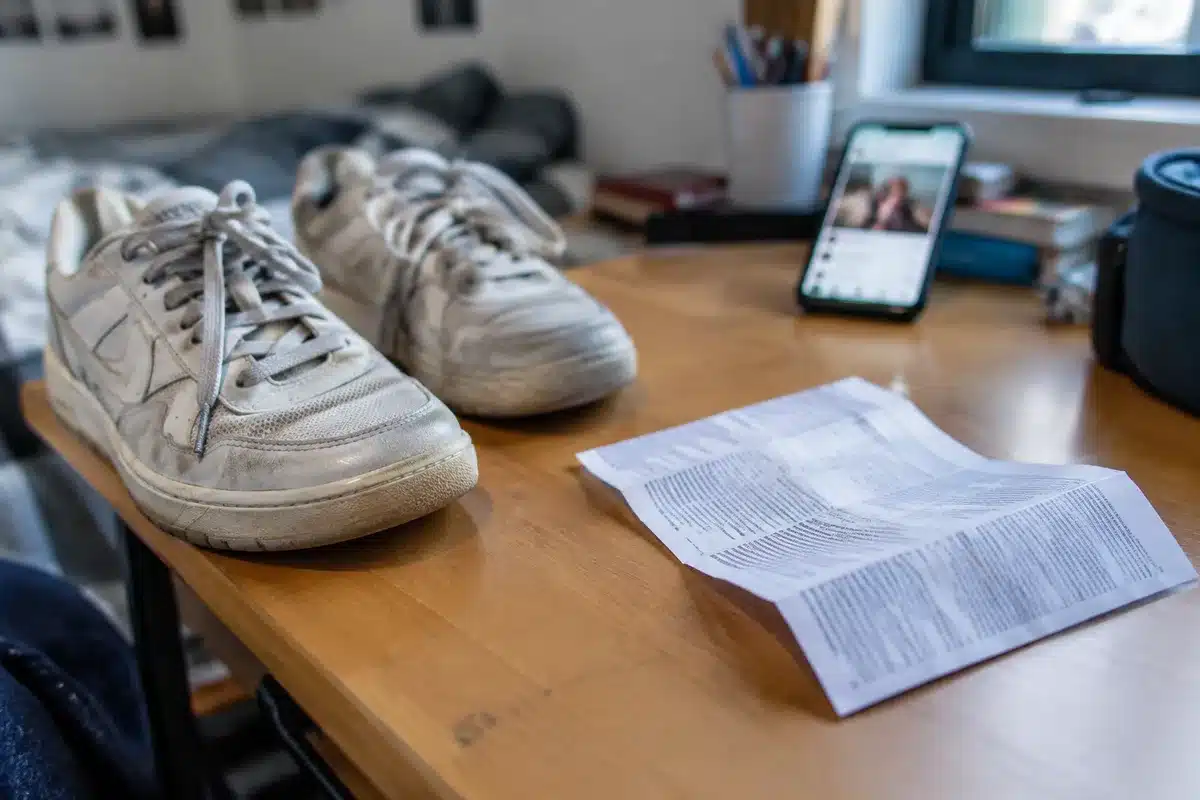
A growing number of teenagers have turned to an oncology drug sold illicitly online in hopes of gaining height — a trend doctors say is dangerous and recent enough to prompt fresh warnings from clinicians and the drug maker. Reports linking the practice, often called heightmaxxing, to a high-profile livestream emergency have put clinicians on alert about teens accessing the cancer medication outside medical supervision.
At the center of the concern is erdafitinib — known on social platforms as “ERDA” or “Erta” — a targeted therapy approved for certain advanced bladder cancers. Health professionals stress the medication has never been authorized to stimulate growth and its safety in children and adolescents has not been established.
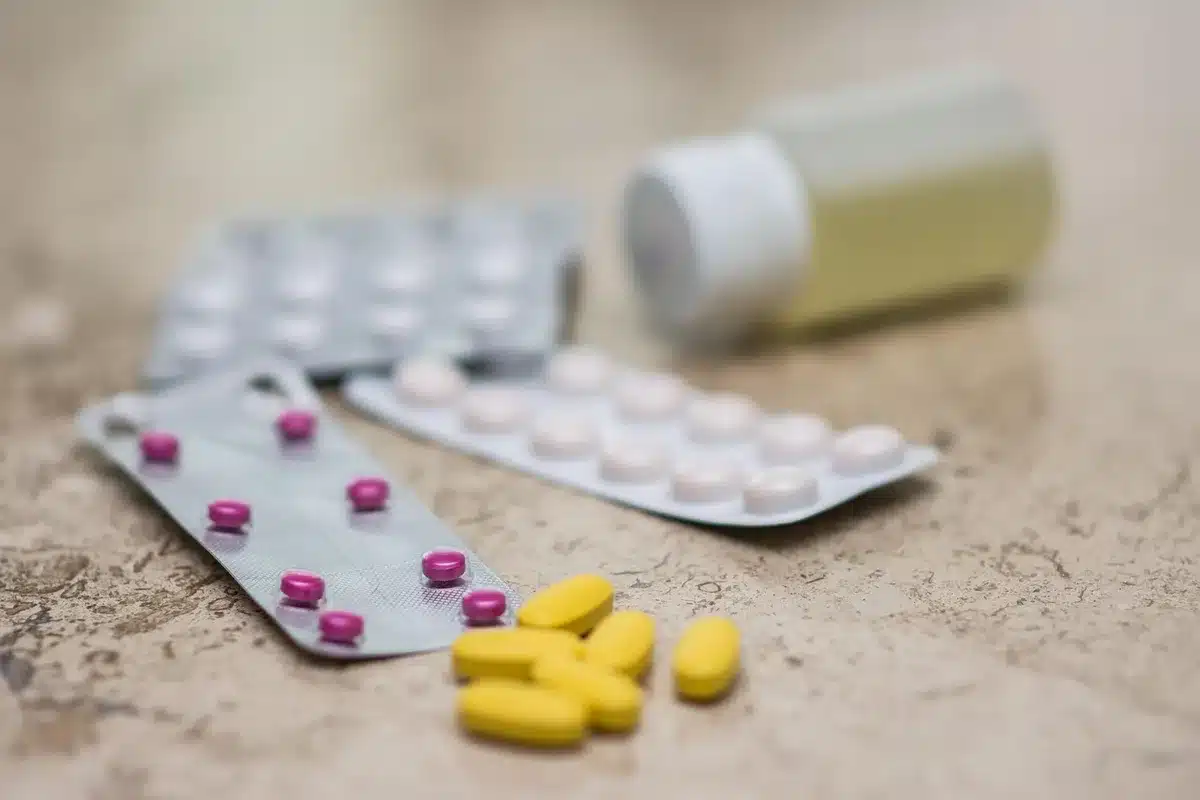
Manufacturers have publicly rejected the off-label use. In a statement to Rolling Stone, Johnson & Johnson emphasized the drug is not approved for pediatric patients or for height enhancement, and warned against unsupervised use.
Kankakee winter market set to fill the Majestic with local vendors
College football playoff expansion to 24 would cheapen the title: experts warn
Some clinical reports have documented unexpected increases in stature among children treated with erdafitinib for other tumor types. A 2024 paper in Hormone Research in Paediatrics described accelerated growth in two pediatric cases, and another case report described a teenager who gained more than five inches during treatment but later experienced serious skeletal problems.
Physicians caution that these growth changes are not the same as healthy, controlled development. Forced or rapid increases in height can damage the structure of growing bones, sometimes causing premature closure or injury to growth plates and other long-term orthopedic complications.
- Key medical risks reported:
- Potential for permanent vision impairment and other eye problems
- Elevated phosphate and other metabolic disturbances
- Skeletal pain, especially in hips or knees; increased fracture risk
- Mouth sores, nail changes and skin disorders
Dr. Jessica Gray, a family physician in Texas, told colleagues that using oncology drugs to chase cosmetic goals is especially hazardous for adolescents whose musculoskeletal and metabolic systems are still developing. Other clinicians add that the molecular pathways targeted by the drug also influence bone development — which may explain why growth was seen in some children — but that this effect can come with serious collateral damage.
Experts also emphasize a biological limit: once growth plates close near the end of puberty, medications cannot reopen them. That means older teens taking the drug illicitly are exposing themselves to significant harm without a realistic chance of gaining height.
Beyond the direct health risks, clinicians are troubled by the role of social media. Online forums and influencers can amplify unproven strategies, normalizing access to prescription medicines through unofficial channels and encouraging dangerous experimentation among vulnerable young people.

Doctors advising parents and caregivers suggest watching for warning signs that may indicate unsupervised use and seeking medical evaluation if they arise. Common symptoms to monitor include unusual joint or bone pain, vision changes, unexplained mouth sores, or sudden shifts in physical appearance.
- When to talk to a doctor:
- If you suspect a teenager has obtained prescription drugs online
- If the teen reports new or worsening joint, eye or metabolic symptoms
- For any concern about growth or development, schedule a pediatric evaluation rather than turning to internet-sourced remedies
Physicians urge families to prioritize safety and to address height or body-image worries through pediatric care and mental-health support rather than risky medical shortcuts. As clinicians put it: experimental use of a cancer medication for cosmetic aims carries real, sometimes irreversible consequences — and the potential benefits are unproven.