Show summary Hide summary
Want firmer, more defined arms without stepping into a gym? A New York City personal trainer outlines a compact, evidence-informed at‑home approach that prioritizes consistency, progressive overload and simple equipment—so you can build visible strength with limited time and space.
These tips matter now because many people keep working out at home for convenience and cost reasons; a focused plan eliminates guesswork and speeds results.
Start with a clear plan and realistic expectations
Changing the look of your arms means combining targeted resistance work with overall strength training and attention to diet. The trainer emphasizes that spot reduction is a myth: muscle development and body-fat changes both shape arm definition. Expect measurable improvement in about six to eight weeks if you train consistently and gradually increase demand.
Shakur Stevenson eyes payday from Floyd Mayweather: single snag could derail deal
Toned arms at home: NYC trainer unveils routine to sculpt and define your arms
Core principles to follow
- Progressive overload: increase weight, reps, or time under tension over weeks.
- Consistency: 2–4 focused sessions per week for the arms, plus full-body work.
- Form over ego: controlled movements beat heavy, sloppy reps every time.
- Recovery: allow muscles 48 hours between intense arm sessions.
Key exercises and variations you can do at home
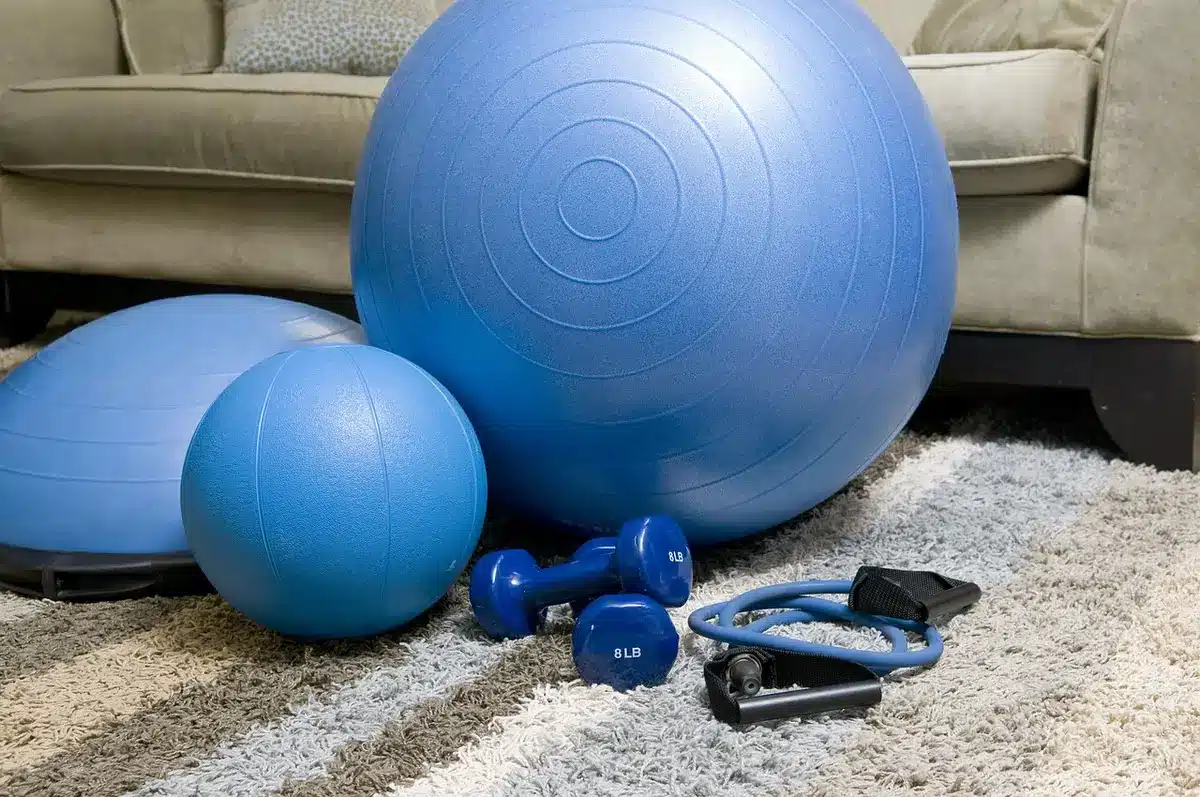
Below are practical moves that target the major arm muscles—biceps, triceps and supporting shoulder stabilizers. Most can be done with a pair of dumbbells and a resistance band; several require only body weight.
| Exercise | Primary target | How to scale |
|---|---|---|
| Push‑up (standard or incline) | Triceps, chest, shoulders | Elevate hands to reduce load; add weighted vest or slow tempo to increase difficulty |
| Triceps dip (bench or chair) | Triceps | Bend knees to make easier; extend legs or add weight for more challenge |
| Bent‑over row | Biceps and upper back | Use single arm dumbbell or resistance band; increase reps or weight |
| Biceps curl (dumbbell or band) | Biceps | Change grip, tempo, or use single‑arm slow negatives |
| Overhead triceps extension | Long head of triceps | Use one or two hands on a dumbbell or a band anchored low |
| Plank‑to‑push‑up | Triceps, shoulders, core | Reduce repetitions or hold plank longer to regress; increase tempo to progress |
Weekly sample routine
Keep sessions short but purposeful. The trainer recommends alternating focused arm days with full‑body or lower‑body sessions to maintain balance.

- Day 1 — Upper: Push‑ups 3×8–12, Bent‑over rows 3×8–12, Overhead triceps extensions 3×10–15
- Day 3 — Arms focus: Biceps curls 3×10–15, Triceps dips 3×8–12, Plank‑to‑push‑up 3×6–10
- Day 5 — Full body: compound lifts, plus accessory arm work as needed
Rest 60–90 seconds between sets for hypertrophy; increase rest if lifting heavier for strength (3–5 sets of 4–6 reps).
Progression tips
Small, consistent increases matter more than occasional maximal effort. Aim to add 1–2 reps per set each week, increase resistance when you can complete the top of your rep range with solid form, or slow the eccentric (lowering) phase to increase time under tension.
If you lack dumbbells, a heavy backpack, filled water jugs or a sturdy resistance band can substitute. Bands are especially useful for maintaining tension through full range of motion and for easy progressive overload.
Technique cues that protect joints and boost results
- Control the descent: lower slowly to increase stimulus and reduce injury risk.
- Keep the shoulder blade stable: for rows and presses, retract slightly to protect the shoulder joint.
- Elbow tracking: during curls and extensions, avoid flaring or collapsing—keep a natural path.
Nutrition and recovery — the other half of the picture
Building muscle requires enough protein and a reasonable calorie balance. The trainer suggests a simple guide: aim for a protein intake spread across meals and prioritize whole foods. Hydration and sleep are nonnegotiable for recovery.
Light mobility work and foam rolling can ease soreness and improve movement quality between sessions.
What to expect and when
Visible changes depend on starting point, body fat, and consistency. Many people notice improved tone and strength within a month, with more pronounced definition after two months of steady training and sensible eating.
Keep tracking progress—photos, a simple log of weights/reps, or performance markers like an increased number of push‑ups—to stay motivated and adjust the plan as you improve.
Ultimately, the most effective home arm program is the one you can follow reliably. Prioritize consistent sessions, gradual challenge, and good recovery, and results will follow.