Show summary Hide summary
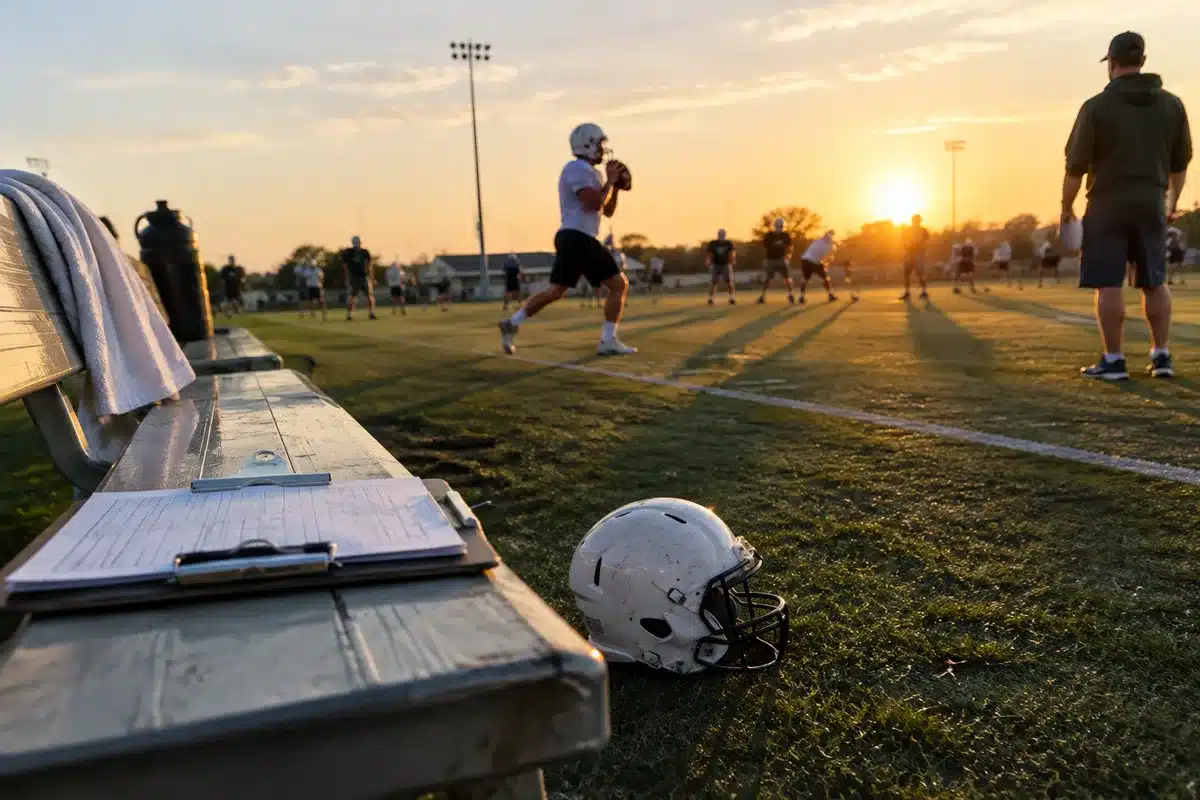
Texas’ season has swung from lofty expectations to urgent damage control in a matter of weeks, and this weekend’s matchup at No. 7 Ole Miss may determine whether the Longhorns still have realistic College Football Playoff hopes — and whether coach Steve Sarkisian can steady a ship that looks off course. With recent losses piling up, the most consequential decision facing Texas could be benching starting quarterback Arch Manning.
Once the nation’s No. 1 team and thought to be built around one of the sport’s most expensive rosters, Texas has dropped consecutive 27-24 games to unranked opponents Oklahoma and Florida. Those defeats have left the Longhorns a single loss from likely falling out of CFP contention for a second straight year and facing three remaining games against ranked opponents.
Why the quarterback debate matters now
The argument for removing Manning from the lineup rests on more than narrative: recent game film and statistics show a player who has struggled to finish drives and protect the ball in critical moments. Against Oklahoma and Florida, Manning combined for multiple fourth-quarter turnovers that erased potential game-winning opportunities. Over six games this season his passing totals sit well below preseason expectations, and he’s already approaching last season’s interception count despite far fewer snaps.
Kankakee woman faces aggravated battery charge after liquor store brawl
Arch Manning scrambling to secure role at Texas as deadline looms

Rushing, which was a significant part of Manning’s value a year ago, has not translated into production this fall; his scramble yardage and touchdown output are down markedly. Coaches and teammates have highlighted talent and work ethic in practice, but those weekly flashes have not consistently translated to game-day performance.
Sarkisian has publicly reiterated his support for Manning while acknowledging a need for improvement. Meanwhile, ESPN reported this week that backup KJ Lacey Jr. has been receiving an expanded share of first-team reps, signaling the staff is exploring alternatives if the starter cannot reverse course.
What benching would change — and what it wouldn’t
- Immediate game plan: A switch at quarterback would force schematic adjustments on offense and could alter play-calling tempo and risk profile.
- Short-term chaos vs. potential reset: Replacing a high-investment starter can introduce growing pains but also offer a fresh look that opponents must prepare for.
- Player development and draft stock: Manning’s visibility and evaluation for NFL scouts would be affected by reduced snaps or a change of scenery if a benching precedes a transfer.
- Coaching scrutiny: Sarkisian’s decision would be judged by results — a successful shake-up could buy time; a failed experiment could intensify calls for change.
- Locker-room dynamics: Team reaction to a high-profile move will matter; leadership and buy-in from teammates can determine whether the switch steadies or destabilizes the roster.
Statistically, the case against continuity is straightforward: Manning’s passing numbers rank in the lower half of conference starters and his interception total is rising faster than his touchdown production. The offensive unit around him — widely regarded as one of college football’s most talent-rich groups — was assembled to simplify the quarterback’s task. When the signal-caller struggles, it magnifies the gaps in execution across the team.
That said, there are reasons why coaches hesitate. Manning’s physical tools and weekly practice performance give staff reasons to believe he can rebound, and midseason quarterback changes carry reputational and tactical risks. For Sarkisian, the calculus is not just who gives the team the best chance this Saturday but which choice preserves longer-term stability.
What to watch this weekend
Key indicators that a benching is imminent would include continued rotation at practice, more first-team snaps for KJ Lacey Jr., and offensive game plans that seem designed to shelter the QB (shorter drops, quicker releases). Conversely, a cleaner performance from Manning — fewer sacks, improved pocket presence and no late turnovers — would likely delay any drastic move.
Ultimately, Texas’ next game is more than one contest on the schedule: it will be a referendum on whether the team can right itself under pressure or whether deeper changes are necessary. For fans, administrators and NFL evaluators alike, the coming days will reveal whether the Longhorns proceed with faith in their starting quarterback or opt for the upheaval they have so far resisted.