Show summary Hide summary
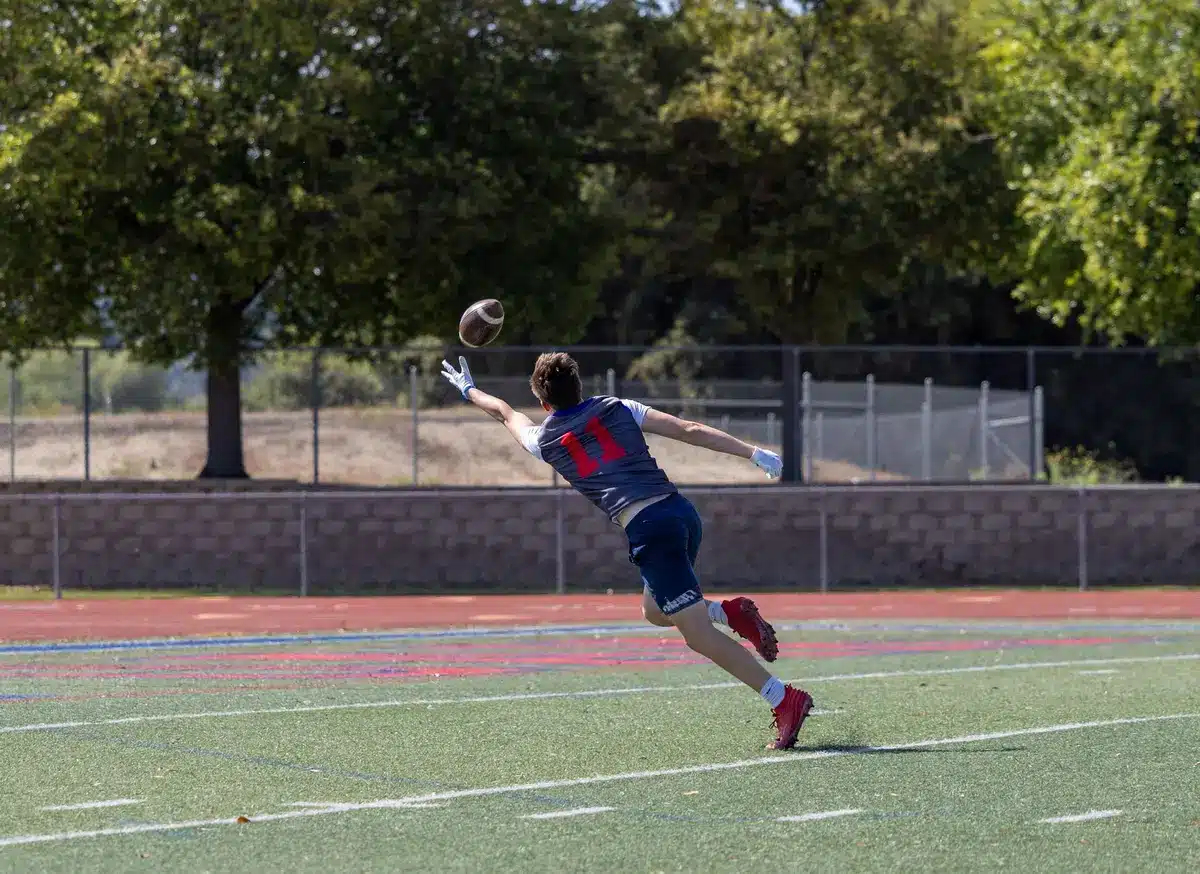
Early returns from the college football season point to an unusual trend: playmakers at the perimeter are dominating headlines and redefining team identities. That shift matters now because it reshapes the Heisman conversation, alters draft projections, and could change how contenders are built through the rest of the year.
College football often swings between quarterback-led campaigns and defense-first eras; this fall, the narrative is tilting toward pass catchers. A string of standout performances from top programs has placed the spotlight on the position, forcing voters, scouts and fans to reassess which skills carry the most value in 2026.
Who’s driving the story
The collection of elite receivers across power programs is unusually deep early in the schedule. A few names are already forcing national conversations about awards and pro potential — and their teams are benefitting in real time.
Community nonprofit marks 105-year milestone: its programs reshape local neighborhoods
Rams’ blockbuster lineup collapses in opener after Australia travel mix-up
- Jeremiah Smith — Ohio State: A true freshman two seasons ago who immediately produced at a high level (1,315 yards, 15 TDs), Smith opened this year with a 156-yard, two-touchdown outing and is widely discussed as a potential No. 1 overall pick in the next NFL draft.
- Malachi Toney — Miami: The Hurricanes’ leading receiver from last season (1,211 yards, 10 TDs) has been efficient in limited action through Miami’s first two games, accumulating 330 yards and four scores despite abbreviated playing time.
- Cam Coleman — Texas: After tallies of 1,306 yards and 13 TDs over the past two seasons at Auburn, Coleman transferred to play with one of the country’s premier quarterbacks and scored twice in his Longhorn debut.
- Jordan Faizon — Notre Dame: Emerging as a clear focal point in South Bend’s passing plan.
- Nick Marsh — Indiana: A consistent target in the Hoosiers’ offense.
- KJ Duff — Rutgers: A reminder that standout receiver performances aren’t confined to elite teams — Duff posted 196 yards and three touchdowns in Rutgers’ opener.
Ohio State’s engine
At the moment, Ohio State looks built around its top pass catcher. Smith’s early-season explosion has reignited scrutiny of the underclassmen rule, pro-readiness and how quickly elite receivers can translate college production to NFL promise. With scouts tracking his route-running and contested-catch ability, his strong start also feeds the Buckeyes’ national-title narrative.
That combination — team success plus individual upside — is often what elevates a receiver into Heisman contention, and bettors have taken note. Smith’s profile checks both boxes: high-volume production on a championship-caliber roster and measurable traits that pro evaluators prize.
Heat elsewhere: Miami and Texas
Miami’s Malachi Toney has been equally efficient when on the field, and his per-touch output this season suggests the Hurricanes can rely on explosive plays even when he plays sparingly. That usage pattern raises questions about workload management and how coaches balance immediate wins with long-term development.
In Austin, Cam Coleman’s move from Auburn to Texas paired him with Arch Manning, which immediately upgraded his receiving environment. When an elite quarterback-receiver pairing forms, statistical ceilings can rise quickly — and so do expectations from NFL scouts and award voters.
Depth across the country
Beyond the blue-chip programs, several mid-tier and rebuilding teams feature receivers capable of game-changing outings. Georgia’s multi-target passing scheme, Notre Dame’s top option in Faizon, and the steady presence of Indiana’s Marsh all show that playmaking at wideout is distributed, not concentrated.
That distribution matters: when many teams have reliable pass-catchers, defensive coordinators must choose where to allocate resources, potentially opening running lanes and creating mismatches elsewhere. It also keeps viewers engaged — big plays can come from anywhere on the schedule.
What this means going forward
The stakes are concrete. A sustained run by receivers will affect the Heisman Trophy debate, influence which prospects rise up draft boards, and drive how teams assemble rosters in recruiting and the transfer market. It also changes game planning and the kinds of matchups that will dominate primetime broadcasts.
It’s still early, and the season will produce twists — injuries, weather-affected games, and quarterback surges can all alter the ledger. For now, though, college football fans should expect more highlight reels from the edges and more season-long narratives centered on elite pass catchers. Enjoy the show while it lasts; this stretch is shaping up to be a prolonged showcase of receiver talent.