
Show summary Hide summary
Emergency departments across the country are straining under heavier caseloads this season, producing wait times that many clinicians and patients describe as a crisis. The bottleneck is not just an inconvenience: it is stretching staff, delaying urgent care and forcing hospitals to juggle resources in ways that affect routine and emergency services alike.
What’s happening now
Joey Weslo: latest updates and what to know today
UFC 334: two championship fights at Madison Square Garden promise a blockbuster night
Hospitals are reporting longer periods of patient boarding — when people remain in the emergency unit because no inpatient bed is available — and slower ambulance handovers, creating backups that ripple through the whole facility. These delays are most pronounced during peak hours and seasonal surges, but administrators say the pattern has become more persistent.
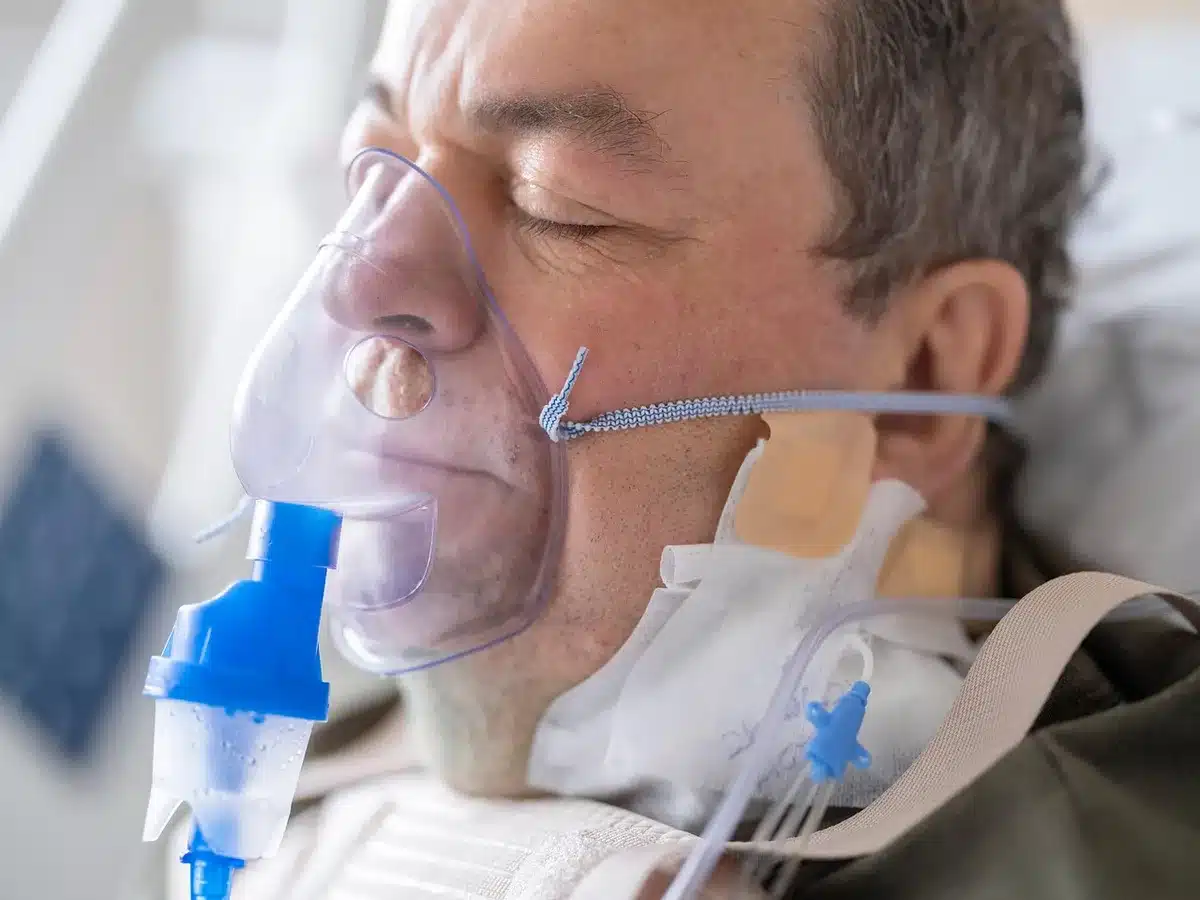
The immediate causes are familiar yet compounding: higher overall emergency visits, limited inpatient capacity, and workforce shortages. When a hospital lacks available beds or staff to admit patients, the emergency department turns into a holding area rather than a place for rapid diagnosis and treatment.
Why this matters to patients now
Extended waits change the calculus of emergency care. Minor injuries and illnesses can deteriorate while waiting; conditions that benefit from rapid intervention—such as sepsis, stroke or severe infections—face greater risk when evaluation is delayed.
For families and caregivers, the impact is practical and emotional: longer time in a crowded, noisy space, reduced access to clinicians, and uncertainty about when a patient will be transferred for definitive care.
- Ambulance offload delays increase response times for new 911 calls.
- ED boarding ties up monitoring equipment and nursing attention.
- Elective surgeries may be postponed as inpatient beds are reserved for urgent admissions.
- Staff burnout and turnover can worsen, reducing capacity further.
On-the-ground effects in hospitals
Emergency departments are adapting with ad-hoc solutions: creating overflow areas, redirecting non-urgent patients to other facilities or urgent care, and extending shifts. These stopgaps can blunt immediate pressure but often carry hidden costs, including higher error risk and reduced continuity of care.

Clinicians report moral strain as they prioritize care under constrained conditions. Nurses and physicians are making difficult triage decisions more frequently, balancing the needs of critically ill patients against long lists of those awaiting assessment.
Policy and system-level pressures
Beyond hospital walls, broader system dynamics are at play. An aging population, delayed primary care visits during earlier pandemic waves, and constrained long-term care options all funnel more complex cases into emergency settings. Payment models and local health infrastructure also influence how readily hospitals can expand capacity.
Policymakers and health system leaders are weighing several responses: temporary staffing boosts, regional coordination to balance patient loads, and investments in post-acute care to free inpatient beds. Each option carries trade-offs in cost, speed and sustainability.
What to watch next
Expect hospitals to report fluctuations as seasonal illnesses spread and as health systems implement short-term measures. Improvements are possible if inpatient throughput increases and workforce gaps are addressed; without those changes, pressure on emergency services may intensify.
For the public, understanding local emergency department capacity and alternatives—like urgent care centers for non-life-threatening problems—can reduce unnecessary visits and help preserve ED resources for the most acute cases.
Keeping an eye on three indicators will be telling over the coming weeks: ambulance offload times, median ED length of stay for admitted patients, and the proportion of emergency visits that result in admission. Changes in those measures will show whether relief efforts are effective or if more substantial reforms are needed.
Short-term fixes are visible now; durable solutions will require coordinated action across hospitals, community care, and policymakers to prevent the emergency department from becoming a chronic holding pattern rather than a place for timely lifesaving care.