Show summary Hide summary
Ohio State opened the preseason AP top 25 at No. 1, a reflection of roster continuity and returning star power as college football rolls toward 2026. That status matters now: it both raises expectations and sets a high bar for a team facing a brutal early schedule and significant turnover on defense.
The Buckeyes’ advantage starts on offense, where experience and elite talent remain concentrated. At the centerpiece is wideout Jeremiah Smith, widely viewed as one of the nation’s best players, while the quarterback room returns Julian Sayin, who finished near the top in last year’s Heisman conversation.
Weight rebound after stopping anti-obesity meds raises risk of suicidal thoughts, study finds
Judy Harvey: who she is and what to know now
Sayin’s critics point to uneven displays in a handful of high-profile games, but those struggles were clustered. Against teams such as Texas, Miami and Indiana he lagged behind his season norms. Still, across the full season Sayin posted a remarkable completion rate and touchdown numbers that suggested the raw tools — accuracy, decision-making and pocket presence — are present.
Reports from early camp indicate Sayin has been the most consistent passer in practice, and the offensive line, now considerably more seasoned, could be the difference maker. A more reliable front five would give Sayin time to operate and open up the ground game, easing pressure on Ohio State’s aerial attack.
Running game and receiver depth
Ohio State’s backfield has intriguing depth. Second-year player Bo Jackson remains a dynamic playmaker, but camp chatter centers on Isaiah West, who has pushed for a larger share of carries after an active summer. If West keeps that momentum, the Buckeyes may boast two dependable rushers rather than leaning on a single feature back.
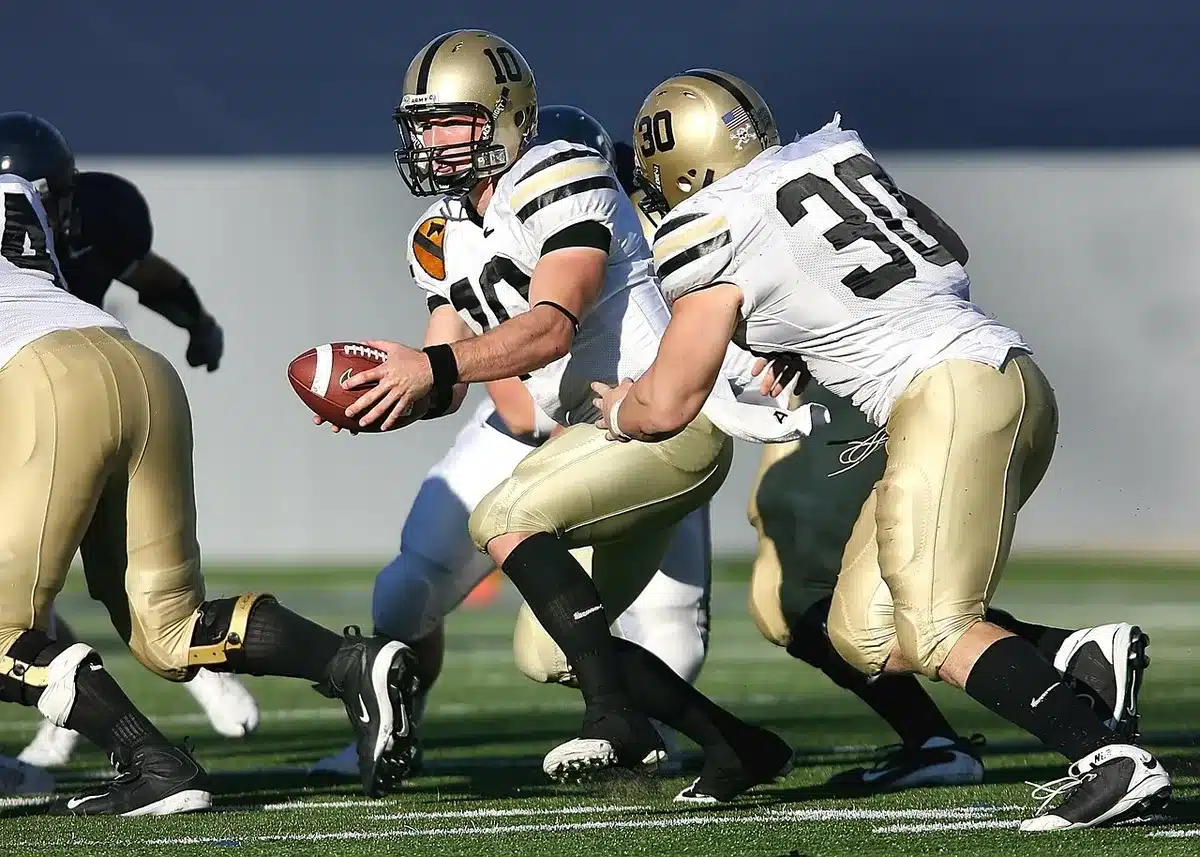
The wide receiver unit is less settled but promising. Transfer Devin McCuin from UTSA appears to be carving out a significant role, while incoming freshman Chris Henry Jr. and veteran Brandon Inniss both show the potential to impact the rotation. That mix of experience and youth gives the offense flexibility — though it also leaves some questions about true No. 1 options.
- Offensive strengths: returning top playmaker, experienced offensive line, multiple ball carriers.
- Offensive questions: receiver hierarchy and consistency in critical situations.
- Quarterback watch: Sayin’s ability to translate camp form into big-game production will be decisive.
Defense in transition
Defensive coordinator Matt Patricia inherits a unit that has lost premium playmakers but still features high-upside athletes. Edge rusher Kenyatta Jackson Jr. has emerged as a cornerstone candidate after a standout offseason and projects as a candidate for early draft consideration if he keeps ascending.
Replacing leaders such as Arvell Reese, Sonny Styles and Caleb Downs is no small task. The front-line talent took a step back in sheer star power, yet depth could improve; the defense’s success will hinge on coaching and how quickly younger pieces acclimate to starting roles.
Last season’s defensive identity — a group capable of shutting down explosive options — may morph into a more collective, assignment-sound unit rather than relying on a handful of game-wreckers. That shift changes how opponents will plan and how Ohio State can control time of possession and field position.
Why this preseason ranking matters
Being singled out at No. 1 injects both expectation and scrutiny. Ohio State’s schedule provides early tests that will determine whether the ranking was justified: away trips to power programs and several ranked matchups at home mean margin for error will be small.

Key implications for the season:
- Strength of schedule: multiple top-tier opponents early could make one loss feel like a major setback.
- Playoff odds: a championship run requires sustained offensive rhythm and quicker defensive development than last year.
- Recruiting and NFL visibility: a successful campaign would solidify Ohio State’s pipeline and professional prospects for key players.
Outlook
The Buckeyes begin the year with a blend of elite talent and open questions. If the offensive line provides consistent protection, and if Sayin carries his camp form into October, Ohio State can justify its top billing. Conversely, a slow defensive start or unsettled receiver production could expose vulnerabilities against a presented gauntlet of opponents.
Ultimately, this team’s narrative will be written in a few marquee games early in the schedule. Expect the national conversation to hinge less on preseason polls and more on how quickly Ohio State turns continuity into wins when the stakes are highest.