Show summary Hide summary
The SEC again fills much of the AP preseason top 25, but that dominance doesn’t guarantee accuracy. As the season approaches, a sharper look at three ranked programs suggests expectations may be inflated — and that matters now because early rankings shape media narratives, playoff odds and how quickly a struggling team comes under pressure.
#8 Texas A&M
Trump faces fallout from robust jobs report: economic boom pitch falters
Christopher Breach joins Shaw Local News Network: local reporting to gain new voice
Last season’s surge under coach Mike Elko — an 11‑2 finish — raised real hopes in College Station. Yet a closer read of that record shows a reliance on a narrow set of wins and frequent breakdowns when opponents brought pressure.
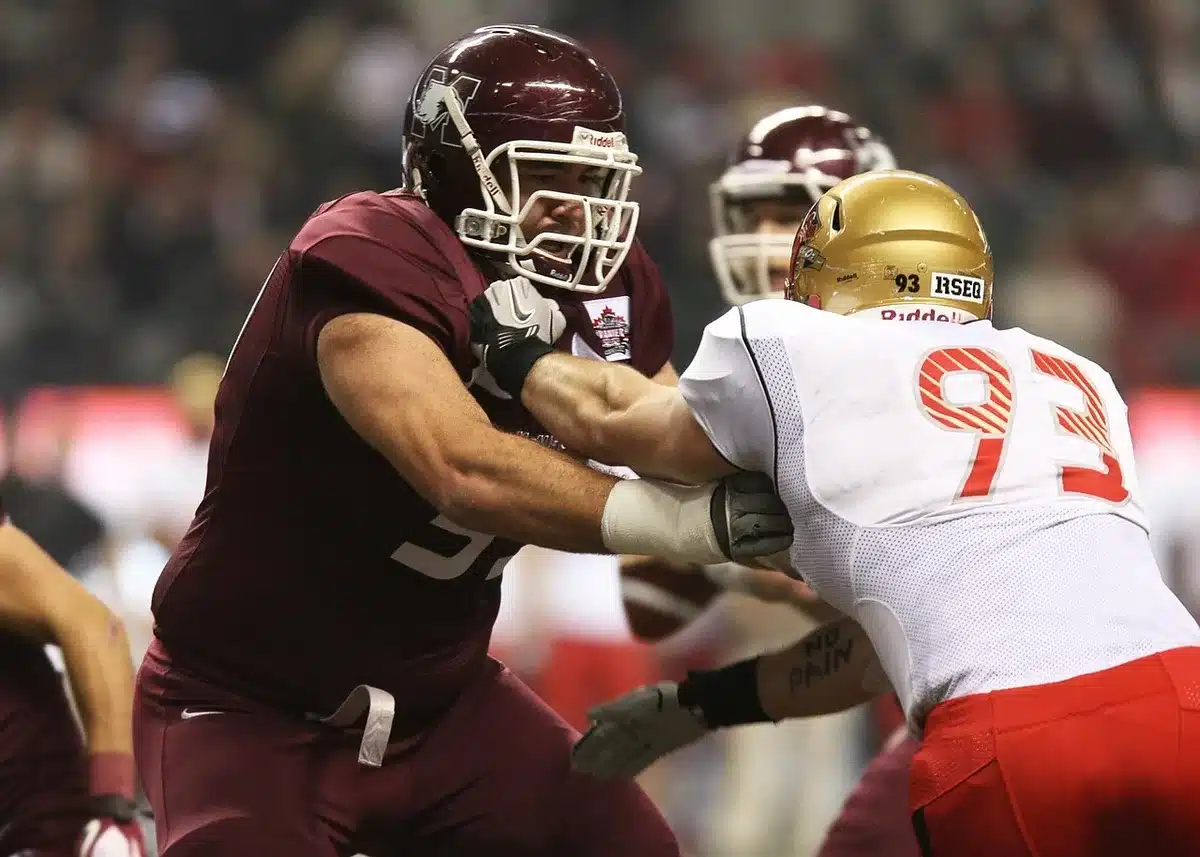
Texas A&M’s primary concern is protection. The running game and timing were often undermined by a line that struggled against speed and power up front, and the quarterback’s performance dipped whenever pockets collapsed. The Aggies made modest moves in the offseason but not wholesale overhauls, and their 2026 slate includes more opponents who can exploit those weaknesses.
Put simply: if the front five doesn’t improve, the offense will be hard-pressed to match the preseason billing. For fans and pollsters, early optimism could evaporate quickly once the SEC grind begins.
#18 Penn State
Penn State’s place in the preseason top 25 rests on returning talent and defensive pedigree, but there are cracks that invite skepticism. The Nittany Lions’ offense has shown inconsistency in finishing drives, and play-calling balance remains an open question heading into the new season.
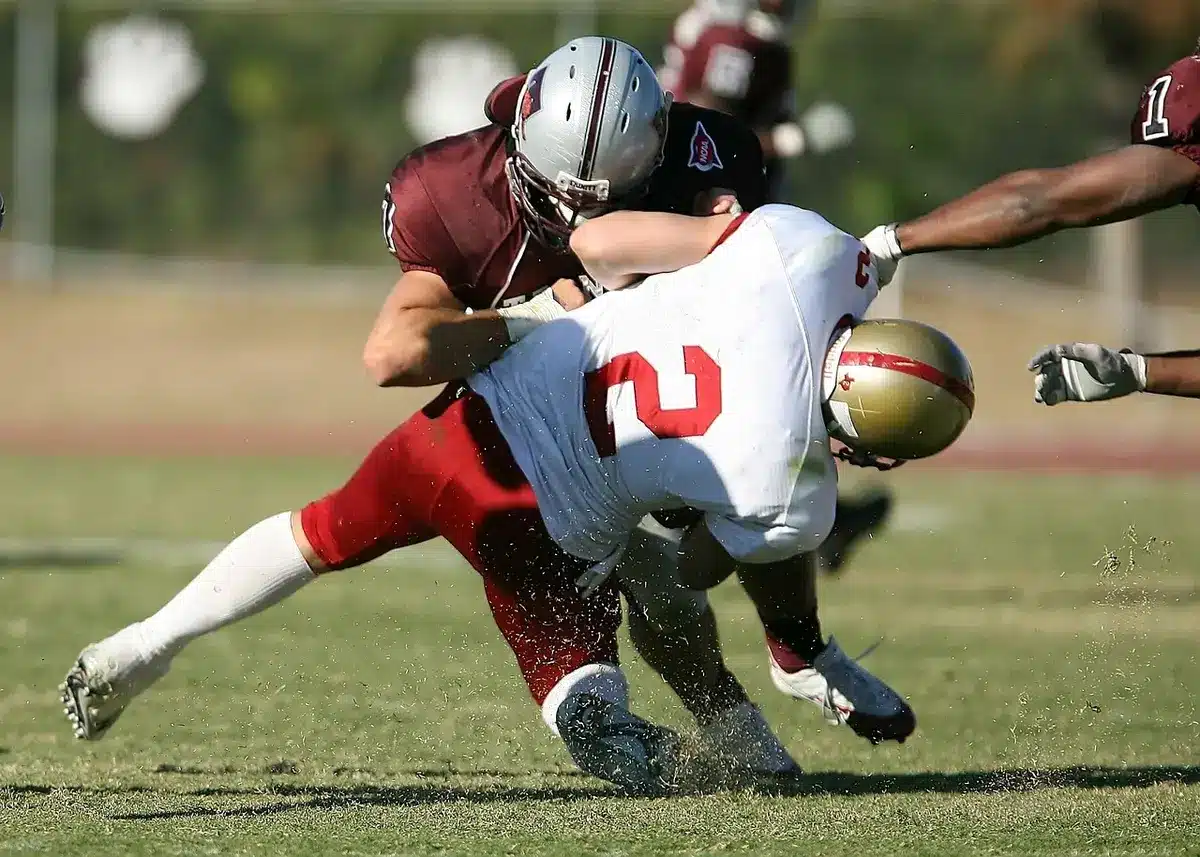
Defensively, big-play susceptibility at key moments—particularly on third downs and in the red zone—left the team vulnerable in close games last year. If those situational issues persist, Penn State may underachieve relative to its ranking, especially against opponents that can sustain long drives or force turnovers.
Clemson (Top 25)
Clemson remains a brand-name program with pedigree and recruiting strength, but recent seasons have exposed volatility. A change in personnel at skill positions and uneven quarterback play have made the Tigers less predictable than voters might assume.
Depth is the headline concern: turnover in key roles and a younger rotation in critical spots raise the possibility of midseason slippage. In conference play, teams that exploit quick tempo or pressure can make Clemson’s rhythm difficult to establish.
These three teams are not doomed; each has the coaching and talent to exceed expectations. The point is that preseason placement can overstate stability. For readers tracking playoff projections, betting markets or ticket interest, early-season performance will reveal whether these rankings were earned or assumed.
| Team | Preseason rank | Primary concern(s) | What to watch first |
|---|---|---|---|
| Texas A&M | #8 | Offensive line protection; QB consistency | Performance vs. opponents that pressure the pocket |
| Penn State | #18 | Finishing drives; situational defense | Third‑down and red‑zone efficiency |
| Clemson | Top 25 | Depth at key positions; quarterback play | Early nonconference games and rotation stability |
- Why this matters now: preseason narratives influence rankings and public perception, which can shorten patience for coaches and shape the playoff conversation early.
- What to expect: watch the first three games for true indicators—offensive line performance, red‑zone defense, and quarterback decision‑making tend to separate contenders from overhyped teams.
In an era when polls and pundits move markets and momentum, distinguishing justified optimism from inflated expectation is valuable. These three programs all have upside; the question for 2026 is whether their weaknesses are temporary or deep enough to knock them down the rankings once the season starts.