Show summary Hide summary
Islam Makhachev’s victory over Ian Machado Garry at UFC 330 did more than secure another title defense — it extended a remarkable run that now stands as the longest winning streak in UFC history. That milestone, and the fact he has won at two weight classes, is already reshaping conversations about where he ranks among MMA’s all-time greats.
Record-setting night in Philadelphia
Trump faces fallout from robust jobs report: economic boom pitch falters
Christopher Breach joins Shaw Local News Network: local reporting to gain new voice
On Saturday, Makhachev walked out of the arena with his welterweight belt intact and a streak that reached 17 straight wins inside the Octagon. That figure eclipses the long-standing mark previously associated with Anderson Silva and represents a rare level of sustained success in modern UFC competition.

Numbers alone don’t settle the debate, but they explain why the question of greatness follows him now: consistent victories at the highest level change how opponents, promoters and fans view a fighter’s legacy.
A résumé built across divisions
Makhachev’s path has not been limited to dominance in a single category. He rose through the lightweight ranks, claimed that title and defended it multiple times before moving up in weight class to capture the welterweight crown.
- Undefeated run in the UFC dating back to 2016
- Lightweight champion with multiple successful defenses
- Two-division titleholder, having won at 155 and 170 pounds
- 17 consecutive wins, now the longest streak in UFC history
Moving up in weight forced Makhachev to adjust — dealing with more power and different physical matchups — and so far he’s answered those challenges. Against Garry, the victory was less about highlight-reel moments and more about control: imposing strategy, limiting damage, and leaving with the belt.
How he wins matters
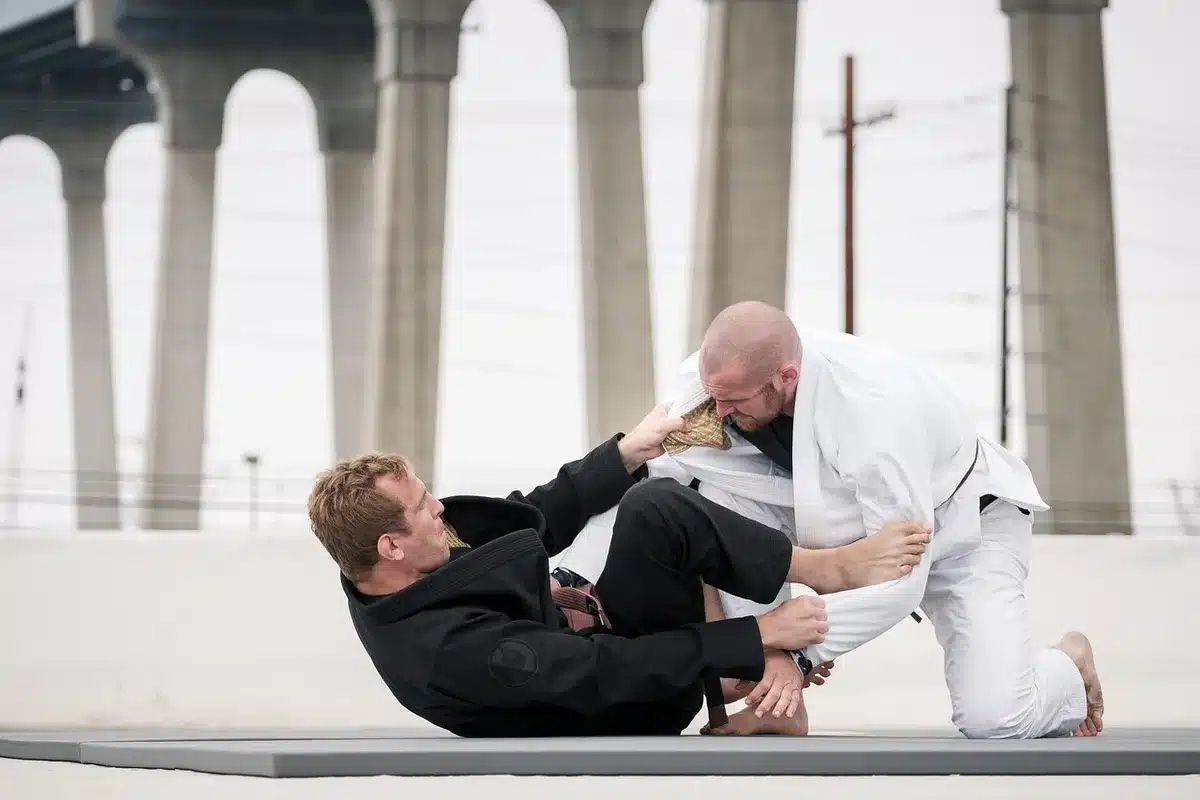
Makhachev’s game remains rooted in high-level wrestling and tight submissions, tools that translate across opponents and weight classes. That foundation has allowed him to dictate fights, minimize risks and close out rounds without necessarily needing spectacular finishes every time.
Such a pragmatic approach contributes to longevity; consistent, low-variance performances build long streaks in ways flashy knockouts sometimes do not.
Comparisons and context: what about Khabib?
Any conversation about the modern MMA elite inevitably brings up Khabib Nurmagomedov, the former lightweight champion who retired undefeated and dominated his era. Khabib and Makhachev share a lineage — similar skill sets and a common training camp — which invites direct comparison.
But parallels have limits. Khabib’s career trajectory, the timing of his retirement and the opponents he faced differ from Makhachev’s path. Conversely, Makhachev’s success across two weight classes and his record-breaking streak give him distinct credentials that Khabib did not pursue.
Ultimately, ranking fighters across eras involves more than wins and titles: quality of opposition, timing, rule changes and even weight-class moves factor into any assessment. Makhachev’s recent run, however, makes a compelling, evidence-based argument that he belongs in the upper echelon of MMA history.
For now, the headline is clear: Makhachev’s blend of consistency, adaptability and championship pedigree has pushed him into the GOAT conversation — and every new defense will only sharpen that debate.