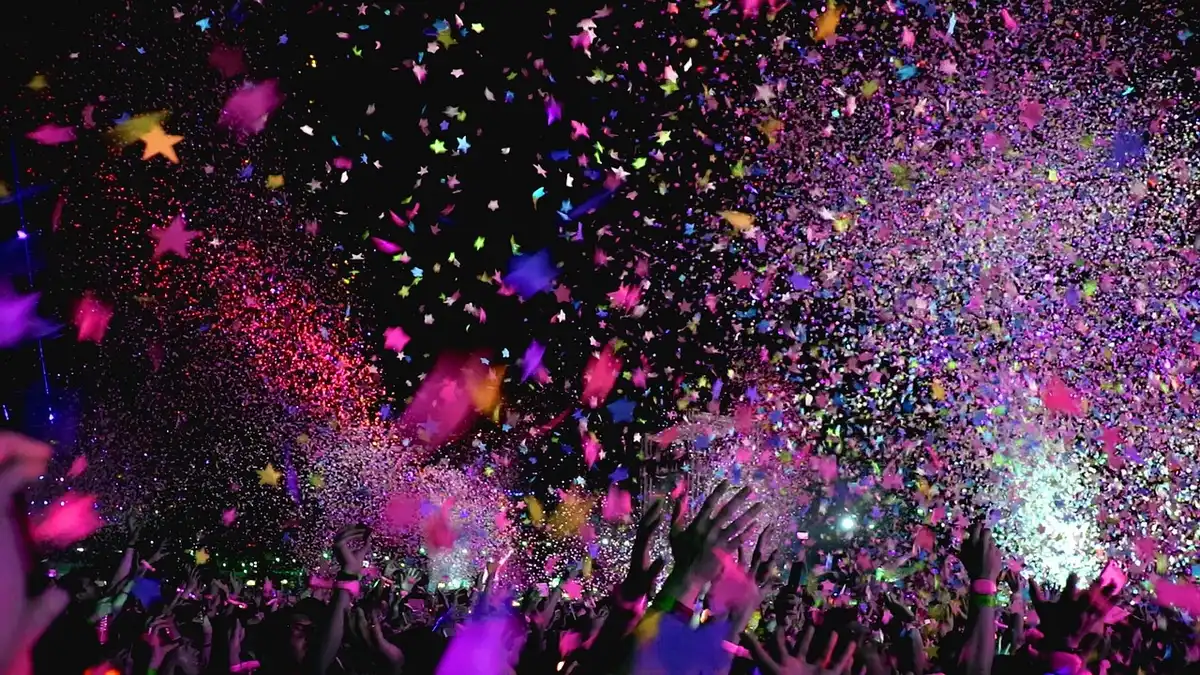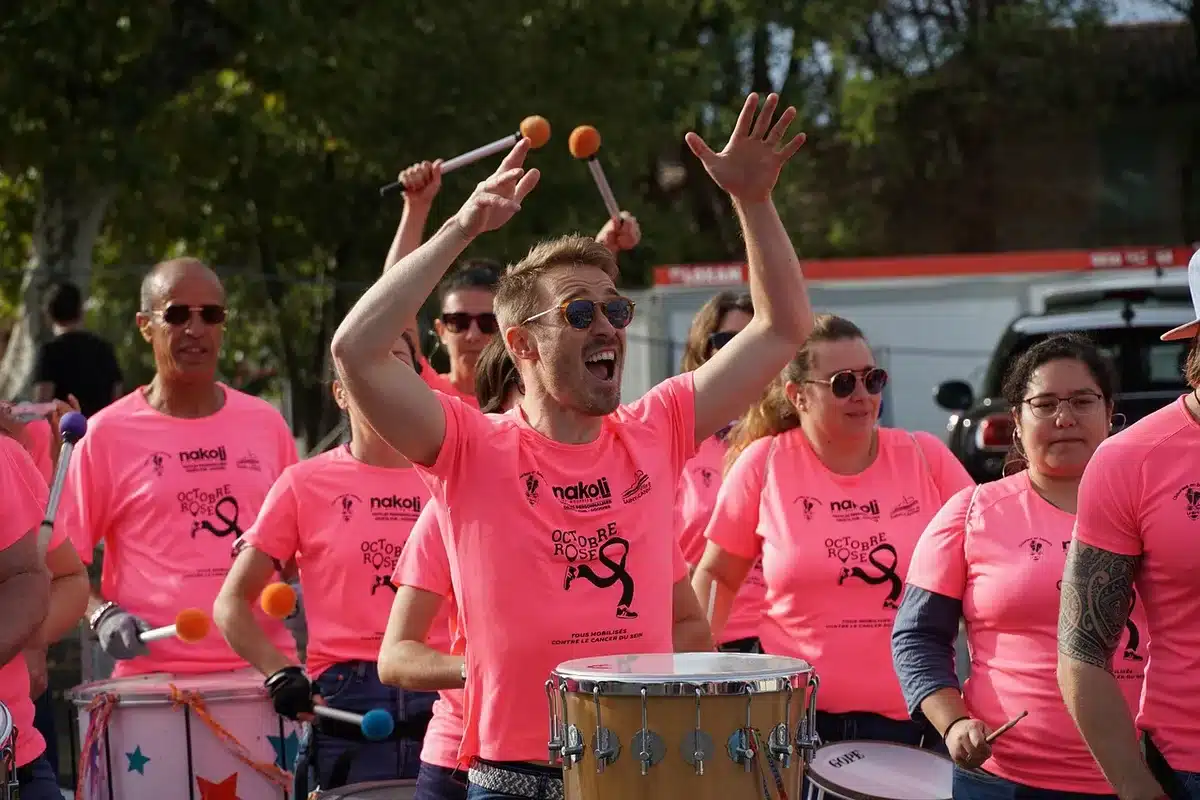
Olivia Rodrigo’s recent festival has become a rallying point for young women and girls, channeling concert energy into concrete support for organizations that promote physical and emotional well-being. The event converted a pop-music moment into a hands-on platform for nonprofits, drawing attention to services that range from mental-health counseling to reproductive-care navigation.
A stage for causes
The festival combined live performances with on-site nonprofit engagement: information booths, counseling sign-ups, and volunteer recruitment tables were spread through the venue, giving attendees immediate ways to connect. Organizers deliberately mixed entertainment with outreach, so fans could leave with more than a memory—many left with contacts, resources, or plans to volunteer.
Why this matters now
Younger audiences increasingly expect public figures to back causes, not only to tweet about them. By aligning a high-profile cultural event with service organizations, the festival converted short-term visibility into practical support. For nonprofits that struggle to reach teens and young adults, that kind of direct access can translate into steady volunteer pipelines and long-term donors.
Cleveland Guardians threaten to upend playoff favorites in October
Nutrients falling in common foods: new research raises health alarms
What attendees found on site
– Sign-ups for counseling and peer-support groups.
– Educational workshops on topics such as stress management and sexual health.
– Resource tables from local and national nonprofits offering legal, medical, and educational assistance.
– Micro-donation stations that let fans contribute small amounts instantly.
Concrete benefits for charities
The immediate effects were plain: higher traffic for outreach booths, new mailing-list subscribers, and fresh volunteer sign-ups. Beyond that, organizations reported increased social-media engagement after the event—an important indicator for future fundraising and advocacy campaigns. Celebrity-backed events also generate earned media, reaching people who might otherwise never visit a nonprofit website.
Balancing attention and impact
Experts in nonprofit outreach say celebrity events can backfire if they stop at visibility. Sustainable impact requires follow-up—continuity in funding, long-term volunteer coordination, and measurable outcomes. The festival’s organizers addressed that concern by facilitating ongoing connections: many booths offered follow-up appointments, regular meeting schedules, and ways to plug into local chapters.
The people behind the work
Volunteers and staff from participating groups described a mix of excitement and urgency on the ground. For younger volunteers, the festival was an entry point into civic engagement; for experienced staff, it was an opportunity to meet potential donors and future leaders. The mix of ages and backgrounds among attendees helped organizations tailor their messaging—from crisis hotlines to career mentoring—so it resonated across generations.
Broader implications
Events of this kind can shift how musicians and their audiences think about activism: moving from hashtags to tangible assistance. They also raise questions for policymakers and funders about how to support scalable partnerships between cultural events and frontline service providers.
Looking ahead
If celebrity-driven festivals are to boost the well-being of women and girls sustainably, follow-through matters. Continued partnerships, transparent reporting from nonprofits, and small but steady funding commitments will determine whether a single weekend of attention turns into lasting change.
For now, the festival demonstrated one clear result: when pop culture and public service intersect thoughtfully, young people show up—not just as fans, but as participants in civic life.