
Show summary Hide summary
At the annual Jackson Hole symposium, former Fed governor Kevin Warsh pressed a familiar but urgent point: policymakers must be prepared to act at their next policy meeting if inflation shows renewed strength. His remarks, amid a chorus of cautious commentary from central bankers and market strategists, sharpen the debate over whether the Fed will pause, pivot or raise rates again—and why that matters for borrowing costs, markets and household budgets today.
Warsh’s warning and the policy stakes
Fed faces pressure after Warsh comments: Jackson Hole takeaways
Teacher attendance outpaces student rates in many districts: is your school an exception?
Warsh framed the choice for the Federal Reserve as one between complacency and preemption. He suggested that recent data and loosened financial conditions increase the risk that inflation could re-accelerate, forcing a more abrupt reaction later. That argument puts pressure on the Fed to demonstrate responsiveness at its next meeting rather than wait for clearer evidence of rising price pressures.
The practical consequence is straightforward: investors will be watching incoming inflation, wage and spending data more closely, and the Fed’s language will be scrutinized for any sign that a “pause” might be shorter than markets currently assume.
How markets and households may feel the impact
Even subtle shifts in the Fed’s tone can ripple across financial markets. A perceived tilt toward tighter policy typically lifts short-term yields, tightens mortgage spreads and cools risk assets. For consumers, that can mean higher borrowing costs and slower price declines in services.
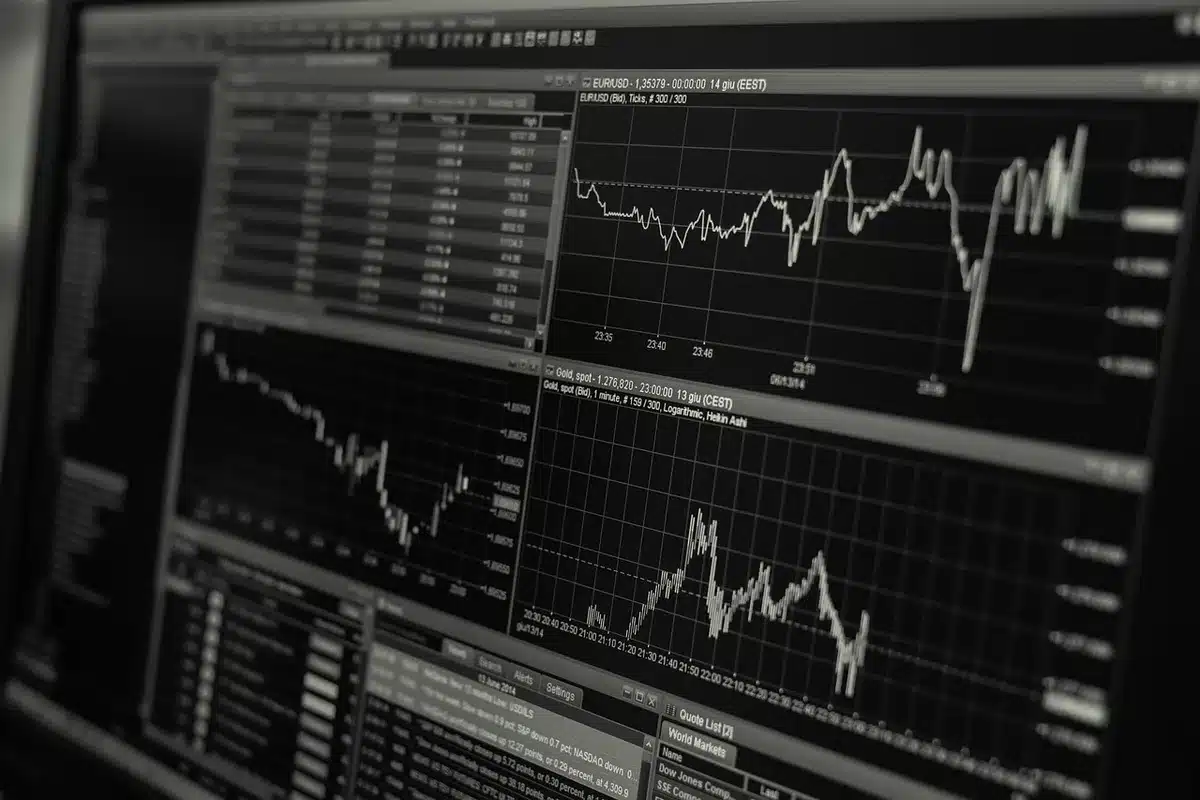
- Mortgage and loan rates: A hawkish signal tends to push borrowing costs up, affecting homebuyers and refinancers.
- Stock markets: Higher rates often reduce the present value of future earnings, increasing market volatility.
- Emerging markets: Global capital flows can reverse, pressuring currencies and external financing costs.
Other notable themes from Jackson Hole
The symposium highlighted several broader lines of debate that extend beyond Warsh’s remarks. Central bankers traded perspectives on the relationship between labor market tightness and price dynamics, the role of fiscal policy in supporting demand, and the long-term implications of elevated public debt on monetary choices.
Some speakers emphasized that disinflationary progress has been uneven—core services costs remain sticky even as goods inflation has cooled—while others pointed to improved inflation expectations as a reason for measured policy. This divergence reflects a central challenge for the Fed: weighing the risks of overtightening against those of allowing inflation to regain momentum.
What to watch next
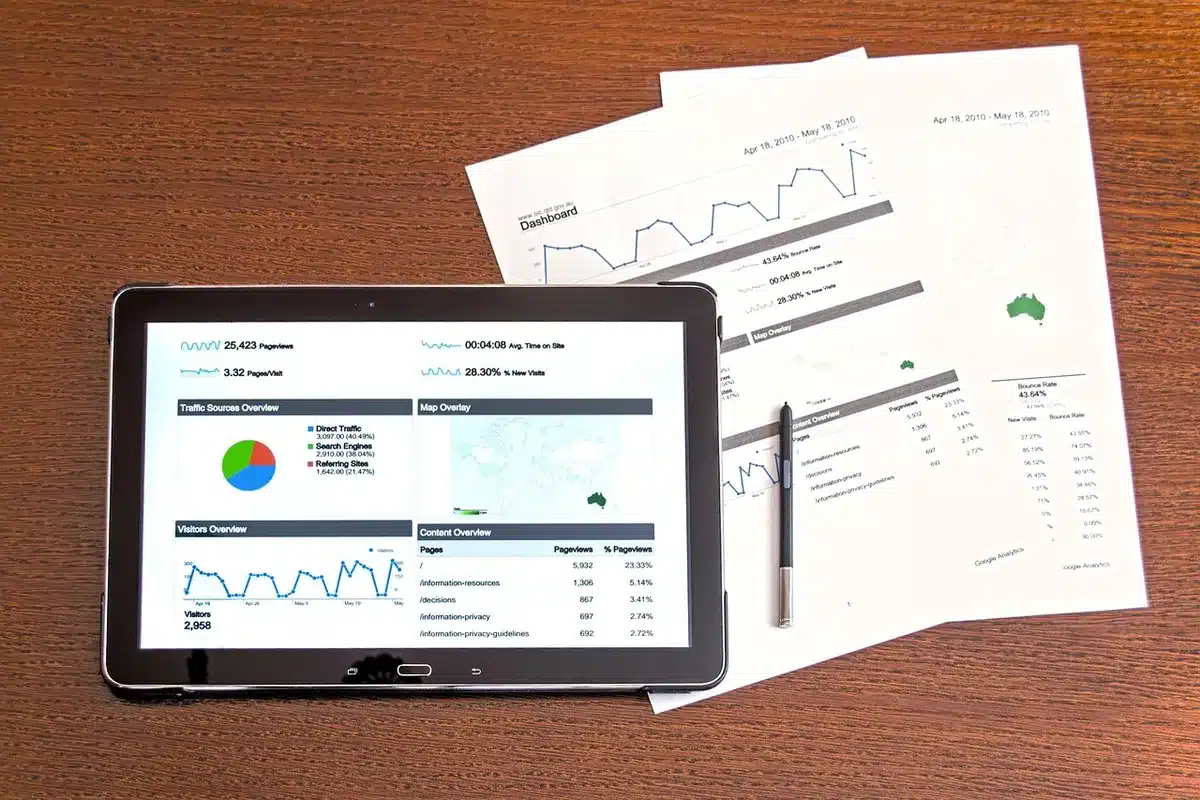
Policymakers will base near-term decisions on a narrow set of incoming indicators. Watch for monthly inflation reports, the next employment release, and any shifts in consumer spending or wage growth. Equally important will be the Fed’s post-meeting statement and its updated projections; these communications can be as market-moving as the vote itself.
- Inflation prints—especially core measures excluding volatile items
- Employment trends and wage growth
- Fed communications for language indicating a bias toward tightening
- Market pricing of rate expectations and the shape of the yield curve
Why this matters now
The central question from Jackson Hole is whether the Fed will accept a period of lower inflation as durable or act preemptively to prevent a rebound. That choice affects interest rates, credit availability and the economic backdrop for growth this year. For households and investors, the immediate takeaway is increased uncertainty: decisions about mortgages, business investment and portfolio positioning are more sensitive to short-term data and Fed signaling than they were several months ago.
Jackson Hole did not produce a consensus solution, but the conference sharpened the trade-offs facing the Fed. If Warsh’s caution resonates with policymakers, the forthcoming FOMC meeting could mark a turning point in the policy outlook—one that markets and consumers will feel in rates and lending conditions.