Show summary Hide summary
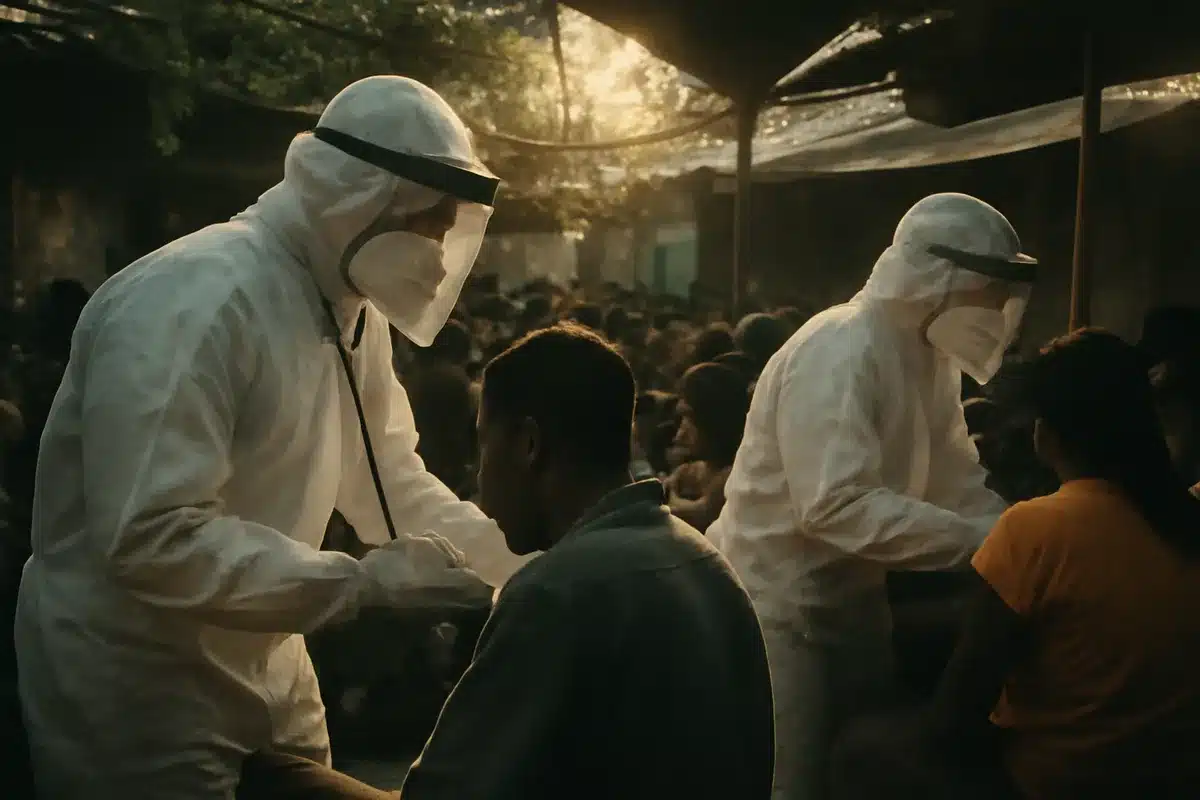
The Ebola outbreak sweeping parts of the Democratic Republic of Congo has reached a critical new phase: more than 2,000 people have died and government reports list 4,381 confirmed infections, driving urgent questions about treatment, containment and what — if anything — U.S. residents should do. Health authorities say the immediate danger to most Americans remains low, but the emergence of a genetically distinct virus strain complicates response efforts and raises stakes for international aid workers and local health systems.
How the outbreak is unfolding
Clusters of illness have concentrated in eastern and northeastern provinces of the DRC, with earlier cross-border cases reported in Uganda. Public health teams face stretched resources, dense population centers and frequent security disruptions that hinder routine measures such as contact tracing, safe burials and vaccine delivery.
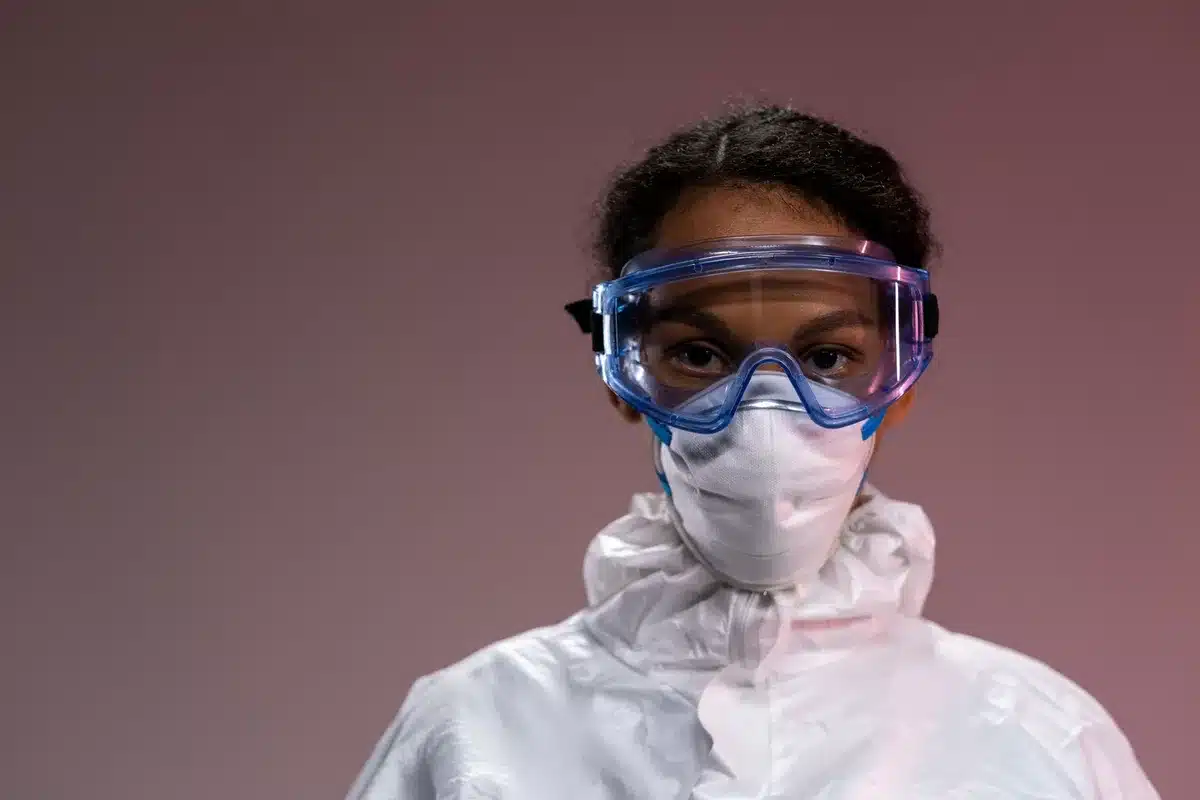
Infectious disease experts note the pace of transmission is faster than in many prior Ebola events. Dr. Evan Wohl, who is following the outbreak closely, says access problems and ongoing instability make containment unusually difficult, allowing infections to spread before interventions can reach affected communities.
Michael Page dropped from UFC rankings despite victory: what it means for his career
Viral video shows 81-year-old delivery worker struggling with heavy luggage
For now, global agencies including the World Health Organization and the U.S. Centers for Disease Control and Prevention remain engaged in surveillance and support, tracking case counts and coordinating emergency response partners.
Why this strain matters
Laboratory analysis shows the virus driving the current surge belongs to the Bundibugyo species, which is genetically different from the Zaire strain that dominated the 2014 West Africa epidemic. That distinction is more than academic: most licensed Ebola treatments and vaccines were developed and approved based on the Zaire virus, and they have not been authorized for Bundibugyo infections.
Researchers are actively testing whether existing therapeutics provide protection against this variant and are evaluating new vaccine candidates tailored to the strain. Scientists also point to modern platforms such as mRNA technology as tools that could shorten development timelines if a strain-specific vaccine is needed.
What this means for Americans
Health officials emphasize that everyday risk for people in the U.S. is extremely low. Ebola spreads through direct contact with the bodily fluids of people who are symptomatic or deceased from the disease, not through casual, airborne transmission.
Past U.S. experience underscores this point: during the 2014 outbreak, only a handful of cases were diagnosed in the United States, and most were linked to travel or medical evacuation.
- General public: Low risk. Routine fevers or headaches are far more likely to be caused by common illnesses.
- Travelers to affected areas: Increased risk; consult travel advisories and health authorities before departing and on return.
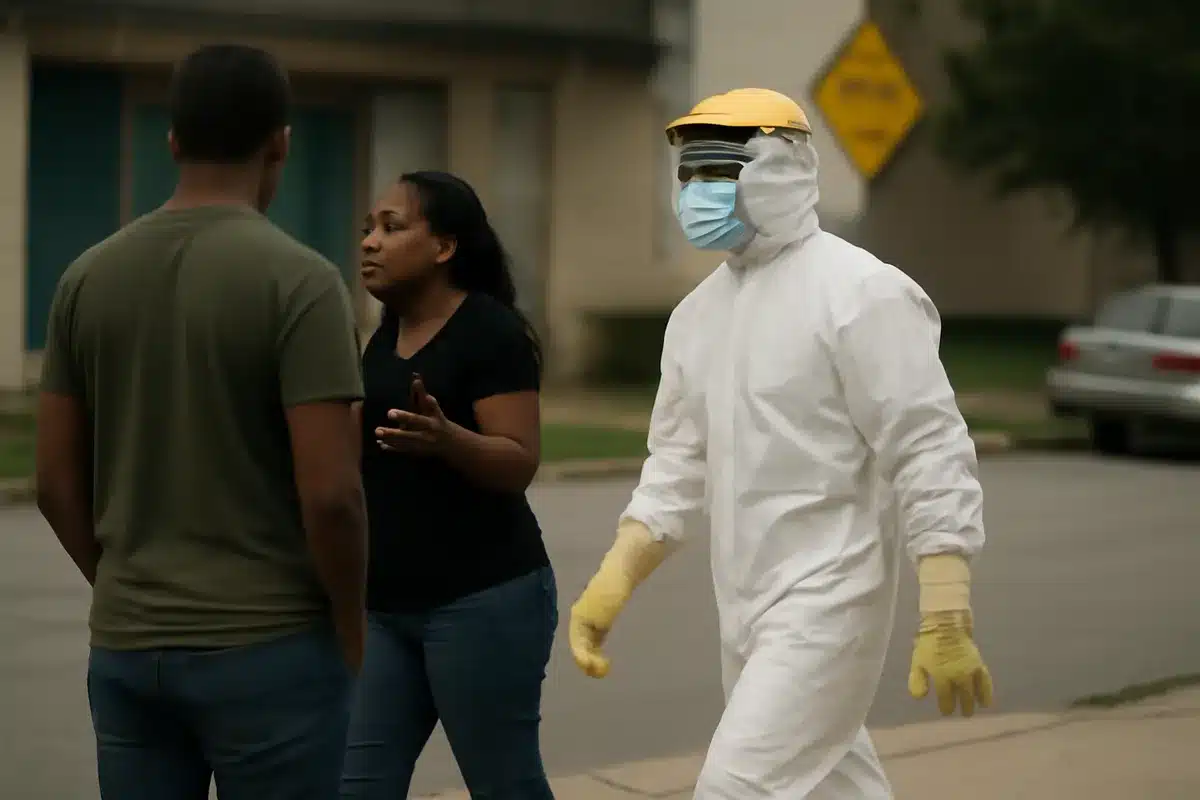
- Healthcare workers and responders: Highest occupational risk. Proper infection-control training and personal protective equipment are essential.
- Policy and aid actors: The outbreak heightens the need for coordinated international support to prevent further spread and collapse of local health services.
Treatment, research and international response
Because approved Ebola therapies are not officially indicated for Bundibugyo infections, clinicians and researchers are conducting studies to assess which existing drugs and vaccine candidates might work. That process — from laboratory testing to clinical trials — takes time and on-the-ground coordination.

International partners are attempting to expand diagnostic capacity and deliver supplies to hard-to-reach areas. Experts say getting personnel, vaccines and therapeutics into unstable districts is the most immediate operational bottleneck.
Dr. Wohl and other public-health officials stress that increased funding, logistics support and local engagement are critical to reversing the trend. Without swift, scalable interventions the outbreak could continue growing in affected regions, amplifying human suffering and the burden on fragile health systems.
Key takeaways
- The current outbreak has caused more than 2,000 deaths and 4,381 confirmed cases, according to government data.
- The circulating virus is the Bundibugyo species, genetically distinct from the Zaire strain targeted by most approved Ebola products.
- Average Americans face minimal direct risk, but healthcare workers and travelers to the region should follow official guidance.
- Global surveillance and accelerated research — including use of modern vaccine platforms — will be essential to control the outbreak.
The situation remains fluid. Public-health agencies will continue to update guidance as new data and trial results become available, and international cooperation will determine whether the tide can be turned in the coming weeks.