Show summary Hide summary
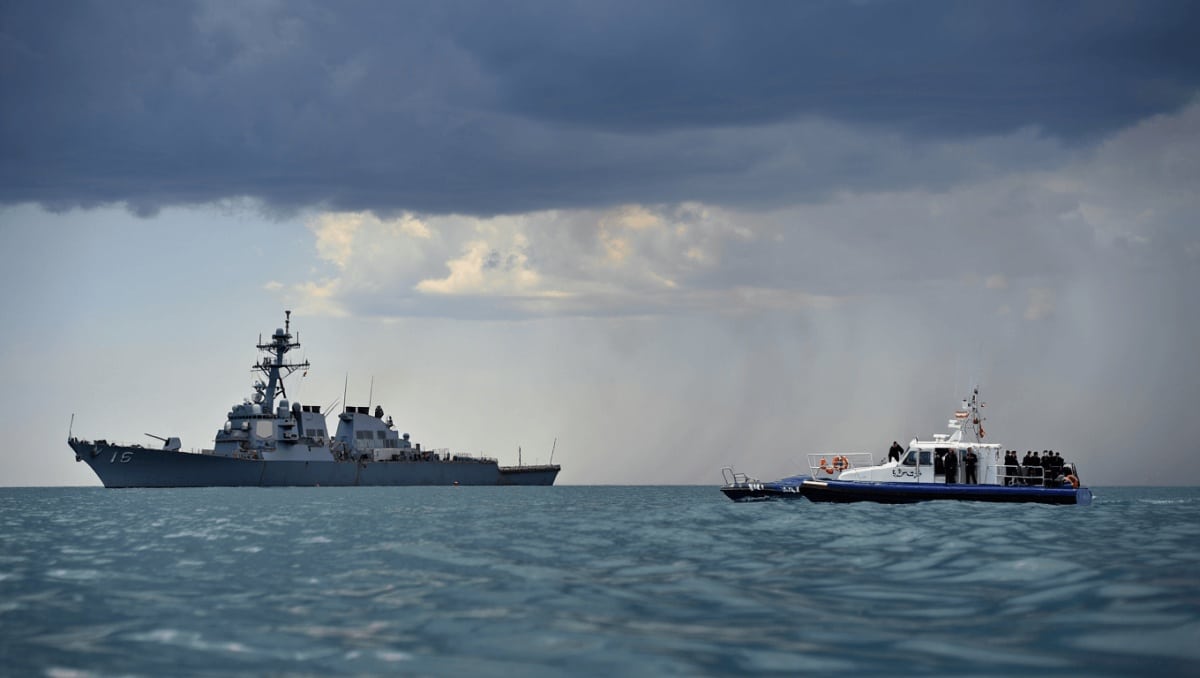
After nearly two weeks of tit‑for‑tat strikes across the Gulf, Washington has stepped back from offensive strikes against Iranian coastal targets, a move U.S. officials say is meant to give diplomacy room to breathe — and which could matter for global shipping and energy prices if it holds. Mediators, including Oman, are said to be pressing both sides to extend an interim truce and restore safer transit through the region’s busiest waterways.
Temporary halt seen as opening for talks
U.S. strikes have paused for several nights and, according to an Iranian army spokesperson, Tehran has matched that pause. The White House has not detailed a timeline or public conditions for reopening attacks, saying only that it is allowing negotiations some space to proceed.
Kankakee County board spotlights Aroma Park, Asbury UMC and Project Headspace and Timing
Silva vs Delgado shocks Noche UFC: surprise card ends in cascade of stoppages
U.S. Ambassador to the U.N. Mike Waltz told media the administration is deliberately giving talks “some room,” and confirmed diplomatic channels — from senior officials down to technical teams — have been active in recent days. He rejected suggestions that U.S. missile intercept stockpiles are critically depleted, though outside analysts warn both sides may find a prolonged exchange costly.
Regional mediators describe the lull as a constructive signal, not a ceasefire with binding guarantees. Officials involved in the discussions say negotiators are working to revive an earlier interim arrangement and to agree on how shipping through the Strait of Hormuz will be managed in the near term.
Maritime traffic and energy stakes
A U.S.‑linked maritime authority reported commercial transits through the strait at their lowest level in three weeks and said no fresh attacks had been verified in the past 72 hours. Traffic through the Bab al‑Mandeb, the chokepoint into the Red Sea, was described as steady, though tension rose after Houthi militants in Yemen threatened restrictions there.
The slowdown matters beyond regional security: disruptions to shipments and insurance costs can push oil and fuel prices higher, a direct economic consequence for consumers worldwide as markets react to instability in two strategic chokepoints.
- Shipping: Reduced transits through the Strait of Hormuz, continued rerouting and some interdictions reported.
- Energy supply: Tightening risk premiums on crude and refined products as traders price in possible interruptions.
- Military posture: U.S. forces say they remain vigilant; recent operations have included ship boardings and redirections.
- Diplomacy: Oman and other intermediaries are engaged to negotiate an interim arrangement preserving maritime traffic.
Iran’s foreign ministry said talks with Oman had shown progress and stressed that the current interim arrangement allows Tehran to play a central role in managing vessel movements. Tehran has objected to U.S. proposals that would route some traffic closer to Omani waters, arguing the strait should retain its internationally recognized status for passage.
Military incidents and regional ripple effects
Over the past days, strikes tied to the wider confrontation have hit facilities hosting U.S. forces in the region, and U.S. officials report casualties at bases in neighboring countries. Such attacks have been cited by Washington as justification for limited retaliatory strikes earlier in the escalation.
At the same time, the U.S. military says it has reimposed a naval enforcement posture in the area, redirecting and, in some cases, boarding commercial vessels. Officials emphasize that forces remain “highly vigilant” and prepared to defend ships and personnel.
Experts note a risk that any single miscalculation — a missile strike that misses its target, a boarded vessel that resists, or a proxy strike on allied forces — could rapidly reverse the tentative calm.
Political alignment and Washington visit
Israeli Prime Minister Benjamin Netanyahu is due to meet President Trump in Washington, a meeting his office says will focus in part on strategies to constrain Tehran. Netanyahu publicly endorsed U.S. pressure on Iran, while urging that efforts avoid a return to broad, sustained military conflict if possible.
Netanyahu warned, however, that any renewed attack by Iran or its proxies against Israel would be met with force — a reminder of how the conflict’s local dimensions remain tightly linked to broader regional calculations.
For now, the situation is fragile: the temporary pause gives negotiators space to seek a diplomatic bridge, but the stakes for shipping, energy markets, and regional security mean observers will be watching closely for any sign the restraint is breaking down.