Show summary Hide summary
Researchers say a laboratory advance could bring a vaccine for a major bacterial cause of severe diarrhea one step closer — a development with potential to change outcomes for children in affected regions. The technology, described in newly published work, has been licensed to French vaccine maker Valneva to continue development toward a usable immunization.
Enterotoxigenic Escherichia coli, commonly known as ETEC, is a leading bacterial trigger of serious diarrheal disease worldwide, particularly among young children in low- and middle-income countries. For decades scientists have struggled to design a vaccine that neutralizes the bacterium’s disease-causing mechanisms; the new approach specifically targets a problematic toxin that has blocked progress in past efforts.
Why this matters now
Michael Page dropped from UFC rankings despite victory: what it means for his career
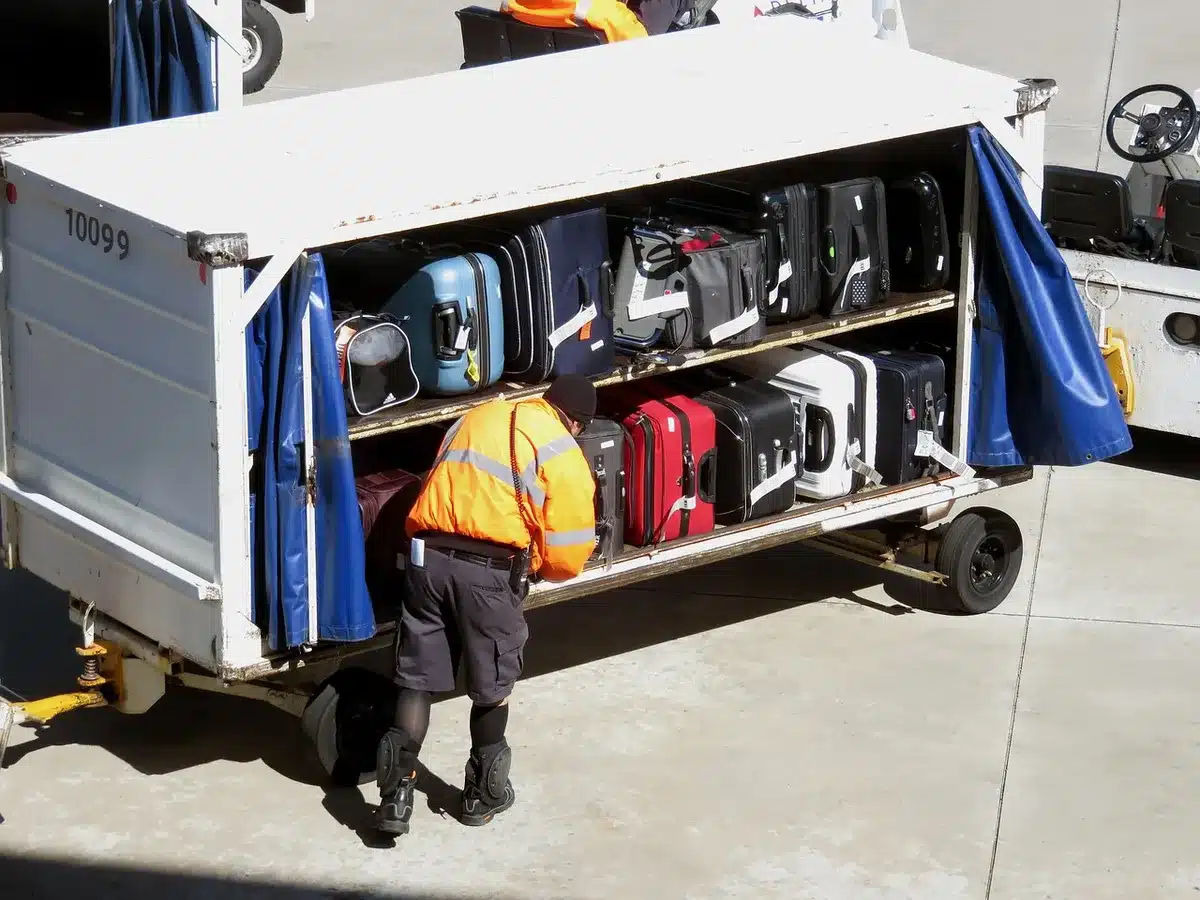
Viral video shows 81-year-old delivery worker struggling with heavy luggage
Diarrheal illnesses remain a top contributor to childhood morbidity and mortality in many regions. A vaccine that prevents severe ETEC infections could reduce hospitalizations and long-term complications from repeated gut infections, easing pressure on fragile health systems and lowering treatment costs.
The research is the product of long-running work at the University of Bergen together with the Norwegian Research Centre (NORCE). Investigators say the recent findings clear an important scientific hurdle, but they caution that moving from a laboratory technology to a licensed vaccine is still a multiyear process.
What the technology does
Rather than trying to block the bacterium itself, the new method focuses on the enterotoxin it produces — a molecule widely believed to be central to ETEC’s ability to cause severe diarrhea. By designing immune responses that neutralize that toxin, researchers hope a vaccine could prevent the most damaging forms of the infection.
James Fleckenstein, a professor at Washington University School of Medicine, described the findings as encouraging and worth following. He noted the work could be particularly important for protecting young children in areas where ETEC is common.
- Immediate implications: Strengthens scientific basis for an ETEC vaccine candidate and attracts commercial development capacity.
- Public health impact: Potential to lower child hospitalizations and reduce repeated gut infections that impair growth and development.
- Next steps: Expanded laboratory testing, phased clinical trials in humans, and regulatory review before any vaccine could be widely distributed.
Until a vaccine is proven and approved, clinicians and travelers are advised to rely on familiar protective measures. Fleckenstein and other experts recommend avoiding high-risk foods in areas with limited sanitation, drinking bottled or treated water where contamination is possible, and maintaining thorough hand hygiene. He also reminded travelers that vaccines for other enteric diseases, such as typhoid fever, are available and that pre-travel medical consultation remains important.
The license to Valneva gives the company rights to carry the project into advanced development, but researchers emphasized the limits of current evidence: the technology has not yet been tested as an approved vaccine in the general public. Additional laboratory work and clinical trials are required to establish safety, effectiveness, optimal dosing and suitability for children — the group most at risk.
For public health officials and families in affected regions, the announcement represents cautious optimism rather than an immediate solution. If the candidate progresses through trials successfully, it could alter the global strategy for preventing a common and sometimes deadly childhood illness; however, any timeline for broad availability remains uncertain.