Show summary Hide summary
Scottie Scheffler’s principal edge isn’t the prettiest swing or a trophy cabinet — it’s his head for the game. With the U.S. Open at Shinnecock Hills looming next month, the question is less whether he can win and more when he will close the gap on a missing major.
Scheffler’s reputation as one of the most complete tee-to-green players in modern golf rests on relentless process rather than flash. He repeats routines, isolates distractions and delivers under pressure in ways that suggest an almost clinical approach to preparation and performance.
That mental toughness showed in extreme circumstances: he produced a top-10 finish at a major shortly after being detained in the middle of a tournament week. Moments like that underline why external milestones — trophies, records, headlines — feel secondary to him. As Scheffler himself acknowledged after winning another major, the rush of victory fades quickly; what sustains him is the work of getting better.
Michael Page dropped from UFC rankings despite victory: what it means for his career
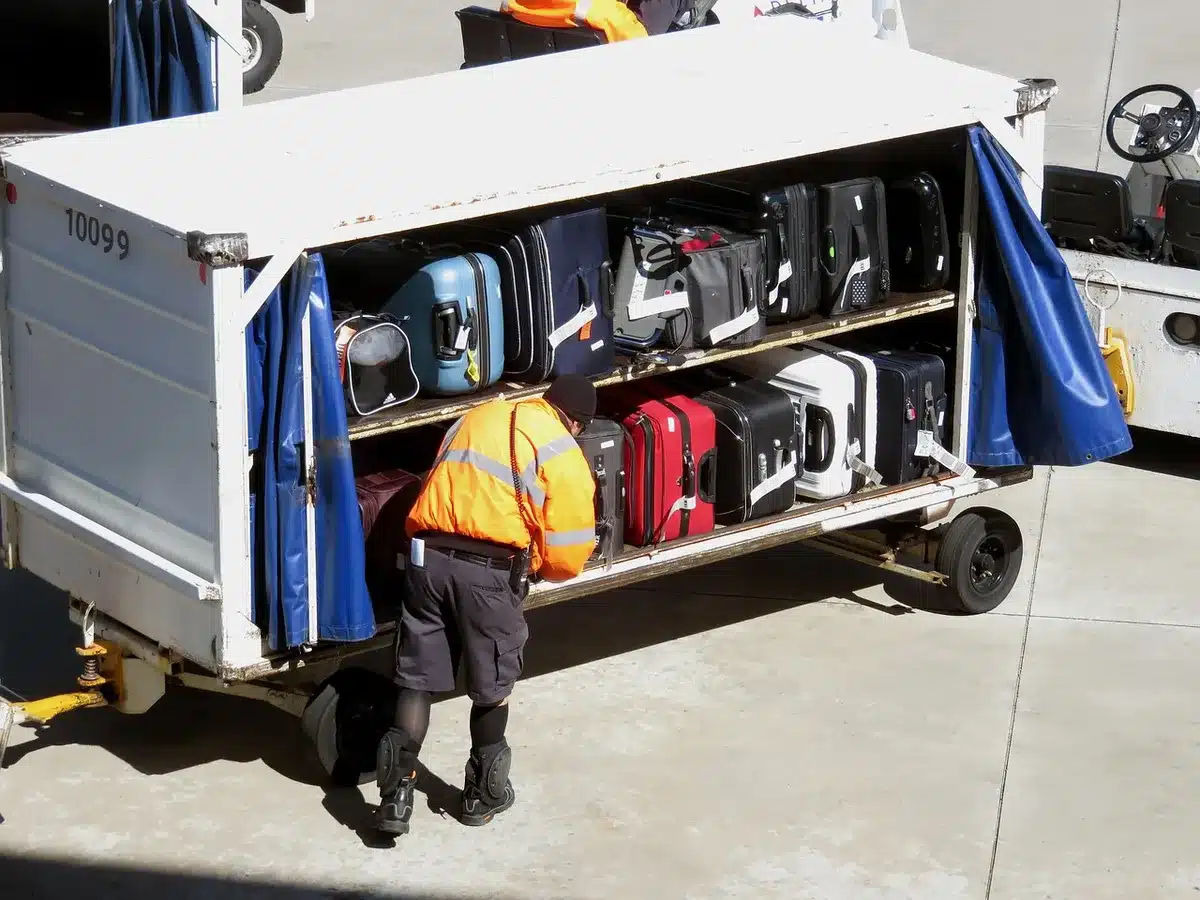
Viral video shows 81-year-old delivery worker struggling with heavy luggage
Why the U.S. Open matters now
Media attention will naturally pivot to the prospect of a career Grand Slam as the U.S. Open approaches. Reporters will ask, pundits will project, and headlines will frame the narrative as destiny or distraction. For Scheffler, however, the target is process-driven: perform on a tough setup and let results follow.
History — and recent form — argue he belongs in that conversation. In the last five U.S. Opens he’s recorded several top-10s, including a runner-up and a third-place showing, which demonstrates his capacity to contend on setups the USGA deliberately turns into the sternest test of par. The one year he underperformed coincided with a notable dip in putting, not a collapse of his ball-striking.
- Mental resilience: Rebounds quickly from setbacks and maintains routine under pressure.
- Tee-to-green consistency: Elite ball-striking keeps him in contention even when the putter cools off.
- U.S. Open pedigree: Multiple recent top-10s show he can handle penal setups.
- Ability to adjust: Has recovered from short-term slumps and produced low scores immediately afterward.
Those traits matter at Shinnecock, where the USGA’s setups often reward discipline and penalize a single loose shot. Scheffler’s profile — methodical, resilient and technically strong off the tee and on approach — maps well to that challenge.
Putting, perception and the Tiger comparison
Putting volatility is the obvious caveat. When his stroke on the greens goes cold, it shows up on the leaderboard. Yet even in those stretches he has produced top finishes, suggesting he can weather a week with the flatstick and still contend because of superior approach play.
Fellow players have noted the combination of elite ball-striking and quiet competitiveness. One fellow champion summed it up: when Scheffler’s short game is acceptable he wins; when it’s exceptional he dominates fields. That assessment captures both the ceiling and the single weakness that could delay a Grand Slam.
All of this points to a simple forecast: Scheffler reaching the U.S. Open’s top step is probable, not merely possible. If he completes the career Grand Slam at Shinnecock next year, the achievement will close quickly on his other majors — a five-season sweep few have matched, and one only a small handful of players have completed in a shorter span.
Whether the end result arrives next month or slightly later, the storyline is clear: Scheffler’s ascent is driven by process, not scoreboard theatrics, and that makes him one of the sport’s truest favorites at the toughest tests.