Show summary Hide summary
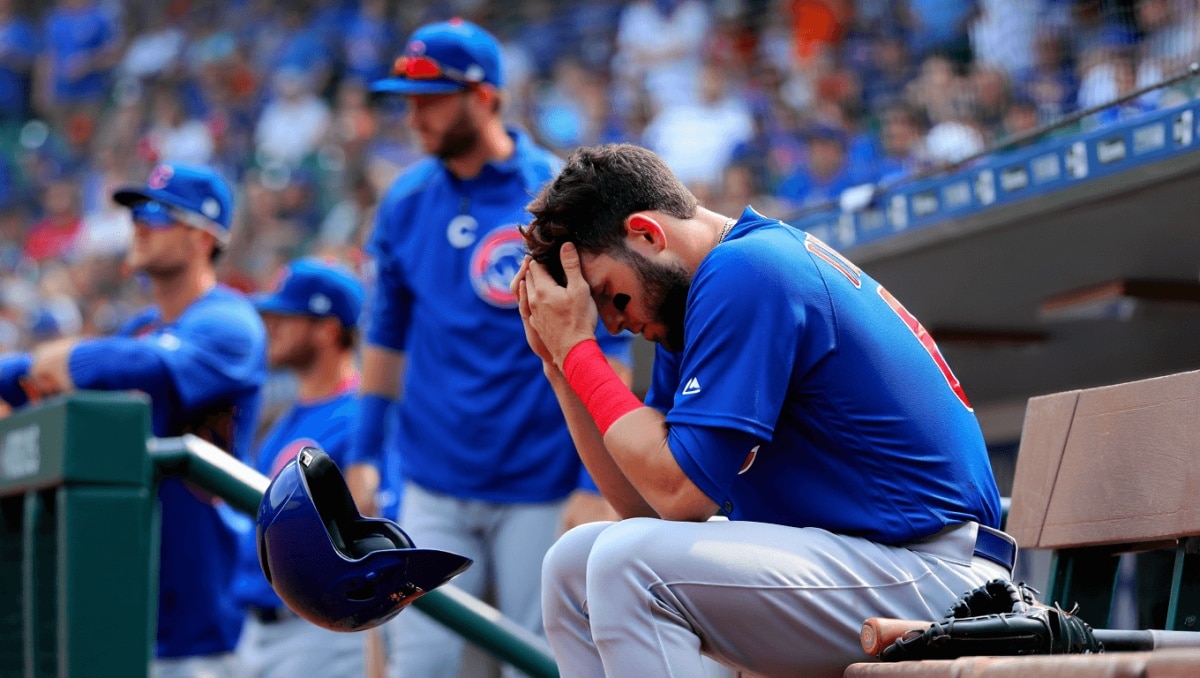
A nine-game skid has flipped the Chicago Cubs’ season narrative: from early division favorites to freshmen in a desperate push for a postseason berth. With injuries eroding their pitching depth and a lineup that has gone ice-cold, what once looked promising now feels precarious — and the next few weeks will determine whether the club can steady the ship.
The standings still show a team above .500 — roughly 54 games into the schedule — but the record masks deeper problems. A rash of injuries has sidelined several rotation options, leaving Chicago short on reliable innings and forcing younger arms into heavier workloads than planned. Without a dependable starting staff, the lineup has been unable to compensate.
Recent results underline the slide: the Cubs are 2–13 over their last 15 games and averaging about 2.8 runs per game in that stretch. They’ve scored three runs or fewer in 12 of those contests, a drought that turns close games into losses.
Michael Page dropped from UFC rankings despite victory: what it means for his career
Viral video shows 81-year-old delivery worker struggling with heavy luggage
How the division shifted
Oddsmakers have trimmed Chicago’s prospects sharply. About two-and-a-half weeks ago the Cubs were viewed as strong contenders for the division; those chances have fallen materially as Milwaukee and St. Louis pulled ahead. The Brewers now hold a multi-game cushion over Chicago, and the entire NL Central sits above .500, leaving little margin for error in head-to-head play.
Injuries are central to the slump. The Cubs are without several planned rotation pieces — including Edward Cabrera, Matthew Boyd, Justin Steele and Cade Horton — and club officials have offered only tentative timelines for returns. That uncertainty places added pressure on a bullpen already taxed by uneven starting performances.
Lineup troubles and implications
Several everyday players who were expected to carry the offense in May and June have posted below‑average months. Slumps from top hitters reduce the team’s ability to string together multi-run innings, and with the pitching depth compromised those offensive holes look more damaging than they would have earlier in the season.
- Rotation: Multiple starters on the injured list; depth arms getting extended work.
- Offense: Scoring slide — averaging fewer than three runs across the recent 15-game stretch.
- Standings: Odds to win the NL Central have contracted; the Brewers have opened a lead.
- Outlook: Trade-deadline conversations shift from upgrading to damage control unless health improves.
Two weeks ago, chatter around the club suggested Chicago might pursue an impact starter at the trade deadline; current form and compressed standings make that kind of addition harder to justify and more costly if the front office still wants to compete. If pitching reinforcements don’t arrive soon — either via returning healthy arms or moves in July — the realistic goal may be a fight for a wild-card slot rather than a division title.
That fight is already shaping up to be uphill. The Brewers have been among baseball’s most consistent teams recently, and the Cubs’ recent statistical profile suggests their record could regress further unless both pitching and hitting return to form. For fans, the immediate questions are straightforward: when do injured starters return, can core hitters shake their slumps, and will the front office act if the margin for error keeps shrinking?
The next three weeks are pivotal. A recovered rotation or a sudden offensive uptick could reverse the slide; if neither materializes, Chicago may find itself trading from the future rather than positioning for October baseball. Meanwhile, the larger narrative in the city’s baseball landscape has grown more complicated as hopes for a run this season face a stiff reality check.